
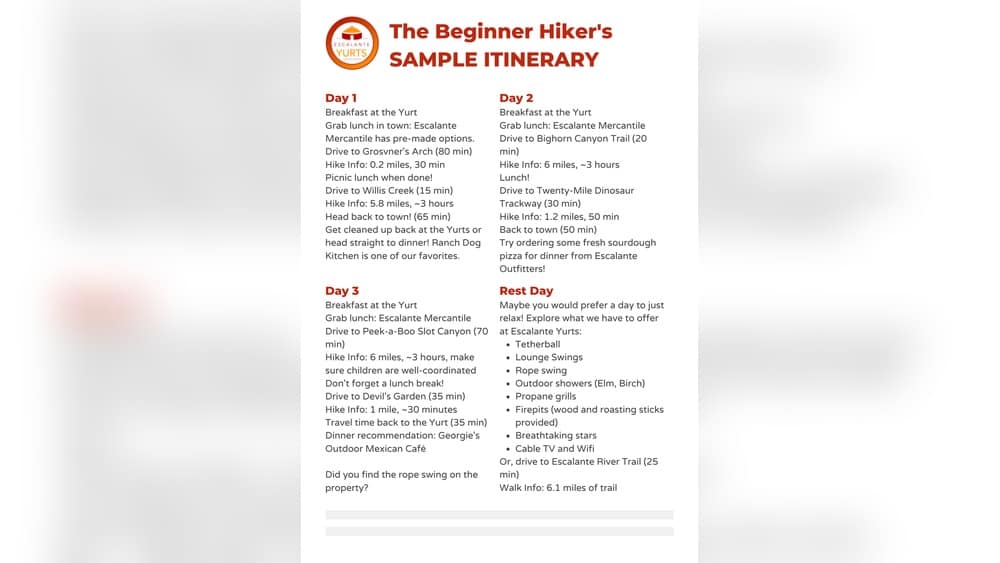

Planning hiking days on your travel itineraries can transform an ordinary trip into an unforgettable adventure. But how do you fit these active, nature-filled days into your schedule without feeling rushed or overwhelmed?
If you’re wondering how to balance hiking with sightseeing, rest, and travel time, you’re in the right place. This article will help you craft the perfect hiking days that keep your energy high and your experience rich. Keep reading, and discover simple strategies to make your next trip both exciting and smooth.

Credit: apassionandapassport.com
Contents
Choosing Hiking Destinations
Choosing the right hiking destination shapes your travel experience. Each trail offers unique views, challenges, and memories. Picking a spot that fits your interests and fitness level makes the hike enjoyable. Consider what excites you about nature and how much time you have. Plan with care to get the most from your hiking day.
Researching Trail Difficulty
Check trail difficulty before you go. Trails vary from easy walks to tough climbs. Knowing the level helps avoid surprises on the path. Many websites and apps show trail ratings and user reviews. Choose a trail that matches your fitness and hiking skills. Safety and fun come from picking the right challenge.
Considering Scenic Highlights
Find trails with beautiful views or special features. Mountains, waterfalls, and forests make hikes memorable. Scenic spots offer great photo chances and peaceful moments. Look for places that match what you want to see. Nature’s beauty adds joy to every step of your hike.
Balancing Distance And Time
Plan trail length to fit your schedule. Long hikes need more energy and daylight. Shorter trails can still offer great views and fun. Think about how much time you want to spend walking. Balance is key to enjoy the hike without rushing or feeling tired.
Aligning Hikes With Travel Plans
Aligning hikes with travel plans makes your trip more enjoyable and smooth. Planning hikes close to your travel route saves time and energy. It helps you see nature without missing key city sights. Proper alignment means less stress and more fun on your journey.
Integrating Hikes Between Cities
Choose hikes located between your travel stops. This keeps your route natural and direct. Avoid long detours that waste travel time. Small hikes near highways or train routes work best. You get fresh air and exercise without changing plans much.
Timing For Weather And Seasons
Check weather forecasts before picking hiking days. Avoid extreme heat or heavy rain for safety. Visit hiking spots in their best season for views and comfort. Early mornings or late afternoons often offer cooler temperatures. Plan hikes during dry, mild weather for a better experience.
Allowing Flexibility In Schedules
Keep your itinerary open for unexpected changes. Some hikes might take longer than expected. Rest days or backup activities help adjust your plans easily. Flexibility reduces stress and improves your overall trip. It lets you enjoy hiking without rushing or pressure.
Packing And Preparation
Packing and preparation are key for a successful hiking day. Proper planning saves time and prevents stress on the trail. Carrying the right items keeps you safe and comfortable. Preparing well makes your hiking experience more fun and less tiring.
Essential Gear For Day Hikes
Choose a comfortable backpack to hold your gear. Wear sturdy hiking shoes to protect your feet. Bring weather-appropriate clothing, like a hat or rain jacket. Pack a first aid kit for small injuries. Carry a flashlight or headlamp in case it gets dark. Don’t forget sunglasses and sunscreen to protect against sun.
Food And Hydration Tips
Bring enough water to stay hydrated all day. Use a reusable water bottle or hydration pack. Pack light, high-energy snacks like nuts, fruit, or granola bars. Eat small amounts often to keep your energy steady. Avoid heavy meals that can slow you down. Plan food based on your hike length and intensity.
Carry a map and compass to find your way. A GPS device or smartphone app can also help. Always tell someone your hiking route and expected return time. Bring a whistle to signal for help if needed. Know basic first aid and emergency procedures. Check weather updates before starting your hike.

Credit: www.etsy.com
Managing Energy And Pace
Planning hiking days requires smart management of your energy and pace. Walking too fast or too far can lead to fatigue. Balancing effort and rest helps you enjoy the trail fully. Proper energy management keeps your body fresh and your mind alert.
Setting Realistic Hiking Goals
Choose goals that match your fitness and experience. Avoid long or steep trails on your first days. Set distances you can comfortably complete. This prevents exhaustion and injury. Smaller goals build confidence and keep motivation high.
Incorporating Rest Periods
Take regular breaks during your hike. Rest every hour or when you feel tired. Sit down, drink water, and eat a light snack. Rest helps muscles recover and lowers stress. Short breaks improve overall endurance and mood.
Adjusting Plans Based On Fitness Levels
Know your limits and adjust your plan accordingly. Slow your pace if you feel tired early. Choose easier trails or shorten distances if needed. Listening to your body avoids burnout. Flexible plans make hiking more enjoyable and safe.
Maximizing Enjoyment And Experience
Planning hiking days carefully can make your trip much more fun and meaningful. Taking time to enjoy the trail, notice small details, and respect the place helps create lasting memories. Simple actions on the path can deepen your connection to nature and local culture.
Engaging With Nature
Stop often to watch wildlife and listen to sounds around you. Take slow steps to feel the earth beneath your boots. Notice the colors of leaves, shapes of rocks, and patterns in the sky. Use all your senses. Smell fresh pine or wildflowers. Touch tree bark or cool water. These moments bring the trail to life.
Capturing Memories
Carry a small camera or use your phone to take pictures. Snap photos of unique plants, scenic views, and your hiking group. Write short notes about how you feel or what you see. Journals help keep memories fresh. Share stories and photos with friends after the hike. These memories will last long after the trip ends.
Local Culture And Trail Etiquette
Learn about the people and history of the area before you go. Respect signs and rules posted on the trail. Stay on marked paths to protect plants and wildlife. Greet fellow hikers with a smile or a nod. Carry out all trash and leave no trace. Showing respect keeps the trail safe and welcoming for everyone.
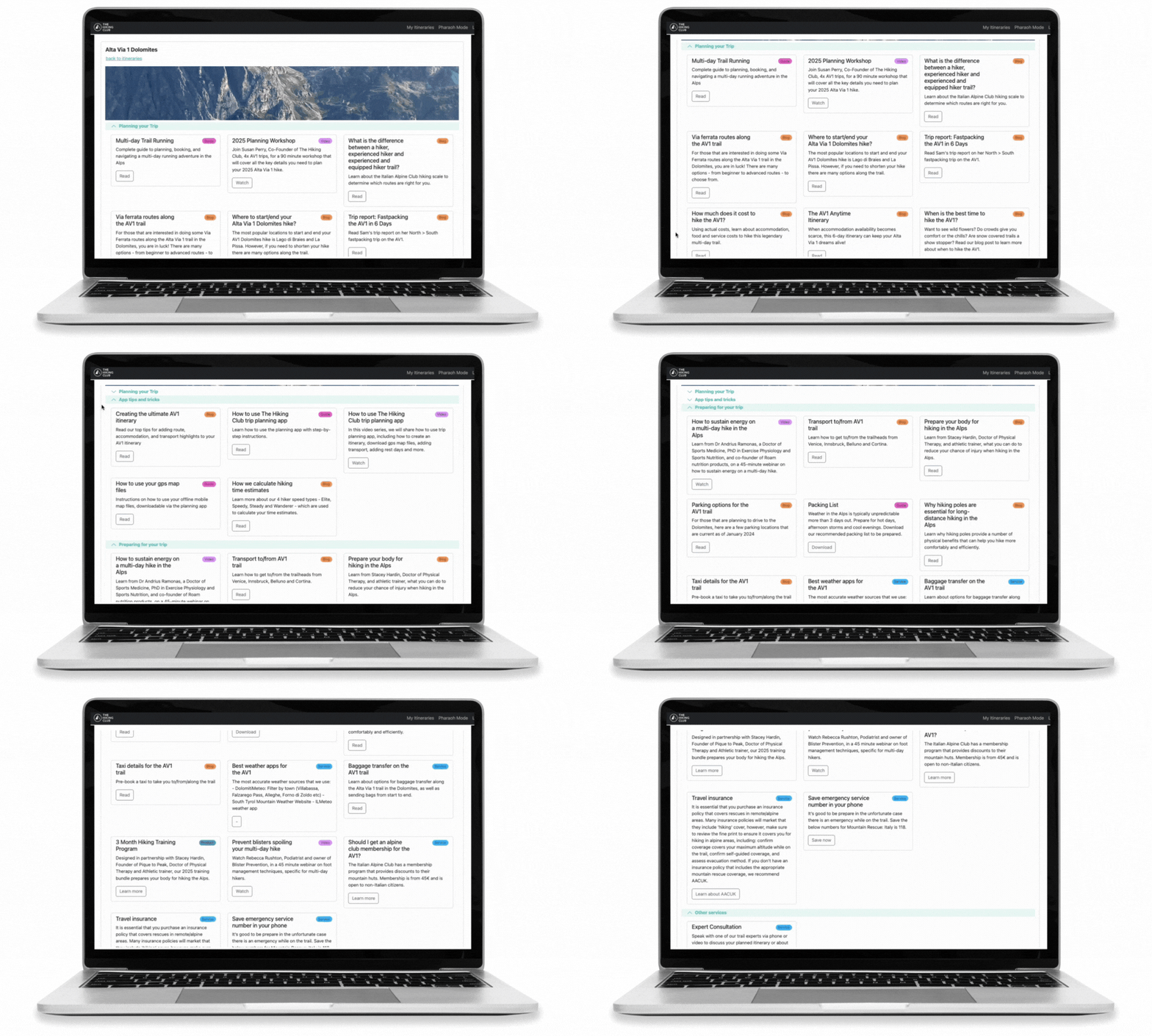
Credit: www.thehiking.club
Frequently Asked Questions
How Many Hiking Days Should I Plan On Trips?
Plan 1 to 3 hiking days depending on trip length and fitness. Balance hiking with rest to avoid fatigue. Consider trail difficulty and weather too.
What Factors Affect Hiking Day Planning?
Trail length, elevation, weather, and fitness level all impact planning. Allow extra time for breaks and sightseeing. Research local conditions before scheduling hikes.
How To Balance Hiking With Other Activities?
Alternate hiking days with cultural tours or relaxation days. This prevents burnout and keeps the trip enjoyable. Prioritize must-see spots alongside hiking routes.
What Gear Should I Pack For Hiking Days?
Pack lightweight, weather-appropriate clothing, sturdy shoes, water, snacks, and navigation tools. Don’t forget sunscreen and first aid. Adjust gear based on trail conditions.
Conclusion
Planning hiking days adds adventure and balance to your travel. It helps you enjoy nature and stay active. Keep your schedule flexible to avoid stress. Choose trails that match your energy and time. Pack light but bring essentials for safety.
Rest well before and after long hikes. This way, hiking becomes a fun and refreshing part of your trip. Happy trails and safe travels!