
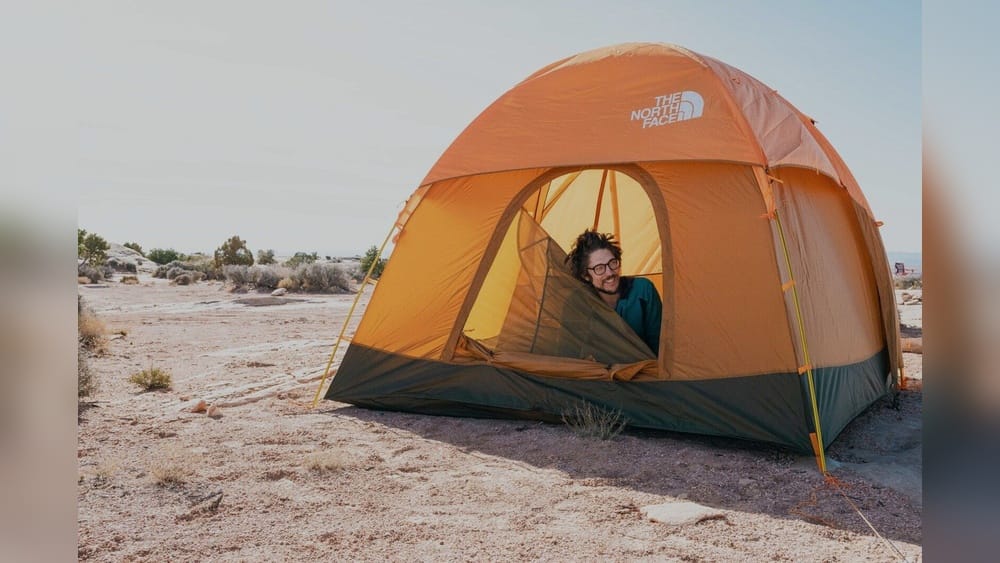

If you’re searching for a camping tent with huge vestibule space, legit room to stand, and real weather protection, the North Face Wawona 6 probably caught your eye. But is it actually the best six-person tent for families and groups? And how does it hold up in rain, wind, and real-world camping?
Drawing from hands-on experience and deep research, this review covers everything you need to know—rainfly coverage, wind resistance, condensation, ease of setup, and more. We’ll dig into the six most important features of the Wawona 6, answer the most common questions, and share some straight talk on whether it’s worth your money.
The Quick Verdict
Is the North Face Wawona 6 worth it? For most campers, yes—especially if you want a tent that feels like a cabin, has a massive porch area for gear and lounging, and can handle family trips or basecamp outings. It’s not ultralight or cheap, but if you want a North Face tent you can stand up in and spread out, the Wawona 6 is one of the best options on the market.
Who is it for? Families, car campers, and groups who value space, comfort, and a versatile front vestibule. It’s less ideal for backpackers or those who camp alone.
Why The Wawona 6? The Unique Appeal
The camping world is crowded with six-person tents, but few combine livability, weather protection, and front porch versatility like the Wawona 6. Here’s what sets it apart:
- Huge vestibule: More like a screened-in porch than a standard vestibule, it’s perfect for storing gear, hanging out, or sheltering from rain.
- Tall ceilings: Most adults can stand upright inside.
- Double-wall design: Better ventilation and moisture control.
- Serious weatherproofing: Handles rain and wind better than many “budget” tents.
Let’s break down its six most important features—and why they matter.
1. North Face Wawona 6 Rainfly Coverage: How Much Protection Do You Really Get?
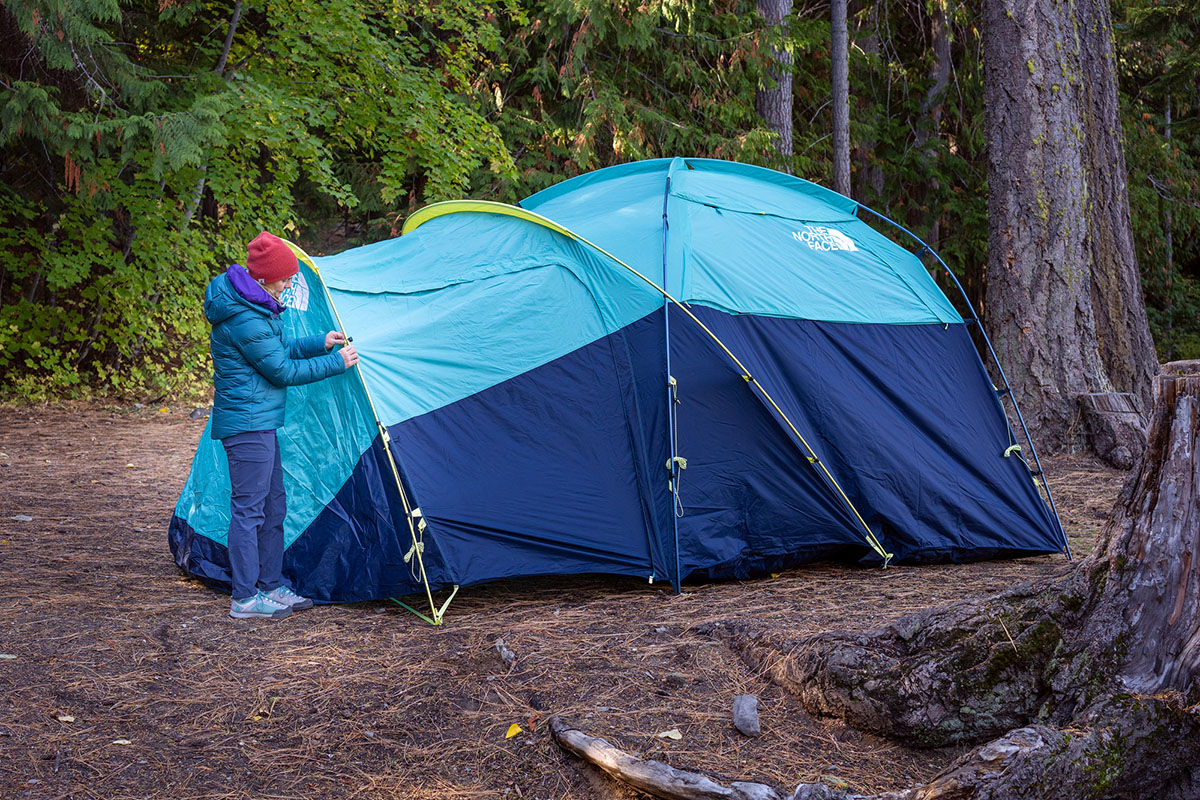
One of the first things seasoned campers look for is rainfly coverage. The Wawona 6 uses a partial-coverage rainfly, which is less common in tents at this price.
What’s Special About The Wawona 6 Rainfly?
The main fly covers the roof and sides, but leaves the lower sections of the tent body (especially the door sides) exposed. This has pros and cons:
- Pro: Massive front vestibule is fully covered, giving you a weatherproof “front porch” for gear, dogs, or chilling out.
- Con: The lower tent walls are exposed, so in sideways rain or puddling, you’ll need to pitch carefully and avoid low spots.
How It Performs In Rain
In normal rain, the Wawona 6 keeps its interior dry—thanks to a solid fly and bathtub-style floor. The vestibule keeps gear out of the weather and acts as a buffer against wind-driven rain.
Real-world tip: If you expect days of heavy rain, pitch with a slight slope and make sure the exposed lower walls aren’t facing the prevailing wind.
How The Rainfly Compares
Here’s a quick comparison of rainfly coverage between the Wawona 6 and other popular tents:
| Tent Model | Rainfly Coverage | Vestibule Size |
|---|---|---|
| North Face Wawona 6 | Partial (roof & sides) | 44.7 sq ft (huge) |
| REI Base Camp 6 | Full | 27.5 sq ft |
| Coleman WeatherMaster 6 | Partial | 9 sq ft |
| Marmot Limestone 6P | Full | 32 sq ft |
Non-obvious Insight
Many campers assume more rainfly = better. But the Wawona’s design uses the vestibule as a weather buffer, letting you keep the main door open for airflow even in light rain—something most full-fly tents can’t do.
2. Stand Tall: The North Face Tent You Can Stand Up In
For families and taller campers, being able to stand inside is a luxury. The north face wawona 6 dimensions are generous:
- Peak height: 80 inches (6’8”)
- Floor space: 86.1 sq ft (11’5” x 8’4”)
- Vestibule: 44.7 sq ft
Why Standing Room Matters
You can actually walk around, change clothes, or set up cots without hunching. This is a game-changer for parents with small kids, or anyone who hates crawling in and out of a tent.
Comparing Interior Space
How Does The Wawona 6 Stack Up For Space?
| Tent Model | Peak Height | Floor Area | Vestibule Area |
|---|---|---|---|
| North Face Wawona 6 | 80 in | 86.1 sq ft | 44.7 sq ft |
| REI Kingdom 6 | 75 in | 83.3 sq ft | 29 sq ft |
| Coleman Sundome 6 | 72 in | 100 sq ft | 10 sq ft |
Real-world Comfort
You can fit two queen air mattresses side by side, with room to spare for bags or a pet bed. The vestibule is big enough for a table and chairs—great for eating outside without leaving the tent.
Non-obvious tip: The vertical walls mean you get usable standing height almost everywhere—not just at the center.
Credit: www.switchbacktravel.com
3. The Iconic Vestibule: A Camping Tent With Huge Porch Space
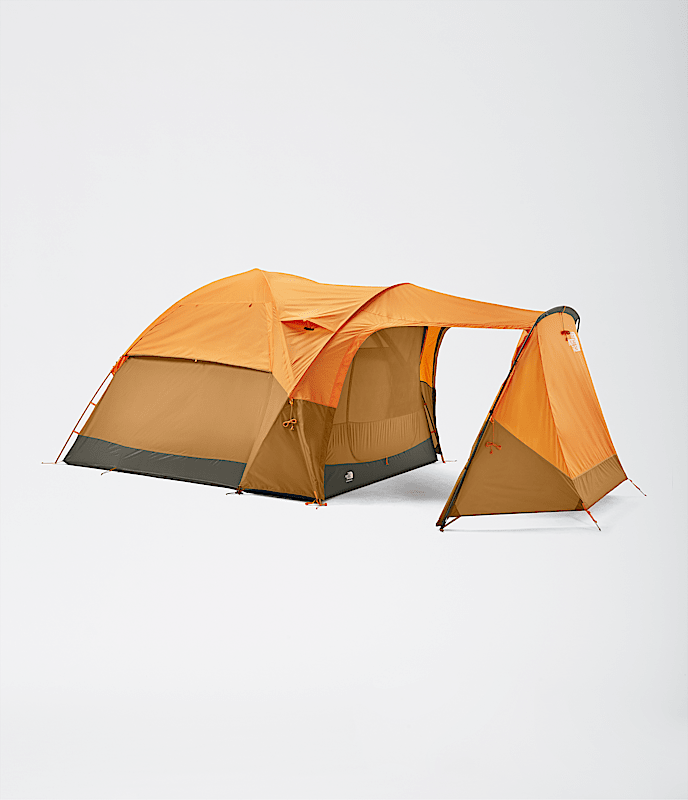
The Wawona 6’s vestibule isn’t just large—it’s legendary. North Face calls it a “front porch,” and that’s not marketing hype.
What Makes This Vestibule Different?
- 44.7 square feet of covered space—more than most rival tents.
- Big enough for bikes, coolers, chairs, and bags.
- Full-height entry (no ducking).
- Removable door panels for airflow or privacy.
How Campers Use It
- Gear storage: Keep muddy boots, packs, and wet gear outside the sleeping area.
- Lounge zone: Set up chairs and enjoy a bug-free coffee or card game.
- Pet space: Dogs love it, and it keeps fur and dirt out of the main tent.
- Weather shield: Keeps the main door dry when entering/exiting in rain.
Design Details
The vestibule is supported by its own pole, giving it real structure. You can roll up the doors for airflow, or zip them down for privacy and protection.
What Most People Miss
Unlike most tent vestibules, the Wawona’s is tall and deep—so you can stand up and move around. It truly feels like an extra room, not just a gear garage.
4. Wawona 6 Wind Resistance: How Does It Handle Storms?
A big tent is great, but what about strong wind? The Wawona 6 wind resistance is better than you might expect for a tent this size.
Construction
- DAC MX aluminum poles: Lightweight but very strong, with a smart hub design.
- Multiple guylines and stake points: Secure the tent at all corners and vestibule.
- Low, aerodynamic profile: Despite tall walls, the rounded shape helps shed wind.
Real-world Performance
In 20–30 mph gusts, the Wawona 6 stays solid if you use all the guylines and stakes. The vestibule’s sloped roof helps deflect wind, and the main body flexes but doesn’t collapse.
Non-obvious tip: Pitch the vestibule facing away from the wind for best performance, since it acts like a sail if pointed into gusts.
Comparison With Other Tents
Most family tents struggle in strong wind, especially budget models. The Wawona’s pole structure and reinforced corners give it an edge.
| Tent Model | Max Wind Resistance | Pole Material |
|---|---|---|
| North Face Wawona 6 | 30+ mph | DAC MX Aluminum |
| REI Base Camp 6 | 35+ mph | Aluminum |
| Coleman Sundome 6 | 20 mph | Fiberglass |
Practical Wind Tips
- Always use all stakes and guylines, even in calm weather.
- If a storm is coming, double-check guyline tension.
- Avoid pitching on hilltops or open fields in windy conditions.

Credit: bettertrail.com
5. North Face Wawona 6 Condensation Problems: Is It A Dealbreaker?
Condensation is a common headache in large tents, especially with lots of people inside. Let’s look at how the Wawona 6 manages it.
Ventilation Design
- Double-wall construction: Separates mesh tent body from rainfly, encouraging airflow.
- Multiple vents: Large roof vents and vestibule doors create cross-breezes.
- Mesh windows and doors: You can leave these open (under the vestibule) for added airflow.
Typical Condensation Issues
Some campers report moisture on the inside of the rainfly after cold nights—normal for any double-wall tent. The Wawona’s mesh roof and large vents reduce this, but with six sleepers, you’ll always have some condensation.
Non-obvious insight: The huge vestibule lets you keep the main door open (but under cover) on all but the nastiest nights. This dumps warm, moist air and makes a big difference.
Managing Condensation
- Open all available vents, even if it’s chilly.
- Avoid storing wet gear inside the sleeping area—use the vestibule.
- Try not to block vents with bags, cots, or sleeping pads.
How It Compares
Single-wall tents trap more moisture. The Wawona 6’s double-wall setup is far superior for reducing drips and wet sleeping bags.
6. Wawona 6 Double Wall Vs Single Wall: Why It Matters
Not all tents are built the same. The Wawona 6 double wall vs single wall design is a big reason for its comfort and weather performance.
What’s The Difference?
- Single-wall tents: One layer (usually waterproof), lighter, but prone to condensation.
- Double-wall tents: Inner mesh body + separate rainfly, heavier but better at managing moisture and insulation.
Pros Of The Wawona 6’s Double-wall Setup
- Superior ventilation: Mesh walls let moist air escape.
- Fewer drips: Condensation forms on the rainfly, not inside.
- Better for variable weather: Remove the fly for stargazing on clear nights.
Cons
- Heavier and bulkier: At 20 lbs 15 oz, it’s not a backpacking tent.
- Slightly more setup time: Two layers to pitch instead of one.
Real-world Experience
In muggy or rainy weather, the double wall is a lifesaver. You can unzip the fly at night for airflow, or batten it down for storms. Most campers find the extra weight and setup time worth it for the comfort.
Pro tip: If you’re moving camp every day, this tent is overkill. But for basecamping or family trips, the double-wall feature is a huge plus.
Credit: www.thenorthface.com
How Easy Is Setup And Breakdown?
For a big tent, the Wawona 6 is surprisingly easy to pitch. Two people can set it up in about 15–20 minutes, thanks to color-coded poles and sleeves. The vestibule attaches last, with its own pole.
Solo setup is possible but takes longer due to the tent’s height and size.
Packing up is straightforward, but getting the tent back into the stuff sack can be tight. Rolling the fly and tent body tightly makes it easier.
Setup Steps At A Glance
- Lay out the tent body and stake the corners.
- Insert main poles (color-coded for clarity).
- Clip tent body to poles.
- Drape the rainfly and secure with buckles.
- Add the vestibule pole and stake out the porch.
- Tighten guylines and adjust for weather.
Non-obvious tip: Practice setup at home before your first trip. This saves stress on the trail and helps you identify missing stakes or broken parts.
North Face Wawona 6 Dimensions And Packed Size
Let’s get specific about the north face wawona 6 dimensions:
- Floor area: 86.1 sq ft (11’5” x 8’4”)
- Peak height: 80 in (6’8”)
- Vestibule area: 44.7 sq ft
- Packed size: 27” x 10” (about the size of a large duffel)
- Weight: 20 lbs 15 oz (tent, fly, poles, stakes)
This is not a tent for backpacking, but for car camping or short carry-ins, it’s very manageable.
How much space do you really get? Most families of four can sleep with gear and still have room to move. Six adults is possible, but cozy.
Durability And Materials
The Wawona 6 is built for years of use:
- Tent body: 75D polyester
- Floor: 150D polyester with 1500 mm waterproof coating
- Rainfly: 75D polyester with 1200 mm waterproofing
- Poles: DAC MX aluminum (industry-leading strength)
Zippers, mesh, and seams are all high quality. After repeated trips, there’s little sagging or stretching. The included stakes are solid, but many campers upgrade to longer ones for soft ground.
Pro tip: Use a footprint or tarp under the tent for extra floor life, especially on rocky or wet ground.
Pros And Cons: The Honest Take
Every tent has trade-offs. Here’s how the Wawona 6 stacks up:
Pros
- Huge, usable vestibule for gear and lounging
- Tall enough to stand in
- Excellent ventilation and moisture control
- Solid wind and rain performance
- Durable materials and poles
Cons
- Partial rainfly coverage means more care in bad storms
- Heavy and bulky for backpacking
- Setup requires practice (especially solo)
- Price is higher than budget tents
Who Should Consider It?
- Families, car campers, groups who want comfort and space
- Campers who value a big vestibule for gear or pets
- Those planning multi-day basecamps
Who Should Skip It?
- Solo campers or backpackers
- Those who camp only in dry, calm weather and want to save money
Real-world Performance: User Experiences
Hundreds of users report back after real trips. Here’s what stands out:
- Weather: Handles rain and moderate wind with confidence. Vestibule keeps muddy shoes and kids dry.
- Space: Most families say it “feels like a cabin” inside, with room for cots, beds, and a play area.
- Ventilation: Mesh panels and big doors mean less stuffiness and fewer condensation problems than most large tents.
- Setup: First time takes longer, but instructions are clear. After two or three tries, it’s easy.
- Durability: Survives rough kids, dogs, and stormy weekends without tears or leaks.
Pro tip: The vestibule is a game-changer in rainy weather—no more fighting over who has to get wet getting out.
How Does It Compare To The Competition?
The Wawona 6 isn’t the only big tent out there, but its combination of space, vestibule, and weather protection puts it near the top. Here’s how it compares to top rivals:
- REI Base Camp 6: More weatherproof, but smaller vestibule and lower ceiling.
- Marmot Limestone 6P: Full-coverage fly and good space, but vestibule isn’t as livable.
- Coleman WeatherMaster 6: Cheaper, but materials are less robust, and vestibule is tiny.
For a deeper look at specs and user reviews, check out The North Face official site.
Two Non-obvious Insights Beginners Miss
- Vestibule usability beats rainfly size: Many focus on rainfly coverage, but a big, functional vestibule is more useful for real-life camping—especially in messy weather.
- Double-wall tents need strategic pitching: Even with good design, where and how you pitch the tent makes a bigger difference than most realize. Always check the site for slope and drainage, and orient the vestibule away from prevailing weather.
Frequently Asked Questions
What Is The Real Capacity Of The North Face Wawona 6? Can Six Adults Sleep Comfortably?
While the Wawona 6 is rated for six people, that’s with sleeping pads side by side and little room for gear. For families or groups with kids, it’s spacious. For six full-grown adults, expect a cozy fit—but the huge vestibule gives you bonus storage and living space.
How Does The North Face Wawona 6 Rainfly Coverage Compare To Full-coverage Models?
The Wawona 6’s partial rainfly covers the roof and vestibule but leaves the lower tent body exposed. In normal rain, it performs well, but in sideways or heavy rain, careful pitching is needed. Full-coverage models provide more protection but often sacrifice vestibule size and airflow.
Is Condensation A Big Problem In The Wawona 6?
Most users report less condensation than with single-wall or smaller tents, thanks to mesh panels and big vents. Still, if you fill it with six sleepers and close all doors, you’ll get some moisture. Open vents and use the vestibule for wet gear to minimize condensation.
How Does The Wawona 6 Handle Strong Winds?
With all guylines staked, it handles winds up to 30 mph well for a family tent. The DAC MX aluminum poles are strong, and the rounded shape helps deflect gusts. Always orient the vestibule away from the wind for best stability.
Is The Wawona 6 Easy To Set Up Alone?
It’s possible but takes practice, especially for shorter users. The height and size mean two people make setup much easier. Color-coded poles and clear instructions help, but solo campers should expect a 25–30 minute setup time.
Final Thoughts: Should You Buy The North Face Wawona 6?
If you want a camping tent with huge vestibule, room to stand, and reliable performance in real weather, the North Face Wawona 6 is an excellent pick. Its standout feature is the massive, livable vestibule—the closest thing to a true front porch in a camping tent. While it’s not the lightest or cheapest, for car campers and families who want comfort and versatility, it’s hard to beat.
Remember: No tent is perfect for every camper, but the Wawona 6’s blend of space, weatherproofing, and thoughtful design make it a top contender for anyone who wants to camp in comfort, rain or shine.