
When you’re out trekking, every ounce counts. Carrying a heavy, bulky tent can slow you down and drain your energy before you even hit the trail.
That’s why choosing the right lightweight tent is key to making your adventure comfortable and hassle-free. Imagine having a shelter that’s easy to pack, quick to set up, and still tough enough to protect you from the elements. The Naturehike Cloud-Up 1 / 2 Ultralight Tent offers exactly that—a perfect balance of weight, durability, and convenience designed with your trekking needs in mind. Keep reading to discover why this tent might just be the game-changer your next trek needs.
Contents
- 1 Introduction To Lightweight Tents For Trekking
- 2 Key Features Of Top Lightweight Trekking Tents
- 2.1 Ultralight Materials: Enhancing Portability Without Compromising Durability
- 2.2 Weather Resistance: Staying Protected In Diverse Conditions
- 2.3 Ease Of Setup: Saving Time And Effort On The Trail
- 2.4 Compact Design: Maximizing Space Efficiency For Backpackers
- 2.5 Ventilation And Comfort: Preventing Condensation And Ensuring Breathability
- 3 Pricing And Affordability Breakdown
- 4 Pros And Cons Based On Real-world Usage
- 5 Specific Recommendations For Ideal Users And Scenarios
- 6 Conclusion: Making The Right Choice For Your Trekking Adventure
- 7 Frequently Asked Questions
- 8 Conclusion
Introduction To Lightweight Tents For Trekking
Trekking demands smart packing. Carrying less weight makes the journey easier and more fun. Lightweight tents help trekkers rest well without burdening them. These tents balance comfort, protection, and portability.
Choosing the right lightweight tent can improve your trekking experience. It saves energy, fits in small backpacks, and sets up quickly. Let’s explore why lightweight gear matters and how lightweight tents work.
Understanding The Importance Of Lightweight Gear In Trekking
Trekking involves long hours of walking on uneven paths. Heavy gear slows you down and causes fatigue. Lightweight gear reduces strain on your body.
- Less weight means more endurance and speed.
- It allows carrying other essentials comfortably.
- Light gear helps prevent injuries from overexertion.
- Easy to pack and handle on rough trails.
Every extra pound counts. A lightweight tent is a key part of your gear. It frees your back and keeps you agile.
Overview Of Lightweight Tents: Purpose And Benefits
Lightweight tents serve as a portable shelter during trekking. They provide safety from weather and insects while being easy to carry.
| Feature | Benefit |
|---|---|
| Lightweight Materials | Reduce overall pack weight without losing strength |
| Compact Size | Fits easily in backpacks, saving space |
| Quick Setup | Allows fast shelter building, even in bad weather |
| Durability | Withstands wind, rain, and rough terrain |
The Naturehike Cloud-Up 1 / 2 Ultralight Tent is a prime example. It weighs very little but offers full protection. Its design suits solo or duo trekkers who need easy transport and reliable shelter.
Key Features Of Top Lightweight Trekking Tents
Choosing a lightweight tent for trekking means balancing weight, durability, and comfort. The best tents offer features that make your outdoor journey easier and safer. These features focus on materials, weather protection, setup speed, space efficiency, and ventilation.
Ultralight Materials: Enhancing Portability Without Compromising Durability
Top trekking tents use ultralight fabrics such as ripstop nylon or polyester. These materials reduce the tent’s weight while maintaining strength. Lightweight aluminum or carbon fiber poles add stability without extra burden.
The Naturehike Cloud-Up 1 / 2 tent, for example, uses lightweight yet durable materials. It weighs just over 2 pounds, making it easy to carry on long hikes.
Weather Resistance: Staying Protected In Diverse Conditions
Good trekking tents resist wind, rain, and sometimes snow. They have waterproof coatings like silicone or polyurethane on the rainfly and floor. Sealed seams prevent leaks during heavy rain.
Strong wind resistance comes from sturdy pole structures and low-profile designs. The Naturehike Cloud-Up tent offers reliable protection with a waterproof rating around 3000mm, enough for most weather.
Ease Of Setup: Saving Time And Effort On The Trail
Quick and simple setup is crucial after a tiring day. The best tents feature color-coded poles and clips for fast assembly. Some models are freestanding and can be pitched on any surface.
The Naturehike Cloud-Up tent uses a single-pole design with a simple clip system. This allows setup in under five minutes, even in the dark or bad weather.
Compact Design: Maximizing Space Efficiency For Backpackers
Backpackers need tents that pack small and fit tight spaces. Lightweight tents often have a minimal footprint and compress into small stuff sacks. This saves room for other gear.
| Feature | Benefit |
|---|---|
| Small packed size | Easier to carry in a backpack |
| Minimal floor space | Fits in tight camping spots |
| Lightweight poles and fabric | Reduces overall weight for long treks |
The Naturehike Cloud-Up compresses to about the size of a water bottle, ideal for backpack storage.
Ventilation And Comfort: Preventing Condensation And Ensuring Breathability
Proper airflow inside a tent reduces condensation. Lightweight trekking tents include mesh panels and adjustable vents. These allow air movement while keeping bugs out.
The Naturehike Cloud-Up tent features mesh walls and a vented rainfly. This design keeps the air fresh and dry, improving sleep quality on the trail.
Pricing And Affordability Breakdown
Choosing the right lightweight tent for trekking depends a lot on price and quality. Trekking tents range from low-cost to premium, each offering different features. Understanding what you get at each price point helps make a smart buy.
Budget-friendly Options: Balancing Cost And Quality
Budget tents usually cost between $30 and $160. These models suit casual hikers or beginners. Expect basic protection and simple design. Some options offer:
- Lightweight materials but less durable
- Minimal features like single doors or no vestibules
- Lower weather resistance
Examples include Walmart tents priced as low as $32.64 to $80. These tents work well for short trips or mild weather.
Mid-range Tents: Features Worth Investing In
Mid-range tents cost between $150 and $350. They balance weight, durability, and features for regular trekkers. Key benefits include:
- Better materials for longer use
- Additional space and ventilation
- Improved weather protection and sturdier poles
Popular tents like the Naturehike Cloud-Up 1/2 Ultralight Tent (~$160) and Durston Gear ($269-$319) fall here. These tents are great for serious hikers wanting reliability without overspending.
Premium Ultralight Tents: When To Splurge For Advanced Technology
Premium tents start around $450 and can exceed $600. They use the lightest, strongest materials. Advantages include:
- Cutting-edge ultralight fabrics and poles
- Exceptional weatherproofing
- Minimal weight for long treks
Examples: REI Nemo Hornet OSMO Tent ($449.95) and Zpacks Plex Solo Tent ($599). These tents suit experienced trekkers or those on multi-day hikes needing top performance.
Comparing Value Across Popular Brands And Models
| Brand/Model | Price Range | Weight | Key Features | Ideal For |
|---|---|---|---|---|
| Walmart Basic Tents | $30 – $80 | ~3-4 lbs | Simple design, limited durability | Beginners, casual hikers |
| Naturehike Cloud-Up 1/2 | $160 | 1.5 – 2.5 lbs | Ultralight, packable, good weatherproofing | Regular trekkers, lightweight seekers |
| Durston Gear | $269 – $319 | ~2 lbs | Durable materials, spacious, robust poles | Serious hikers, multi-day trips |
| REI Nemo Hornet OSMO | $450 | 1.7 lbs | Ultralight, excellent ventilation, advanced fabrics | Experienced hikers, ultralight enthusiasts |
| Zpacks Plex Solo | $599 | < 1 lb | Extreme ultralight, premium materials | Long-distance trekkers, tech lovers |
Price influences weight, durability, and features. Choose based on your trekking style and budget.

Credit: www.amazon.com
Pros And Cons Based On Real-world Usage
The Naturehike Cloud-Up 1 / 2 Ultralight Tent offers a mix of benefits and challenges for trekkers. Real users share insights about its performance on different trails. Understanding these points helps in choosing the right tent for your hiking needs.
Advantages: Lightweight Comfort And Versatility On The Trail
This tent excels in being lightweight, making it easy to carry over long distances. It weighs less than many traditional tents, reducing pack burden.
- Quick setup saves time and energy on the trail.
- Compact size fits well in most backpacks.
- Good ventilation design prevents condensation inside.
- Suitable for one or two persons, offering flexibility.
Its versatility allows use in various trekking environments, from forest paths to mountain campsites.
Common Drawbacks: Durability Concerns And Weather Limitations
Users report that the tent’s lightweight materials can affect durability. Thin fabric and poles may wear faster than heavier models.
- Susceptible to tears if caught on sharp objects.
- Not ideal for heavy rain or strong winds.
- Less stable in extreme weather compared to sturdier tents.
These limitations require careful site selection and gentle handling during setup.
User Feedback Highlights: What Trekkers Appreciate And Critique
| What Trekkers Appreciate | Common Critiques |
|---|---|
| Lightweight design reduces fatigue. | Fabric prone to small tears. |
| Easy and fast to pitch alone. | Less protection in heavy storms. |
| Good ventilation and interior space. | Poles may bend under pressure. |
Maintenance Tips To Extend Tent Longevity
- Always dry the tent completely before storage.
- Use a footprint or groundsheet to protect the floor.
- Repair small tears immediately with patch kits.
- Store poles carefully to avoid bending or breaking.
- Clean the tent gently with mild soap and water only.
Regular care keeps the tent reliable for many trekking trips.
Specific Recommendations For Ideal Users And Scenarios
Selecting the right lightweight tent depends on your trekking style and conditions. Different tents suit solo travelers, couples, harsh weather, and various hike lengths. This section offers clear guidance for ideal users and scenarios.
Best Lightweight Tents For Solo Trekkers
Solo trekkers need tents that are compact and light without sacrificing comfort.
- Naturehike Cloud-Up 1 Ultralight Tent: Weighs under 2 pounds, easy to set up, perfect for one person.
- Compact design saves backpack space.
- Good ventilation to reduce condensation inside.
These tents balance weight and shelter, ideal for fast, solo trips.
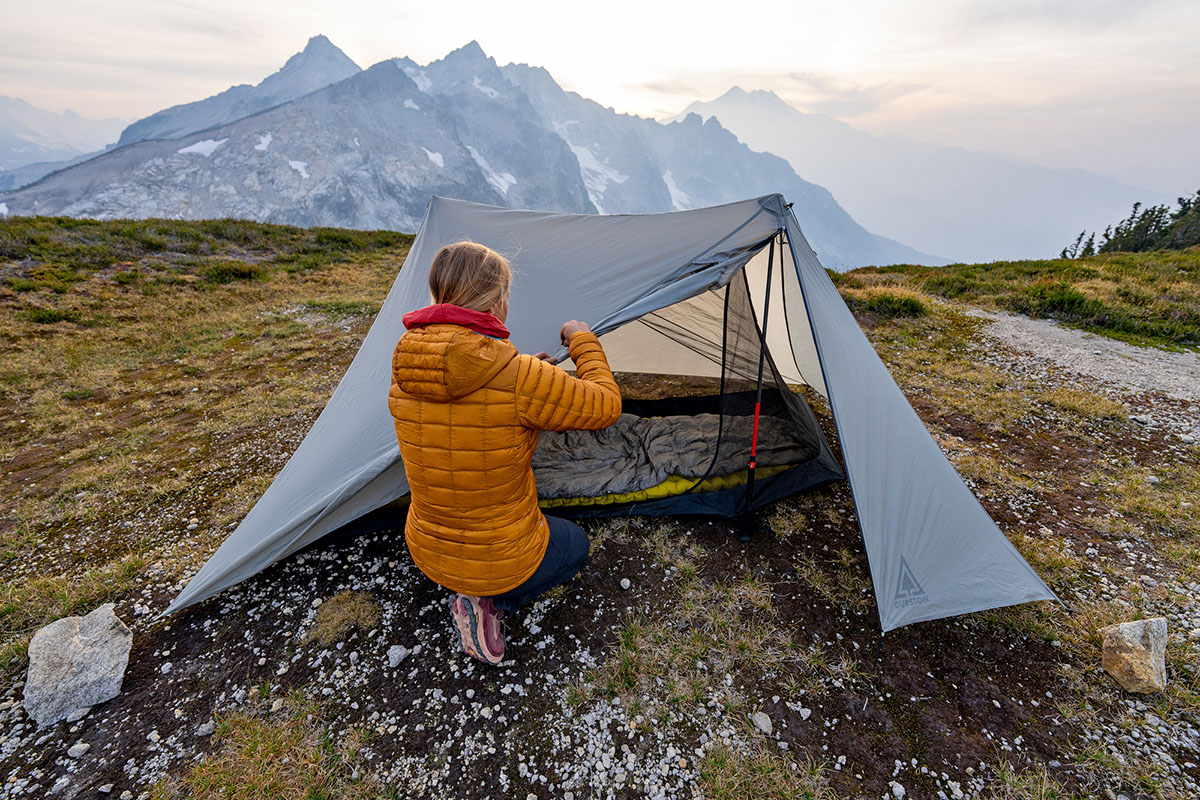
Top Picks For Couples Or Small Groups
Couples or small groups require tents with more space but still lightweight.
| Tent Model | Capacity | Weight | Key Feature |
|---|---|---|---|
| Naturehike Cloud-Up 2 Ultralight Tent | 2 Persons | ~3 lbs | Spacious interior with double vestibules |
| Gossamer Gear The Two | 2 Persons | ~3.5 lbs | Good weather resistance, compact pack size |
These options combine comfort and low weight for pairs or small groups.
Tents Suited For Harsh Weather And High Altitude
Strong wind, rain, and cold require tents built with durable materials and solid frames.
- Look for 4-season tents with full rainfly coverage.
- Strong poles made of aluminum or carbon fiber.
- Good ventilation to prevent moisture build-up.
Examples include Durston Gear tents and REI Nemo Hornet OSMO for alpine conditions.
Choosing The Right Tent For Multi-day Vs. Day Hikes
Day hikes rarely need tents. Multi-day treks require reliable shelter.
- Day Hikes: Carrying a tent is optional; a lightweight tarp may suffice.
- Multi-Day Hikes: Prioritize ultralight tents like Naturehike Cloud-Up for easy packability.
Choose tents that balance weight and weather protection for longer trips.
Considerations For Beginner Vs. Experienced Backpackers
Beginners benefit from tents that are easy to set up and forgiving in design.
- Simple pole structures and clear instructions.
- Stable designs that handle moderate weather well.
Experienced backpackers may prefer ultralight models with more technical features.
- Lightweight fabrics and compact packs.
- Advanced ventilation and modular designs.
Match your skill level to the tent’s complexity and durability.
Credit: www.switchbacktravel.com
Conclusion: Making The Right Choice For Your Trekking Adventure
Choosing the perfect lightweight tent shapes your trekking experience. A tent must balance weight, durability, and comfort. Your adventure depends on this choice. The right tent protects you from weather, fits your pack, and suits your trek style.
Consider the Naturehike Cloud-Up 1 / 2 Ultralight Tent. It blends lightness with strong materials. This tent offers easy setup and good ventilation. Ideal for solo or duo trekkers who value compact gear.
Summarizing Key Factors For Selecting A Lightweight Tent
- Weight: A tent should be light to carry but sturdy enough to last.
- Size and Capacity: Choose based on the number of people and gear you carry.
- Weather Resistance: Look for tents that handle rain, wind, and cold well.
- Ease of Setup: Quick and simple assembly saves energy on the trail.
- Ventilation: Proper airflow reduces condensation inside the tent.
- Packability: The tent should fit comfortably in your backpack.
Final Tips On Matching Tent Features To Personal Trekking Needs
Think about your trekking style before buying. Here are some tips:
- Solo Trekking: A one-person tent like Naturehike Cloud-Up 1 keeps weight minimal.
- Group Trekking: Consider a two-person model for shared space and comfort.
- Season: Use three-season tents for most conditions; four-season tents for snow or extreme cold.
- Terrain: Choose a tent with strong stakes and durable fabric for rocky or windy areas.
- Budget: Balance cost with features and quality to get the best value.
Use a table to compare features quickly:
| Feature | Naturehike Cloud-Up 1/2 | Typical Ultralight Tent |
|---|---|---|
| Weight | About 1.3 kg (2.9 lbs) | 1 – 1.5 kg |
| Setup Time | 5-7 minutes | 5-10 minutes |
| Weather Resistance | Good for rain and wind | Varies by model |
| Capacity | 1 or 2 persons | 1-2 persons |
| Pack Size | Compact, fits in 40L pack | Compact |
Choosing smartly means your tent fits your trek needs exactly. Light, strong, and easy to carry. The right tent makes every trekking step more enjoyable.

Credit: www.amazon.com
Frequently Asked Questions
What Makes A Tent Lightweight For Trekking?
A lightweight trekking tent uses minimal materials without sacrificing durability. It typically weighs under 3 pounds, making it easy to carry during long hikes. These tents often feature compact designs and advanced fabrics like Dyneema or silnylon for strength and weather resistance.
How To Choose The Best Lightweight Trekking Tent?
Consider weight, size, weather resistance, and ease of setup. Also, check ventilation and interior space for comfort. Reading reviews and comparing features helps find a tent that balances lightness with protection and durability for your trekking needs.
Are Lightweight Tents Durable Enough For Harsh Weather?
Yes, many lightweight tents use advanced materials that offer strong weather protection. They can withstand rain, wind, and moderate snow if properly pitched. However, extreme conditions may require heavier, more robust tents designed for mountaineering or winter camping.
Can Lightweight Tents Fit Multiple People Comfortably?
Some lightweight tents are designed for one or two people. While they save weight, space may be limited. For more comfort, choose a slightly larger model but expect additional weight. Always check the tent’s capacity and packed size before buying.
Conclusion
Choosing the right lightweight tent makes trekking more enjoyable and safe. The Naturehike Cloud-Up 1 / 2 Ultralight Tent offers easy setup and strong protection. It keeps your gear dry and fits well in your backpack. Ideal for solo or duo hiking trips. Ready to upgrade your trekking gear? Check out the Naturehike Cloud-Up Ultralight Tent for a reliable and light shelter. Trek smart, travel light, and enjoy every step outdoors.