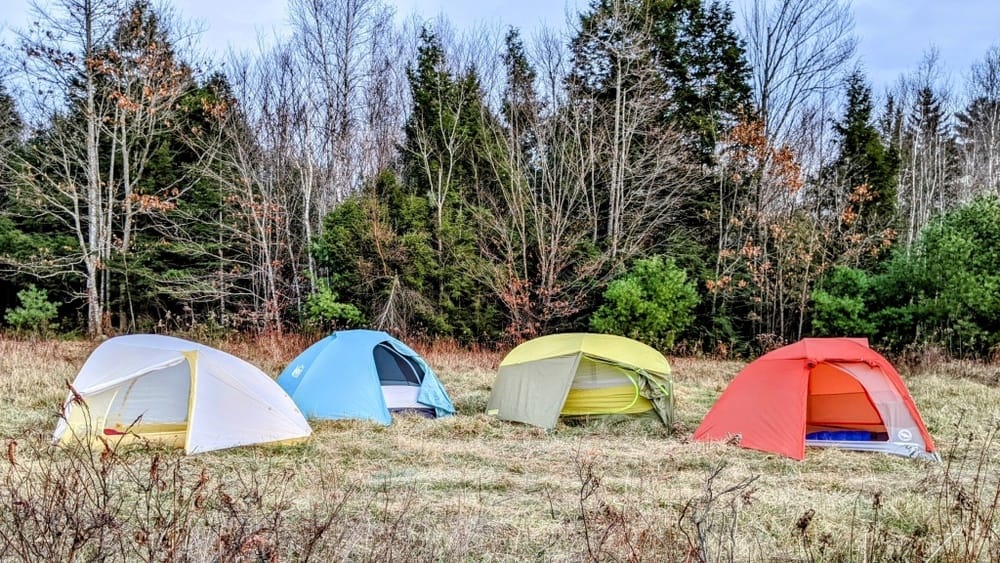

When you’re heading out on a hiking trip, having the right tent can make all the difference. You want something light enough to carry without slowing you down, yet sturdy enough to protect you from wind, rain, or cold nights.
Imagine setting up your shelter quickly after a long day, feeling secure and comfortable inside as you rest for the next adventure. That’s exactly what the right tent offers — peace of mind and convenience, so you can focus on enjoying the trail. If you’re searching for a top choice, the Naturehike Cloud-Up 1 / 2 Ultralight Tent is a standout option. It’s designed with hikers like you in mind, offering an ultralight build without sacrificing durability. Whether you’re hiking solo or with a partner, this tent keeps your gear protected and your pack weight down. Ready to find out why this could be your best hiking companion? Keep reading to discover the features that make it a must-have for your outdoor trips.
Contents
- 1 Introduction To Lightweight Hiking Tents
- 2 Key Features Of The Best Hiking Tents
- 3 Pricing And Affordability Breakdown
- 4 Pros And Cons Based On Real-world Usage
- 5 Specific Recommendations For Ideal Users
- 6 Conclusion: Making The Right Choice For Your Hiking Adventures
- 7 Frequently Asked Questions
- 8 Conclusion
Introduction To Lightweight Hiking Tents
Choosing the right tent is key for any hiking trip. Lightweight hiking tents offer easy carry and quick setup. They provide shelter without adding heavy weight to your backpack. These tents focus on portability, durability, and comfort. The Naturehike Cloud-Up 1 / 2 Ultralight Tent is a great example, designed to be both light and reliable.
Understanding The Purpose Of Hiking Tents
Hiking tents serve as a portable home in the wilderness. They protect hikers from weather, insects, and rough terrain. A good hiking tent balances weight, size, and protection. It must be easy to carry and quick to pitch after a long day on the trail.
- Protection: Keeps out rain, wind, and bugs.
- Comfort: Offers a safe, dry place to rest.
- Portability: Lightweight to reduce backpack load.
- Durability: Withstands harsh outdoor conditions.
Hiking tents come in various sizes, from solo to group models. The Naturehike Cloud-Up series fits one or two people, ideal for solo hikers or pairs.
Why Lightweight Comfort Matters On The Trail
Every ounce counts when hiking long distances. Heavy tents slow you down and cause fatigue. Lightweight tents reduce physical strain and increase hiking speed. Comfort is also crucial. A well-ventilated, spacious tent helps you rest better.
| Benefit | Explanation |
|---|---|
| Ease of Carrying | Lightweight tents add less to your pack weight. |
| Quick Setup | Simple designs save time and energy at camp. |
| Better Rest | Comfortable tents improve sleep quality after hiking. |
| Enhanced Mobility | Less weight means you can hike farther daily. |
The Naturehike Cloud-Up 1 / 2 Ultralight Tent weighs just over two pounds. It is compact and easy to pack. This design meets the needs of hikers wanting to stay light without losing comfort or protection.
Key Features Of The Best Hiking Tents
The best hiking tents combine lightweight design, durability, and comfort. They protect you from weather while staying easy to carry and set up. Every feature matters for a good hiking experience.
Ultralight Materials And Their Benefits
Ultralight tents use advanced fabrics like nylon and polyester with special coatings. These materials reduce tent weight without losing strength.
- Easy to carry: Less weight means less strain on your back.
- Quick drying: Materials resist water and dry fast after rain.
- Strong and tear-resistant: High-quality fabrics protect against wind and sharp branches.
The Naturehike Cloud-Up 1 / 2 Ultralight Tent uses premium ultralight fabrics. It weighs just about 1.4 kg, perfect for fast hikes.
Compact And Easy Setup Designs
Good hiking tents fold into small packs to save space in your backpack. Simple poles and clips help set up the tent fast.
- Compact size fits easily in any hiking bag.
- Color-coded poles and sleeves reduce setup time.
- Lightweight stakes and ropes provide stability.
The Naturehike Cloud-Up tent sets up quickly with a simple pole structure. It fits easily in small packs.
Weather Resistance And Durability
Best tents shield you from rain, wind, and cold. They have strong rainflies, waterproof floors, and sealed seams.
| Feature | Benefit |
|---|---|
| Waterproof rainfly | Keeps rain out and stays dry inside |
| Durable floor material | Prevents water seepage and ground damage |
| Strong frame poles | Resists strong winds and keeps shape |
Naturehike’s tent uses a 3000mm waterproof rating and sturdy poles for reliable weather protection.
Ventilation And Breathability Features
Good airflow stops condensation inside the tent. Mesh panels and vents help with fresh air.
- Mesh windows keep bugs out but allow air in.
- Adjustable vents control airflow depending on weather.
- Reduces moisture buildup for a dry and comfortable inside.
The Naturehike Cloud-Up tent has mesh doors and vents for excellent breathability.
Space Optimization For Comfort And Gear Storage
Efficient use of space improves comfort. Tents should fit sleepers and gear without crowding.
- Vestibules for storing shoes and backpacks.
- Interior pockets to organize small items.
- Roomy enough for one or two people with gear.
The Naturehike Cloud-Up 2 model offers extra space and vestibules for gear storage.
Pricing And Affordability Breakdown
Choosing the best tent for hiking trips depends greatly on your budget. Prices vary widely, from basic tents under $100 to premium ultralight models near $700. Understanding these price ranges helps pick a tent that fits your needs without overspending.
Budget-friendly Options And What To Expect
Tents priced under $150 suit casual hikers and beginners. These models offer essential protection and basic materials. Expect heavier weight and fewer advanced features like superior waterproofing or ultralight fabrics.
- Weight: Usually 3 to 5 pounds
- Material: Standard nylon or polyester
- Setup: Simple, often two-pole designs
- Durability: Moderate; good for occasional use
Examples include Walmart tents around $55 and River Country Products at about $66. These provide solid shelter for short hikes or fair weather.
Mid-range Tents: Balancing Cost And Features
Mid-range tents cost between $150 and $400. These tents balance weight, durability, and features for regular hikers. Expect better waterproof coatings, lighter fabrics, and easier setup.
| Price Range | Weight | Features | Examples |
|---|---|---|---|
| $150 – $400 | 2 to 4 pounds | Improved waterproofing, stronger poles, vestibules | REI tents ($189.95), Six Moon Designs ($260) |
The Naturehike Cloud-Up 1/2 Ultralight Tent fits here. It offers lightweight design and good protection at a reasonable price.
Premium Ultralight Tents And Their Added Value
Premium tents exceed $400 and focus on weight reduction and advanced materials. They suit serious hikers who want minimal pack weight.
- Weight: Often under 2 pounds
- Material: High-end, durable fabrics like Dyneema
- Features: Superior waterproofing, compact packs, strong poles
- Examples: Hyperlite Mountain Gear ($699), NEMO Hornet OSMO ($449.95)
These tents offer excellent comfort and protection but come with a higher cost.
Where To Find Deals And Free Delivery Benefits
Many retailers offer free delivery and discounts to save money. Popular stores include:
- REI: Free delivery on most tents
- Sam’s Club: Discounts up to 35% off on select models
- Walmart: Budget tents with free shipping options
Shopping during sales or using free shipping can lower overall expenses. Always check multiple sources to find the best price and delivery options.

Credit: www.esseg.eu
Pros And Cons Based On Real-world Usage
Choosing the best tent for hiking trips depends on real-world use. Practical experience reveals key advantages and limitations. Understanding these helps hikers pick the right tent. The Naturehike Cloud-Up 1/2 Ultralight Tent offers a great balance for many hikers. Below are insights drawn from actual user feedback and expert reviews.
Advantages Of Lightweight Hiking Tents
Lightweight hiking tents like the Naturehike Cloud-Up provide clear benefits:
- Easy to carry: Weighing under 3 pounds, it reduces pack weight significantly.
- Quick setup: Simple design allows fast pitching, saving time and effort.
- Compact size: Packs down small, freeing space for other gear.
- Durable materials: High-quality nylon and waterproof coatings stand up to weather.
- Good ventilation: Mesh panels reduce condensation inside the tent.
These features make lightweight tents ideal for long hiking days and minimalist backpacking.
Common Drawbacks And How To Mitigate Them
Lightweight tents also have some drawbacks:
| Drawback | Description | Mitigation Tips |
|---|---|---|
| Limited space | Smaller interior can feel cramped for two people or gear. | Choose a 2-person model or use vestibules for gear storage. |
| Less rugged poles | Ultralight poles may be less strong in high winds. | Secure guy lines well and avoid exposed spots. |
| Condensation buildup | Close mesh can trap moisture in cold weather. | Open vents and use a footprint to improve airflow. |
User Reviews And Experience Highlights
Real users praise the Naturehike Cloud-Up tent for its lightweight design and weather resistance. Many highlight:
- Portability: “I barely notice it in my pack on multi-day hikes.”
- Ease of setup: “Took just minutes to pitch after a long day.”
- Weather protection: “Kept me dry during unexpected rainstorms.”
Some users note the tent feels tight with two people and recommend packing light. Overall, it scores well for comfort and durability in hiking conditions.
Specific Recommendations For Ideal Users
Choosing the right tent depends on who you are and the conditions you expect. This section offers clear suggestions for different types of hikers. It helps match tents to solo adventurers, couples, groups, extreme weather, trip length, and terrain.
Best Tents For Solo Hikers
Solo hikers need tents that are lightweight, compact, and easy to set up. The Naturehike Cloud-Up 1 Ultralight Tent is perfect. It weighs just about 1.3 kg and packs small, saving space in your backpack.
- Single person capacity
- Quick setup design
- Good ventilation with mesh panels
- Waterproof and wind-resistant
This tent balances weight and comfort, allowing solo hikers to move fast and stay protected.
Top Picks For Couples Or Small Groups
For two or three people, tents must offer extra room without much added weight. The Naturehike Cloud-Up 2 Ultralight Tent suits small groups well. It provides enough space for sleeping and gear.
| Feature | Benefit |
|---|---|
| 2-person capacity | Comfortable space for couples or friends |
| Ultralight materials | Easy to carry on long hikes |
| Durable fabric | Protection from rain and wind |
| Double doors | Convenient entry and exit |
This model balances space and weight, ideal for pairs or trios exploring trails.
Recommended Models For Extreme Weather Conditions
Extreme weather demands tents built to withstand harsh wind, rain, and cold. Look for strong poles, full coverage rainflies, and secure stakes. The Naturehike Cloud-Up series offers solid protection but may need extra accessories in severe conditions.
- Four-season tents with reinforced frames
- Waterproof fabrics with high hydrostatic head rating
- Low-profile design to reduce wind impact
- Extra guy lines for stability
Pair ultralight tents with quality rain covers and durable stakes for best results in harsh weather.
Choosing Tents Based On Trip Duration And Terrain
Short trips call for lighter tents. Longer trips need durable, roomy shelters for comfort. Terrain affects tent choice too. Rocky ground demands strong poles and good stakes. Forest or grassy areas allow more flexibility.
- Short hikes (1-3 days): Ultralight tents like Naturehike Cloud-Up 1 or 2
- Longer trips (4+ days): Larger tents with better durability and storage
- Rocky or uneven terrain: Tents with sturdy poles and reliable stake systems
- Forest or soft ground: Tents that prioritize ventilation and space
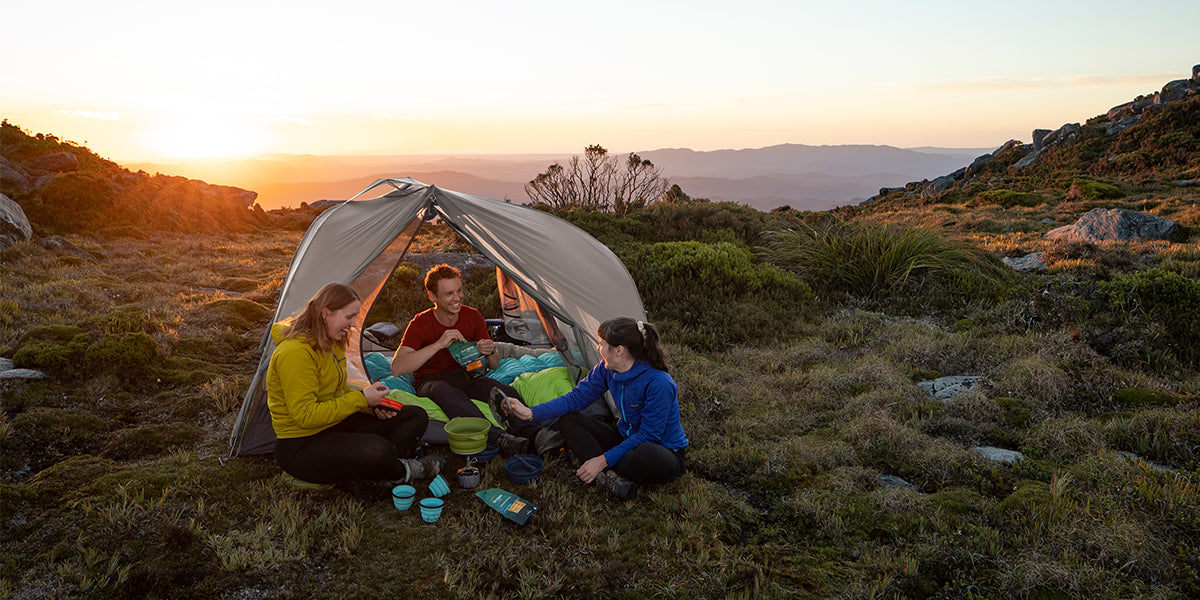
Matching tent features to trip length and terrain improves comfort and safety outdoors.
Credit: crescentpearls.com
Conclusion: Making The Right Choice For Your Hiking Adventures
Choosing the best tent for hiking trips shapes your outdoor experience. A tent must balance lightweight design, comfort, and durability. The Naturehike Cloud-Up 1 / 2 Ultralight Tent meets these needs well. It offers a great mix of weight savings and weather protection.
Summarizing Key Considerations
- Weight: Carry less to hike farther and faster.
- Size & Capacity: Choose a tent that fits your group and gear.
- Weather Resistance: Ensure strong protection against rain and wind.
- Setup Ease: Quick and simple setup saves energy and time.
- Ventilation: Good airflow prevents condensation inside the tent.
- Durability: Strong materials last through many trips.
Tips For Maintaining And Caring For Your Tent
- Clean the tent: Shake out dirt and wipe down after use.
- Dry completely: Avoid mold by drying before packing away.
- Store properly: Keep in a cool, dry place, loosely packed.
- Check seams and zippers: Repair minor tears or broken zippers quickly.
- Use a footprint: Protect the tent floor from abrasion and moisture.
Final Thoughts On Lightweight Comfort And Performance
The Naturehike Cloud-Up Ultralight Tent shines in combining low weight and solid protection. Its compact size fits well in backpacks. You gain comfort without heavy bulk.
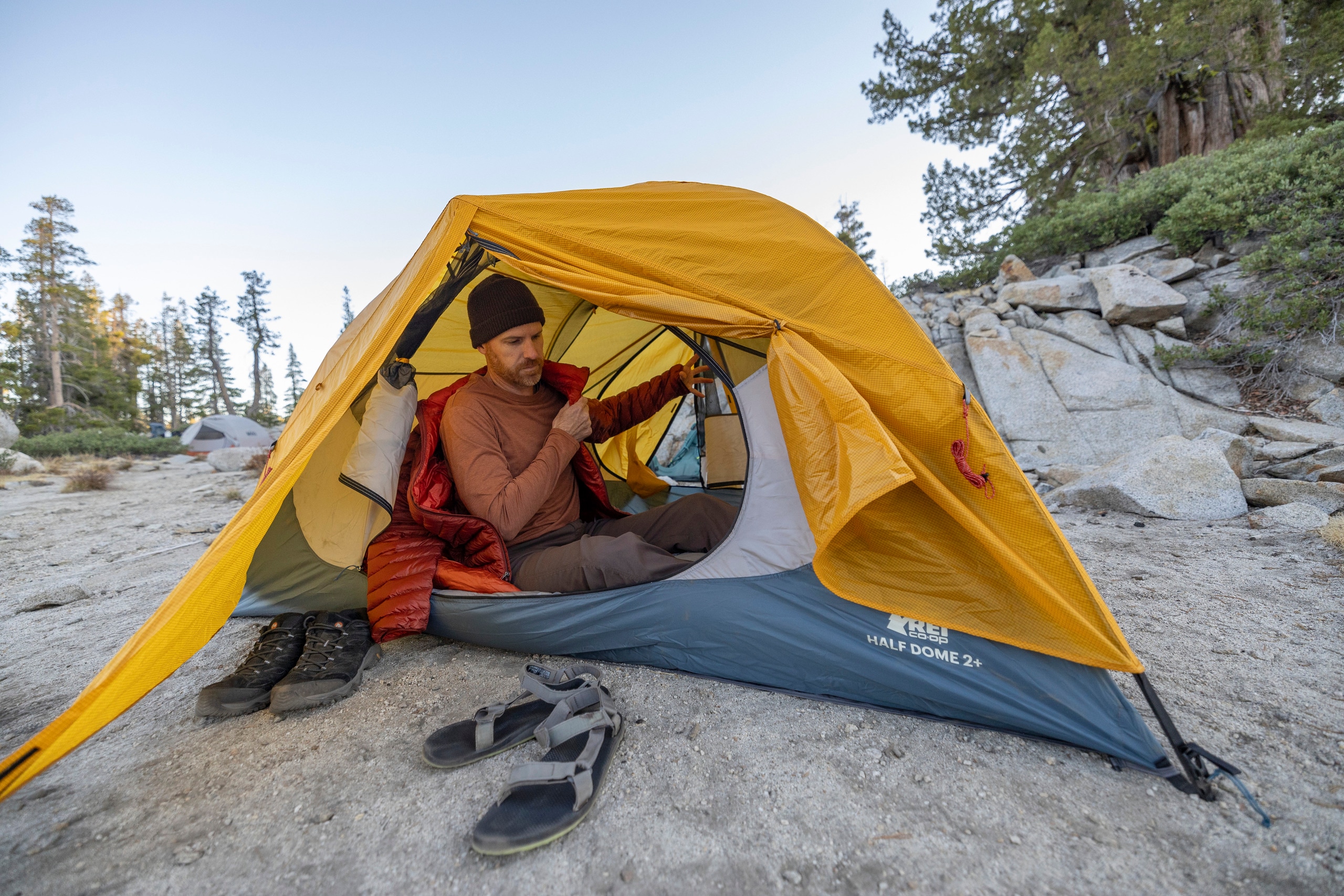
Good tents improve your hiking by offering restful nights and easy setups. Choose one that supports your style and conditions. Prioritize comfort and performance to enjoy every mile outdoors.
Credit: www.rei.com
Frequently Asked Questions
What Is The Best Tent Type For Hiking Trips?
The best hiking tent is lightweight, durable, and easy to set up. Look for three-season tents that balance weight and weather protection. Ultralight backpacking tents are ideal for long hikes.
How To Choose A Hiking Tent By Weight?
Choose a tent that weighs less than 4 pounds for easy carrying. Ultralight tents reduce fatigue and improve mobility on long hikes. Always consider the tent’s packed weight.
What Size Tent Is Ideal For Hiking?
A one or two-person tent is ideal for hiking trips. Smaller tents are lighter and easier to carry. Choose based on the number of hikers and gear storage needs.
Are Waterproof Hiking Tents Necessary?
Yes, waterproof tents protect you from rain and moisture. Look for tents with a rainfly and sealed seams. Waterproof tents ensure a dry, comfortable shelter during wet conditions.
Conclusion
Choosing the right tent makes hiking trips safer and more enjoyable. The Naturehike Cloud-Up 1 / 2 Ultralight Tent offers a perfect mix of light weight and durability. Its easy setup and compact design suit all hikers well. For those wanting a reliable shelter, this tent stands out. Check it out here: Naturehike Cloud-Up 1 / 2 Ultralight Tent. A good tent helps you rest better and explore more. Prepare smartly and enjoy every hiking adventure fully.