
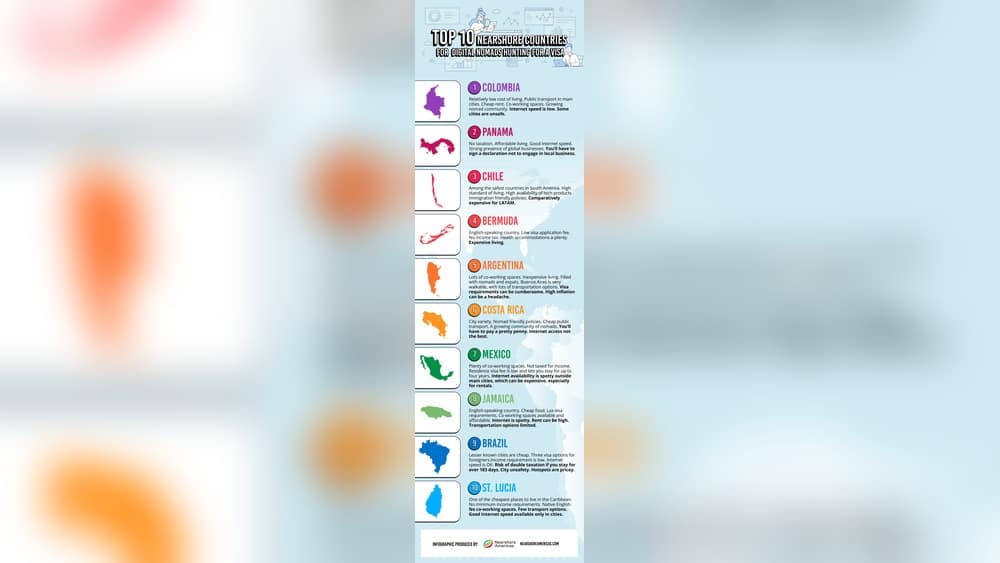

The world has become smaller for people who work online. With a laptop and an internet connection, many professionals now live and work from anywhere. This lifestyle, known as being a digital nomad, is more than just a trend—it’s a new way to experience the world. But not every country suits remote workers. Some places offer fast internet, friendly visa policies, affordable living costs, and lively communities. Others might have hidden challenges like strict laws, poor connectivity, or high prices.
Choosing the right country can change your whole experience. You might enjoy a beautiful beach but struggle with slow Wi-Fi. Or you could find a city with great tech support but feel lonely. This guide looks at the best countries for digital nomads.
We’ll share real data, practical tips, and non-obvious insights to help you make a smart choice. Whether you prefer city life or quiet nature, there’s a place that fits your style and budget.
Contents
- 1 What Makes A Country Great For Digital Nomads?
- 2 Top Countries For Digital Nomads
- 3 Data Comparison: Cost Of Living And Internet Speeds
- 4 Digital Nomad Visas: What You Need To Know
- 5 Quality Of Life: Beyond Work
- 6 Community: Meeting Other Digital Nomads
- 7 Safety And Health Care
- 8 Common Mistakes When Choosing A Country
- 9 How To Prepare For Digital Nomad Life
- 10 Tax And Legal Considerations
- 11 Best Cities For Digital Nomads
- 12 How To Find Accommodation
- 13 Practical Tools For Digital Nomads
- 14 Hidden Challenges And Solutions
- 15 Making Friends And Staying Connected
- 16 Sustainability And Responsible Travel
- 17 Where To Start: First Steps For Beginners
- 18 Frequently Asked Questions
What Makes A Country Great For Digital Nomads?
Before looking at top destinations, it’s important to know what really matters for remote workers. The best countries for digital nomads share some key traits:
- Reliable internet: Fast, stable Wi-Fi in homes, cafes, and coworking spaces is crucial. Speeds of at least 30 Mbps are usually enough for most work.
- Affordable cost of living: Rent, food, transport, and leisure should fit your budget. Many nomads aim for places where $1,000–$2,000 per month covers basic needs.
- Easy visa policies: Short-term and long-term visas, or special digital nomad visas, make it easy to stay legally.
- Safety and health care: Low crime rates and good medical facilities keep you secure.
- Community and networking: Meeting other nomads or locals helps you feel connected and share ideas.
- Quality of life: Enjoying weather, nature, culture, and entertainment adds to your experience.
Some countries offer extra perks, like tax breaks or special events for remote workers. But not every digital nomad wants the same thing. Some prefer adventure; others want stability. The best choice depends on your goals.
Top Countries For Digital Nomads
Let’s dive into the best places for remote workers, with details on what makes each stand out.
1. Portugal
Portugal has become a favorite for digital nomads, especially in cities like Lisbon and Porto. The country offers a relaxed lifestyle, strong internet, and friendly locals. Portugal’s digital nomad visa lets you stay for up to one year, with options to extend.
- Average monthly living cost: $1,500–$2,000
- Internet speed: 70–100 Mbps in urban areas
- Popular cities: Lisbon, Porto, Lagos
- Community: Regular meetups, coworking spaces, expat groups
Portugal is also one of the safest countries in Europe, with low crime rates. The climate is mild, and there are beautiful beaches and historical sites. One insight: smaller towns like Lagos offer lower prices and quieter environments, but still have good Wi-Fi and coworking spots.
2. Thailand
Thailand is famous for its mix of modern cities and tropical islands. Chiang Mai is especially popular among digital nomads. The country is affordable, with street food, cheap apartments, and fast internet.
- Average monthly living cost: $800–$1,500
- Internet speed: 50–70 Mbps in cities
- Popular cities: Chiang Mai, Bangkok, Phuket, Koh Lanta
- Visa: Tourist visas up to 60 days; special options for longer stays
Thailand’s culture is welcoming, and there are plenty of networking events. For those who want a beach lifestyle, islands like Koh Samui or Phuket offer coworking hubs. Non-obvious tip: Many nomads use “border runs” to renew visas, but rules change often. Always check the latest requirements.
3. Estonia
Estonia is a leader in digital innovation. The country was the first to launch a digital nomad visa, allowing remote workers to stay for up to a year.
- Average monthly living cost: $1,200–$1,700
- Internet speed: 60–90 Mbps
- Popular city: Tallinn
- Community: Startup culture, tech events
Estonia is small but very modern. You can register a business online, and many services are digital. One insight: winters are cold and dark, so bring warm clothes and plan for indoor activities.
4. Mexico
Mexico offers vibrant cities, stunning beaches, and a low cost of living. Mexico City, Playa del Carmen, and Tulum are popular with digital nomads.
- Average monthly living cost: $1,000–$1,600
- Internet speed: 30–70 Mbps (varies by area)
- Visa: Tourist visa up to 180 days
Mexico has a lively culture and many coworking spaces. English is widely spoken in tourist areas. Practical tip: Mexico’s visa is generous, but avoid overstaying—rules are enforced strictly.
5. Georgia
Georgia is a hidden gem for remote workers. The country offers a visa-free regime for many nationalities, letting you stay for up to one year.
- Average monthly living cost: $700–$1,200
- Internet speed: 30–50 Mbps
- Popular city: Tbilisi
- Tax benefits: 1% tax for freelancers under certain programs
Georgia’s capital, Tbilisi, has a growing digital nomad community and friendly locals. Food and housing are affordable. Non-obvious insight: Georgia’s healthcare system is good, but not all clinics have English-speaking staff, so plan ahead.
6. Spain
Spain’s mix of history, culture, and modern cities makes it attractive for remote workers. Cities like Barcelona, Madrid, and Valencia are favorites.
- Average monthly living cost: $1,500–$2,200
- Internet speed: 100+ Mbps in urban areas
- Visa: Tourist visa up to 90 days; digital nomad visa available
Spain has a strong coworking culture and many events. The weather is pleasant, especially in the south. Tip: Spain’s siesta tradition means shops and cafes might close in the afternoon, so plan your work hours.
7. Indonesia (bali)
Bali in Indonesia is a hotspot for digital nomads. The island offers beautiful nature, affordable living, and many coworking spaces.
- Average monthly living cost: $900–$1,400
- Internet speed: 30–70 Mbps in main areas
- Visa: Tourist visa up to 60 days; longer options available
Bali’s nomad scene is centered in Canggu and Ubud. The culture is relaxed, with yoga and wellness activities. Non-obvious tip: Bali’s internet can be unreliable in rural areas—choose your location carefully.
8. Germany
Germany is known for its efficiency and strong infrastructure. Berlin is a popular city for remote workers, with many startups and creative spaces.
- Average monthly living cost: $1,700–$2,500
- Internet speed: 50–100 Mbps
- Visa: Freelance visa for up to three years
Germany’s healthcare and transport are excellent. English is common in big cities. Practical insight: Applying for the freelance visa can take time—prepare documents and start early.
9. Colombia
Colombia has become safer and more attractive for remote workers. Medellín is famous for its pleasant climate and growing digital nomad community.
- Average monthly living cost: $900–$1,400
- Internet speed: 30–60 Mbps
- Visa: Tourist visa up to 90 days; extensions possible
Medellín offers modern apartments, friendly locals, and coworking spaces. Non-obvious tip: Some areas have power cuts during rainy seasons, so check your apartment’s backup options.
10. Croatia
Croatia is known for its coastline and historic cities. The country now offers a digital nomad visa for stays up to one year.
- Average monthly living cost: $1,200–$1,800
- Internet speed: 40–80 Mbps
- Popular cities: Zagreb, Split, Dubrovnik
Croatia’s visa is easy to apply for, and the country is safe. English is widely spoken in tourist spots. Practical tip: The best internet is found in cities, not remote islands.
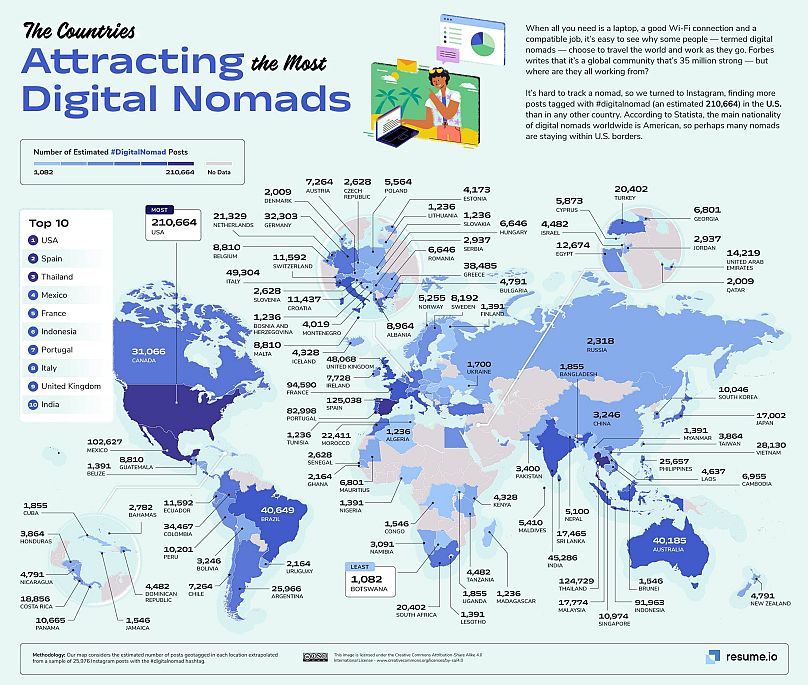
Credit: www.euronews.com
Data Comparison: Cost Of Living And Internet Speeds
Here’s a quick look at how top countries compare in price and connectivity:
| Country | Average Monthly Cost | Internet Speed (Mbps) | Visa Length |
|---|---|---|---|
| Portugal | $1,500–$2,000 | 70–100 | Up to 1 year |
| Thailand | $800–$1,500 | 50–70 | Up to 60 days |
| Estonia | $1,200–$1,700 | 60–90 | Up to 1 year |
| Mexico | $1,000–$1,600 | 30–70 | Up to 180 days |
| Georgia | $700–$1,200 | 30–50 | Up to 1 year |
| Spain | $1,500–$2,200 | 100+ | Up to 90 days |
| Indonesia (Bali) | $900–$1,400 | 30–70 | Up to 60 days |
| Germany | $1,700–$2,500 | 50–100 | Up to 3 years |
| Colombia | $900–$1,400 | 30–60 | Up to 90 days |
| Croatia | $1,200–$1,800 | 40–80 | Up to 1 year |
Digital Nomad Visas: What You Need To Know
Many countries now offer digital nomad visas. These make it legal to work remotely for foreign companies while living abroad. They usually require:
- Proof of income (often $2,000–$3,000 per month)
- Health insurance
- Criminal background check
Some countries, like Portugal and Croatia, make the process easy. Others, such as Germany, ask for business plans or contracts. One common mistake: not reading the fine print. Some visas don’t allow you to work for local companies, only for foreign clients.
Visa Comparison Table
Here’s a look at digital nomad visa requirements in popular countries:
| Country | Income Requirement | Health Insurance | Application Time |
|---|---|---|---|
| Portugal | $3,000/month | Yes | 4–8 weeks |
| Estonia | $3,700/month | Yes | 2–6 weeks |
| Croatia | $2,600/month | Yes | 3–5 weeks |
| Georgia | $2,000/month | Recommended | 1–3 weeks |
| Germany | $3,000/month | Yes | 6–12 weeks |
Quality Of Life: Beyond Work
Living as a digital nomad isn’t just about work. The best countries offer more:
- Weather: Warm climates are popular, but some nomads prefer cooler places.
- Nature: Beaches, mountains, parks, and hiking trails add to your experience.
- Culture: Festivals, museums, and local traditions make life interesting.
- Food: Local cuisine, street food, and international options are important.
For example, Thailand’s street food is famous and cheap, while Spain offers tapas and lively markets. Portugal and Croatia have beautiful coastlines. Germany and Estonia have rich histories and modern amenities.
Non-obvious Insights
- Seasonal changes matter: Some places are crowded or expensive during tourist seasons. For example, Bali’s high season (July–August) raises prices and fills coworking spaces. Consider visiting during quieter months.
- Local laws and taxes: Some countries require you to register with local authorities. Others might tax your foreign income. Always check rules before you arrive.
Community: Meeting Other Digital Nomads
Working remotely can feel lonely. The best countries for digital nomads have active communities:
- Coworking spaces: Places to work, meet, and network.
- Meetups and events: Regular gatherings for tech, business, or socializing.
- Online groups: Facebook, Slack, or WhatsApp groups for tips and support.
Some cities, like Chiang Mai and Lisbon, have dozens of coworking spaces. Others, like Tbilisi or Medellín, offer smaller but growing communities. One practical tip: Join online groups before you arrive to make connections and find housing.
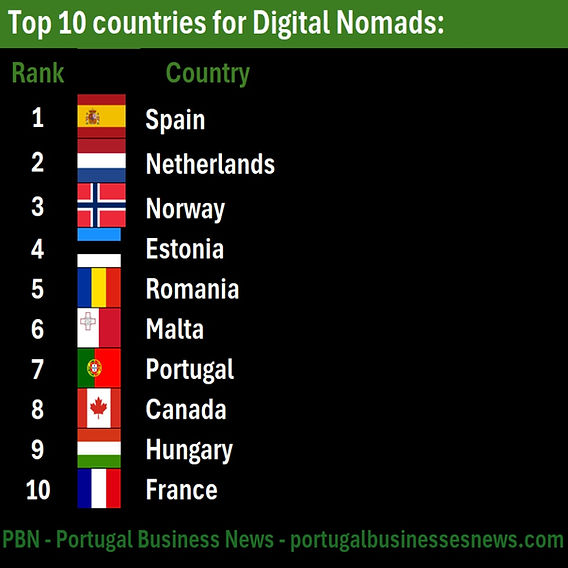
Credit: www.portugalbusinessesnews.com
Safety And Health Care
Safety is a top concern. Most nomad-friendly countries are safe, but it’s good to check crime rates and health services.
- Portugal, Estonia, and Croatia are very safe.
- Thailand, Mexico, and Colombia have some areas with higher crime—stick to popular cities and neighborhoods.
- Health care varies. Germany and Spain have excellent hospitals; Georgia and Indonesia offer good clinics but may lack English-speaking doctors.
Health Care Comparison Table
| Country | Health Care Quality | English Spoken | Emergency Services |
|---|---|---|---|
| Portugal | Excellent | Yes | Fast |
| Thailand | Good | Some | Reliable |
| Estonia | Excellent | Yes | Fast |
| Mexico | Good | Some | Varies |
| Georgia | Good | Few | Reliable |
| Spain | Excellent | Yes | Fast |
| Indonesia (Bali) | Good | Some | Varies |
| Germany | Excellent | Yes | Fast |
| Colombia | Good | Few | Reliable |
| Croatia | Excellent | Yes | Fast |
Common Mistakes When Choosing A Country
Many beginners make mistakes when moving abroad:
- Ignoring visa rules: Visa policies change often. Always check the latest requirements.
- Underestimating costs: Prices can rise in tourist areas. Plan for extra expenses.
- Choosing rural areas without checking connectivity: Some beautiful spots have poor internet.
- Not considering local culture: Language barriers or customs can affect your experience.
A smart approach is to visit for a few weeks first. Test internet speeds, meet locals, and see if you enjoy the lifestyle.
How To Prepare For Digital Nomad Life
Getting ready for remote work abroad takes more than packing a bag. Here are practical steps:
- Research visa options and apply early.
- Book short-term housing before arrival.
- Test your devices (laptop, phone, backup power).
- Buy international health insurance.
- Join online groups for tips and networking.
- Learn basic phrases in the local language.
One extra tip: Bring a portable Wi-Fi hotspot. It can save you during power cuts or slow connections.
Tax And Legal Considerations
Working abroad can affect your taxes and legal status. Some countries offer tax breaks to digital nomads, but others may tax your income. Always:
- Check if you need to register as a resident or business.
- Ask a tax advisor about your home country’s rules.
- Keep records of income and expenses.
For example, Georgia’s Individual Entrepreneur program lets freelancers pay only 1% tax. Estonia offers e-residency for starting a business. Germany’s freelance visa requires you to pay local taxes.
Best Cities For Digital Nomads
Some cities stand out for remote workers. Here are a few favorites:
- Lisbon (Portugal): Sunny, lively, and full of coworking spaces.
- Chiang Mai (Thailand): Cheap living, strong community.
- Tallinn (Estonia): Modern, tech-savvy, easy visa.
- Mexico City (Mexico): Culture, food, and many expats.
- Tbilisi (Georgia): Affordable, friendly, new nomad scene.
- Barcelona (Spain): Beaches, art, and fast internet.
- Canggu (Bali): Surf, yoga, and coworking hubs.
- Berlin (Germany): Creative, diverse, startup culture.
- Medellín (Colombia): Pleasant weather, growing nomad network.
- Split (Croatia): Coastline, history, digital nomad visa.
Each city offers something unique. Try visiting two or three before deciding where to settle.
How To Find Accommodation
Finding a place to stay is easier than ever. Use:
- Airbnb: Short-term rentals.
- Facebook groups: Local housing tips.
- Coworking spaces: Many offer deals for members.
- Booking.com: Hotels and apartments.
Always read reviews and ask about internet speed. In some countries, landlords may ask for several months’ rent upfront.
Practical Tools For Digital Nomads
Technology makes remote work possible. Here are useful tools:
- VPNs: Protect privacy and access blocked sites.
- Coworker.com: Find coworking spaces worldwide.
- Slack/Discord: Join online communities.
- Wise: Send money internationally with low fees.
- Google Translate: Communicate in local languages.
Non-obvious insight: Some countries block popular websites. A VPN helps you work without interruption.
Hidden Challenges And Solutions
Living abroad has surprises. Here are some real challenges:
- Unexpected power cuts: In places like Bali or Colombia, power outages happen. Carry a power bank and plan offline tasks.
- Language barriers: Not everyone speaks English. Learn key phrases or use translation apps.
- Changing visa rules: Policies can change fast. Follow embassy updates.
Adapting quickly is a skill every digital nomad needs.
Making Friends And Staying Connected
Feeling alone is common for remote workers. Build connections by:
- Attending coworking events
- Joining sports or hobby clubs
- Volunteering in local communities
- Using Meetup.com or Facebook events
One tip: Reach out before you arrive. Many groups welcome new members and help with practical advice.
Sustainability And Responsible Travel
Digital nomads have a chance to make a positive impact. Respect local culture, support small businesses, and minimize waste. Choose eco-friendly housing and transport when possible.
Some places, like Bali and Lisbon, have programs for volunteering or helping the environment. Responsible travel makes your stay more meaningful.
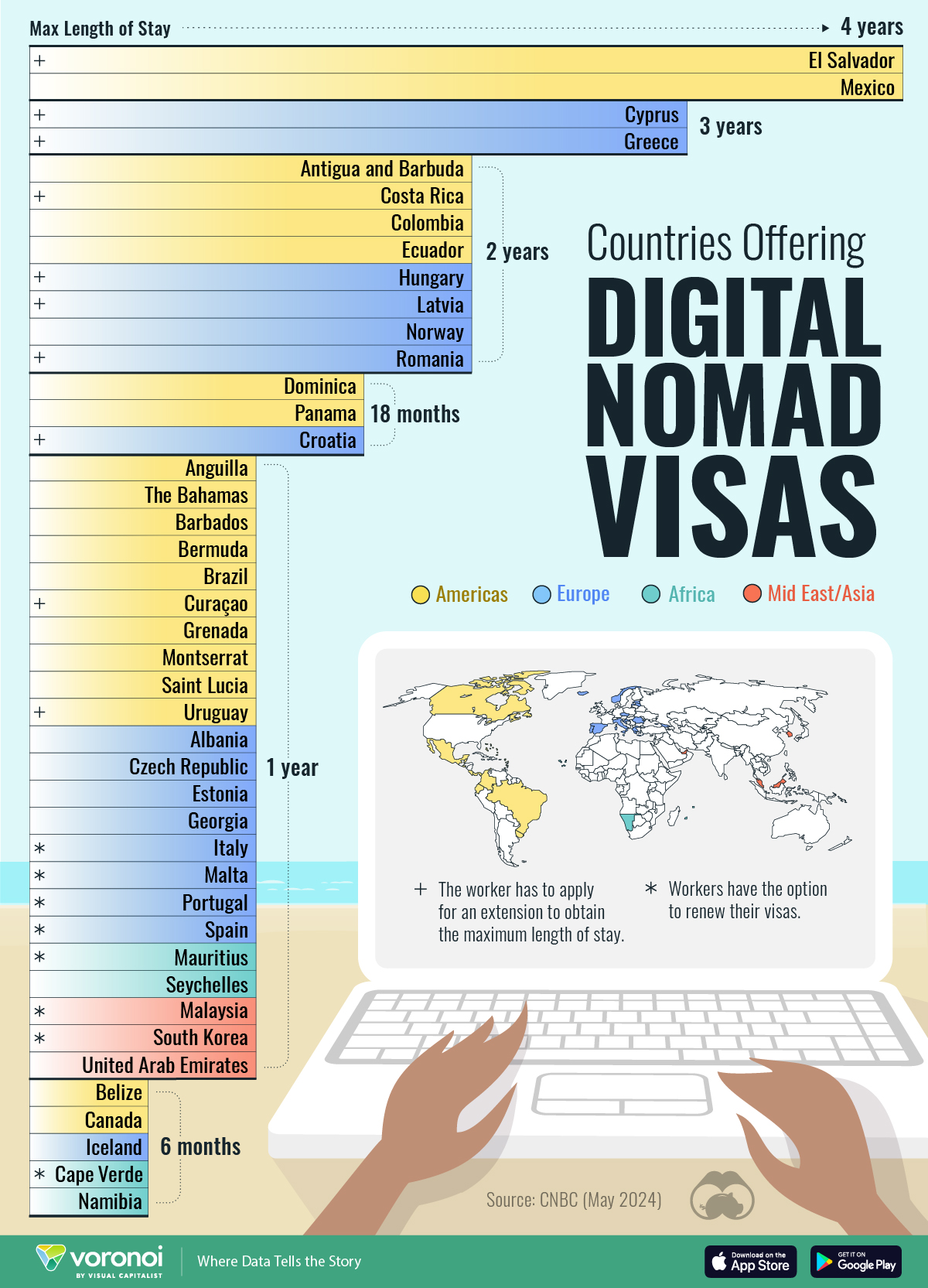
Credit: www.visualcapitalist.com
Where To Start: First Steps For Beginners
If you’re new to remote work abroad, start with these steps:
- Pick a country with easy visa rules and affordable living.
- Visit for a short stay (1–2 months) to test if it suits you.
- Join local and online communities.
- Find reliable housing with fast internet.
- Learn about taxes and legal requirements.
Portugal, Thailand, and Mexico are good choices for first-timers. They offer strong support networks and flexible visa options.
For more detailed information about digital nomad visas and trends, check Wikipedia.
Frequently Asked Questions
What Is A Digital Nomad Visa?
A digital nomad visa is a special permit that lets you live in a country while working remotely for a foreign company or as a freelancer. It’s designed for people who don’t need to work for local businesses.
Which Country Is The Cheapest For Digital Nomads?
Georgia and Thailand are among the cheapest, with monthly living costs often below $1,000. They offer affordable housing, food, and transport.
Is Health Insurance Necessary For Digital Nomads?
Yes, most countries require health insurance for visa applications. It also protects you in case of illness or accidents. Choose international plans that cover your destination.
How Do Digital Nomads Pay Taxes?
Tax rules depend on your home country and where you live. Some places offer tax breaks, but you may still owe taxes at home. It’s best to consult a tax expert.
What Are Common Mistakes Made By Digital Nomads?
Beginners often forget to check visa rules, underestimate living costs, and choose places with poor internet. Research and planning help avoid these mistakes.
Living as a digital nomad can be exciting and rewarding. By choosing the right country and preparing carefully, you can enjoy work and life from anywhere. The world is full of possibilities—find the place that matches your style, goals, and budget.