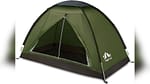

When you’re out on the trail, every ounce in your backpack counts. That’s why choosing the right lightweight hiking tent can make all the difference between a tiring trek and an enjoyable adventure.
You want a tent that’s easy to carry, quick to set up, and tough enough to protect you from the elements—without weighing you down. Meet the Naturehike Cloud-Up 1 / 2 Ultralight Tent, designed to give you the perfect balance of weight, durability, and comfort. Whether you’re hiking solo or with a partner, this ultralight tent lets you focus on the journey ahead, not on lugging heavy gear. Ready to discover how this tent can transform your hiking experience? Keep reading to find out why it’s a must-have for your next trip.
Contents
- 1 Introduction To Lightweight Hiking Tents
- 2 Key Features Of Lightweight Hiking Tents
- 2.1 Weight And Portability: Enhancing Mobility On The Trail
- 2.2 Durability And Weather Resistance: Staying Protected In Harsh Conditions
- 2.3 Ease Of Setup: Saving Time And Effort Outdoors
- 2.4 Ventilation And Comfort: Ensuring A Pleasant Camping Experience
- 2.5 Space And Capacity: Balancing Size With Weight
- 3 Pricing And Affordability Breakdown
- 4 Pros And Cons Based On Real-world Usage
- 5 Recommendations For Ideal Users And Scenarios
- 6 Tips For Selecting And Maintaining Your Lightweight Hiking Tent
- 7 Conclusion: Making The Most Of Your Lightweight Hiking Tent
- 8 Frequently Asked Questions
- 9 Conclusion
Introduction To Lightweight Hiking Tents
Lightweight hiking tents offer a simple solution for outdoor lovers. They provide shelter without heavy loads. These tents help hikers move faster and carry less weight. Ideal for long treks and quick setups, they balance comfort and convenience perfectly.
What Is A Lightweight Hiking Tent?
A lightweight hiking tent is a compact, easy-to-carry shelter designed for backpackers. It usually weighs between 1 to 3 kilograms. Made from durable, weather-resistant materials, it protects hikers from rain, wind, and bugs. These tents fit into small backpacks, saving space and energy.
The Naturehike Cloud-Up 1 / 2 Ultralight Tent is a popular example. It weighs less than 2 kg and offers quick setup. Its design suits solo hikers or pairs needing reliable shelter on trails.
Why Choose Lightweight Tents For Outdoor Adventures?
- Less Weight: Carrying less weight means longer hikes with less fatigue.
- Easy to Pack: Compact size fits easily in backpacks.
- Quick Setup: Saves time setting up camp, especially in bad weather.
- Durability: Made from strong, water-resistant fabrics to withstand weather.
- Versatility: Suitable for various terrains and weather conditions.
Choosing a lightweight tent improves the hiking experience. It allows more freedom and comfort during outdoor adventures.
Overview Of Tent Types And Designs
| Tent Type | Description | Weight Range | Best For |
|---|---|---|---|
| Single-Wall Tents | One layer fabric, lighter but less breathable | 0.8 – 1.5 kg | Warm, dry conditions |
| Double-Wall Tents | Separate inner tent and rainfly for ventilation | 1.5 – 3 kg | All weather, longer trips |
| Ultralight Tents | Minimalist design, uses lightweight materials | 0.5 – 1.5 kg | Thru-hiking, fast packing |
| Pop-Up Tents | Easy setup but usually heavier | 2 – 4 kg | Casual campers |
Tent designs vary from simple dome shapes to tunnel or pyramid styles. Dome tents offer good stability and space. Tunnel tents provide more internal room but need careful pitching. Pyramid tents are lightweight but require trekking poles.

Credit: gearjunkie.com
Key Features Of Lightweight Hiking Tents
Lightweight hiking tents combine essential qualities for outdoor adventurers. They focus on mobility, protection, and comfort. These tents make hiking easier and more enjoyable.
Choosing the right lightweight tent means balancing several important features. These features ensure safety and ease during your hiking trips.
Weight And Portability: Enhancing Mobility On The Trail
Weight plays a crucial role in hiking tents. Lightweight tents like the Naturehike Cloud-Up 1 / 2 Ultralight Tent weigh very little, often under 3 pounds.
- Easy to carry in a backpack
- Reduce fatigue on long hikes
- Compact size saves space
Portability means you can move faster and cover more ground comfortably.
Durability And Weather Resistance: Staying Protected In Harsh Conditions
Durability ensures the tent withstands rough terrain and weather. Quality materials resist tears and damage.
| Feature | Benefit |
|---|---|
| Waterproof Fabric | Keeps you dry during rain |
| Strong Poles | Withstand wind and maintain structure |
| Reinforced Seams | Prevent leaks and increase longevity |
These tents protect campers from wind, rain, and cold.
Ease Of Setup: Saving Time And Effort Outdoors
Setup speed matters after a long day of hiking. Lightweight tents often feature simple designs.
- Color-coded poles for quick assembly
- Freestanding structures for easy pitching
- Minimal parts reduce confusion
Fast setup means more time relaxing and less stress.
Ventilation And Comfort: Ensuring A Pleasant Camping Experience
Good ventilation prevents condensation inside the tent. Mesh panels and vents increase airflow.
- Reduce moisture buildup
- Keep air fresh and cool
- Improve sleep quality
Comfort features make outdoor stays more enjoyable and restful.
Space And Capacity: Balancing Size With Weight
Space is vital but must balance with weight. Lightweight tents offer enough room without bulk.
| Capacity | Weight Range | Recommended For |
|---|---|---|
| 1 Person | 1.5 – 2.5 lbs | Solo hikers |
| 2 Person | 2.5 – 3.5 lbs | Couples or extra gear |
The Naturehike Cloud-Up model offers options for one or two people.
This balance ensures comfort without adding extra load.
Pricing And Affordability Breakdown
Choosing the right lightweight hiking tent depends heavily on price and features. Prices vary widely based on materials, weight, and design. Understanding costs helps hikers pick tents matching their needs and budgets. This section breaks down pricing into clear categories.
Budget Options: Finding Quality On A Tight Budget
Budget tents usually cost under $100. They offer basic protection and lightweight convenience. Expect:
- Simple materials like polyester and aluminum poles
- Basic waterproof coatings
- Moderate durability and slightly higher weight
Examples include Walmart tents priced around $55-$80. These suits casual hikers or beginners. Quality varies, so check reviews and specs carefully.
Mid-range Tents: Balancing Features And Price
Mid-range tents typically range from $100 to $250. They balance weight, durability, and weather resistance well.
- Stronger fabrics and better waterproof ratings
- More innovative designs for ventilation and setup
- Improved pole materials like DAC aluminum
The Naturehike Cloud-Up 1 / 2 Ultralight Tent fits here, priced around $150-$200. It offers solid value with lightweight build and reliable weather protection.
Premium Ultralight Tents: Investing In Advanced Materials And Innovation
Premium tents cost over $250. They use advanced materials such as Dyneema or high-grade silicone-coated fabrics.
- Extremely low weight, often under 2 pounds
- High durability and top waterproofing
- Innovative designs for quick setup and space efficiency
These tents suit serious backpackers and thru-hikers who want minimal weight without sacrificing protection.
Value For Money: What To Expect At Different Price Points
| Price Range | Weight | Materials | Features | Best For |
|---|---|---|---|---|
| Under $100 | 3-5 lbs | Basic polyester, aluminum poles | Simple setup, moderate waterproofing | Casual hikers, beginners |
| $100 – $250 | 2-3.5 lbs | Ripstop nylon, DAC poles | Good waterproofing, ventilation, lighter weight | Regular hikers, weekend backpackers |
| Above $250 | < 2 lbs | Dyneema, silicone-coated fabrics | Ultralight, highly durable, quick setup | Thru-hikers, ultralight enthusiasts |
Investing in tents at each price level means different trade-offs. Budget tents save money but weigh more. Mid-range tents balance cost and performance. Premium tents reduce weight significantly but cost more.
Pros And Cons Based On Real-world Usage
Choosing a lightweight hiking tent means balancing weight, space, and durability. Real users of the Naturehike Cloud-Up 1 / 2 Ultralight Tent share valuable insights. Their experiences help reveal the true advantages and limitations of this popular model.
Advantages Of Lightweight Hiking Tents
- Easy to carry: The Naturehike Cloud-Up weighs very little, ideal for long hikes.
- Quick setup: Users report fast and simple assembly, saving time after a long day.
- Compact size: Packs down small, fitting easily in backpacks without adding bulk.
- Weather resistance: Offers solid protection against rain and moderate wind.
- Comfortable space: Designed to fit one or two people comfortably with enough headroom.
Common Limitations And Challenges
Lightweight tents have some trade-offs to consider:
- Durability concerns: Thin materials may wear faster in rough conditions.
- Limited storage: Smaller vestibules reduce space for gear outside the sleeping area.
- Less insulation: May not be ideal for very cold or harsh climates.
- Fragile poles: Ultralight poles can be more prone to bending or breaking.
User Experiences And Feedback Highlights
| Feature | Positive Feedback | Negative Feedback |
|---|---|---|
| Weight | Feels very light even after a full day of hiking. | None reported regarding weight. |
| Setup | Easy to pitch quickly with little effort. | Some users found initial setup instructions unclear. |
| Weather Protection | Keeps dry during rain and resists wind well. | Not suitable for heavy snow or extreme storms. |
| Space | Comfortable for one person plus gear. | Two-person use can feel cramped with larger packs. |
| Durability | Holds up well under normal hiking conditions. | Thin fabric may tear if snagged on sharp branches. |
Recommendations For Ideal Users And Scenarios
The Naturehike Cloud-Up 1 / 2 Ultralight Tent fits many hiking styles and conditions. Choosing the right tent depends on your group size, climate, and activity type. This guide helps match tents to users and outdoor situations.
Best Tents For Solo Hikers And Minimalists
Solo hikers need tents that are lightweight and easy to carry. Minimalists prefer compact designs with essential features only.
- Naturehike Cloud-Up 1: Weighs about 1.3 kg, perfect for one person.
- Simple setup, small pack size saves backpack space.
- Good weather protection for spring to fall hiking.
This tent offers a balance of comfort and weight. Ideal for hikers who want speed and ease without extra bulk.
Options For Couples And Small Groups
Couples or two-person groups need slightly larger tents that stay light. The tent must fit two people comfortably.
| Tent Model | Capacity | Weight | Key Features |
|---|---|---|---|
| Naturehike Cloud-Up 2 | 2 persons | 1.5 kg | Spacious interior, easy setup, good ventilation |
| Other Ultralight Tents | 2-3 persons | 1.6-2 kg | Durable fabrics, weatherproof, lightweight |
These tents suit couples and small groups who want comfort and portability. They balance space and pack weight well.
Tents Suitable For Different Seasons And Climates
Season and climate affect tent choice. Some tents work well in warm weather but not in winter storms.
- 3-season tents handle rain, wind, and moderate cold.
- 4-season tents resist heavy snow and strong winds.
- Ultralight tents like Naturehike Cloud-Up are best for spring, summer, and fall.
- Use extra gear for cold or snowy conditions.
Check tent materials and design for ventilation and water resistance. Pick tents that match your planned hiking seasons.
Choosing The Right Tent For Specific Outdoor Activities
Different activities need tents with special features.
- Backpacking: Ultralight, compact tents like Naturehike Cloud-Up save weight.
- Camping: Larger tents with extra space and comfort.
- Mountaineering: Strong, 4-season tents resist harsh weather.
- Trail Running or Fast Hiking: Very light tents with quick setup.
Match tent features to activity needs. Weight, durability, and setup speed matter most.

Credit: www.amazon.com
Tips For Selecting And Maintaining Your Lightweight Hiking Tent
Choosing the right lightweight hiking tent improves your outdoor experience. Proper selection and care keep your tent reliable and durable. Focus on features that match your hiking style and climate. Maintain your tent regularly to extend its lifespan and performance.
How To Evaluate Tent Features Based On Your Needs
Consider these key features before buying a lightweight hiking tent:
- Weight: Aim for the lightest tent without sacrificing durability.
- Capacity: Pick a tent size based on the number of hikers and gear.
- Weather Resistance: Check for waterproof materials and strong wind resistance.
- Ventilation: Look for mesh panels to reduce condensation inside.
- Setup: Choose tents with simple and quick pitching systems.
- Durability: Select tents made with ripstop nylon or polyester fabrics.
The Naturehike Cloud-Up 1 / 2 Ultralight Tent offers excellent weatherproofing and weighs under 3 pounds. It suits solo or duo hikers.
Packing And Carrying Tips For Ultralight Gear
Carry your lightweight tent efficiently with these tips:
- Use a compression sack to reduce tent volume.
- Pack the tent at the bottom of your backpack for balance.
- Store tent poles and stakes in external mesh pockets for easy access.
- Keep the rainfly separate for quick setup during rain.
- Distribute weight evenly to avoid strain on your back.
Maintenance And Care To Extend Tent Lifespan
Follow these simple steps to maintain your tent:
- Clean: Remove dirt and debris after every trip using a soft brush or damp cloth.
- Dry: Always dry your tent fully before storage to prevent mold and mildew.
- Store: Keep the tent loosely packed in a cool, dry place away from sunlight.
- Repair: Fix small tears or broken zippers promptly using repair kits.
- Pitch: Avoid pitching on rough surfaces to protect the tent floor.
Regular care keeps your Naturehike Cloud-Up Tent functional and ready for many hikes.
Conclusion: Making The Most Of Your Lightweight Hiking Tent
Owning a lightweight hiking tent like the Naturehike Cloud-Up 1 / 2 offers great freedom. It helps you carry less weight and enjoy more comfort on your adventures. Proper use of this tent ensures a safe and relaxing outdoor experience.
Choosing the right tent means balancing weight, space, and weather protection. The Naturehike Cloud-Up series excels in these areas, making it ideal for solo or duo hikers. Knowing how to set up, maintain, and pack your tent enhances every trip.
Summary Of Key Takeaways
- Lightweight design reduces your carrying load significantly.
- Easy setup saves time and effort after a long hike.
- Durable materials protect you against wind and rain.
- Compact size fits well into your backpack without bulk.
- Comfortable space for one or two people depending on the model.
- Good ventilation prevents moisture buildup inside the tent.
| Feature | Benefit |
|---|---|
| Ultralight Weight | Easy to carry on long hikes |
| Quick Setup | More time to enjoy nature |
| Weatherproof | Protection in rain and wind |
| Compact Pack Size | Saves backpack space |
Encouragement For Enjoying Easy Outdoor Adventures
Travel light and move fast. A lightweight tent makes hiking easier and more fun. You can explore further without feeling weighed down.
Experience nature comfortably with quick shelter setup. Spend more time hiking, resting, or enjoying the view.
Try new trails and camp spots with confidence. Your tent will keep you safe and dry. Enjoy peaceful nights under the stars, waking refreshed for new adventures.
Keep your gear simple. Focus on the joy of the journey. Naturehike Cloud-Up tents support your outdoor lifestyle with minimal hassle.

Credit: www.amazon.com
Frequently Asked Questions
What Defines A Lightweight Hiking Tent?
A lightweight hiking tent is designed to be compact and easy to carry. It typically weighs less than 3 pounds, using materials like nylon or Dyneema. This makes it ideal for backpackers who prioritize speed and minimal load on long hikes.
How Durable Are Lightweight Hiking Tents?
Lightweight hiking tents use strong yet thin materials to reduce weight without sacrificing durability. Many feature reinforced seams and waterproof coatings. While lighter than traditional tents, they still offer reliable protection against rain and wind for most hiking conditions.
Which Features Matter Most In A Lightweight Tent?
Key features include weight, weather resistance, ease of setup, and ventilation. Look for waterproof fabrics, sturdy poles, and good airflow to prevent condensation. A balance of durability and lightness ensures comfort and safety on the trail.
Can Lightweight Tents Handle Harsh Weather?
Yes, many lightweight tents are designed for three-season use, handling rain, wind, and moderate cold. However, they may not be suitable for extreme winter conditions. Always check the tent’s weather rating to match your hiking environment.
Conclusion
Choosing a lightweight hiking tent makes your outdoor trips easier. The Naturehike Cloud-Up 1 / 2 Ultralight Tent offers great portability and comfort. It is easy to carry and quick to set up. This tent keeps you protected from wind and rain without extra weight. A reliable tent means more fun and less hassle on the trail. Check out the Naturehike Cloud-Up tent for your next adventure here: Naturehike Cloud-Up 1 / 2 Ultralight Tent. Small weight, big difference. Ready to explore?