
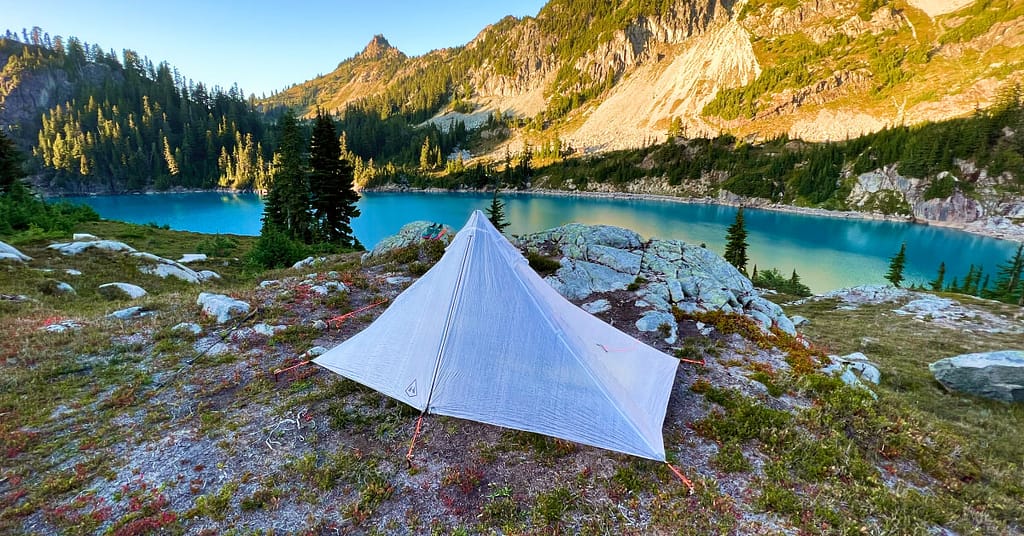

When you’re out on the trail, every ounce in your pack matters. Your shelter should protect you without weighing you down or taking up too much space.
That’s why choosing the best ultralight backpacking tent is key to making your adventure comfortable and hassle-free. Imagine having a tent that’s both incredibly light and sturdy enough to handle sudden weather changes, letting you focus on the journey instead of worrying about your gear. The Naturehike Cloud-Up 1 / 2 Ultralight Tent fits perfectly into your backpacking plans. It’s designed for hikers like you who want to travel fast and light but still need reliable protection. Ready to discover why this tent is a top pick for ultralight backpackers? Check it out here: Naturehike Cloud-Up 1 / 2 Ultralight Tent and keep reading to find out if it’s the right fit for your next trip.
Introduction To Ultralight Backpacking Tents
Ultralight backpacking tents are essential for hikers who value weight and efficiency. These tents allow adventurers to carry less without sacrificing shelter quality. Designed with lightweight materials, they make long treks easier and more enjoyable. Ultralight tents help reduce fatigue and increase mobility on rugged trails. Choosing the right ultralight tent improves your overall hiking experience.
What Defines An Ultralight Backpacking Tent?
Ultralight backpacking tents weigh typically under 3 pounds (1.36 kg) for one or two persons. They focus on minimal weight while offering enough protection from weather. Key features include:
- Compact size for easy packing
- Durable yet lightweight fabrics
- Simple pole structures
- Efficient ventilation and waterproofing
Weight savings often come from using thin materials and fewer components. Despite lightness, quality tents remain strong against wind and rain.
Why Choose Ultralight Tents For 2026 Adventures?
Choosing an ultralight tent in 2026 means embracing comfort and convenience on every hike. Benefits include:
- Less weight means less strain on your back and legs.
- Faster setup saves time and energy.
- More space in your backpack for other essentials.
- Improved mobility to cover longer distances.
- Advanced materials provide better weather protection.
Ultralight tents like the Naturehike Cloud-Up 1 / 2 combine lightness with reliable shelter.
Overview Of Tent Types And Materials
Ultralight tents come in various types and fabrics. Understanding these helps in selecting the best option.
| Type | Description | Typical Weight | Pros | Cons |
|---|---|---|---|---|
| Single-wall | One layer of waterproof fabric | 1-2 lbs | Lightweight, simple setup | Less ventilation, condensation risk |
| Double-wall | Separate rainfly and inner mesh | 2-3 lbs | Better ventilation, less condensation | Heavier, more complex setup |
| Tarps and shelters | Minimal fabric, open design | Under 1 lb | Extremely light, flexible | Less protection from bugs and weather |
Materials used in ultralight tents include:
- Silnylon – waterproof, stretchy, lightweight
- Cuben Fiber (Dyneema) – ultra-strong, very light, expensive
- Ripstop Nylon – durable, resists tearing
Choosing the right type and material balances weight, durability, and cost.
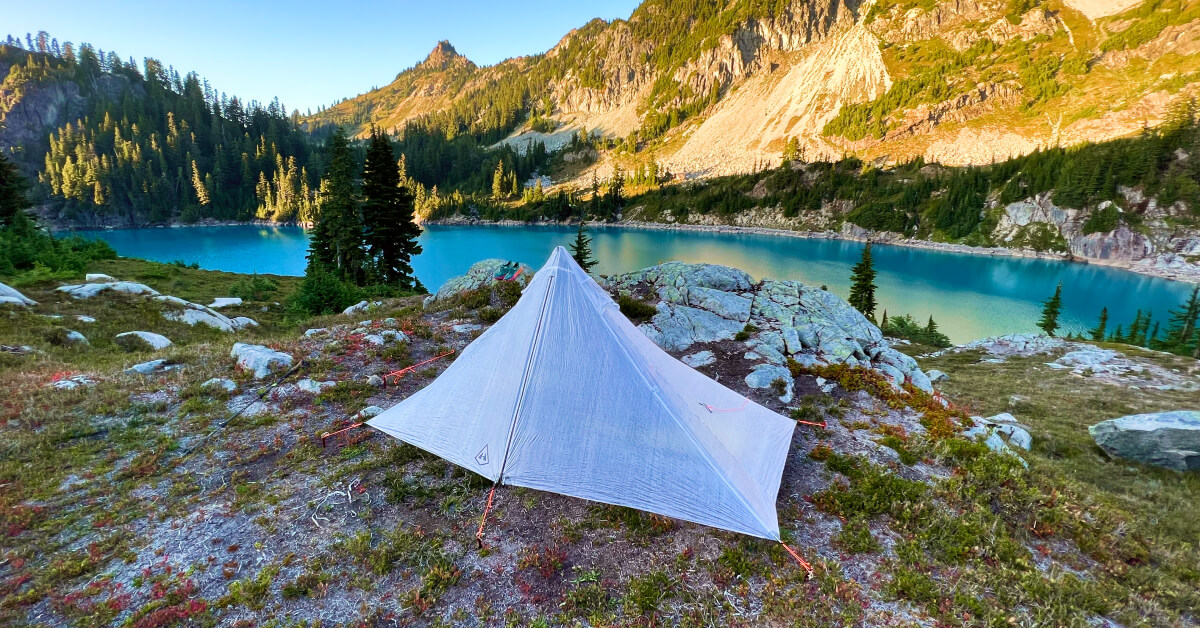
Credit: www.adventurealan.com
Key Features Of The Best Ultralight Backpacking Tents
The best ultralight backpacking tents combine portability, protection, and comfort. Every feature matters for long treks where every ounce counts. These tents must be easy to carry, strong against weather, quick to set up, and comfortable to sleep in. Here are the key features to focus on when choosing an ultralight backpacking tent.
Weight And Packability: Maximizing Portability On The Trail
Weight is the most critical factor for ultralight tents. Most top models weigh under 3 pounds. This helps reduce strain on your back and improves hiking speed. Packability is equally important. The tent should compress into a small, manageable size that fits easily into your backpack.
- Choose tents with minimal poles and lightweight fabrics.
- Look for compact stuff sacks that reduce bulk.
- Consider single-wall designs to cut weight.
Durability And Weather Resistance: Staying Safe In Harsh Conditions
Durability ensures the tent lasts many trips. High-quality fabrics resist tears and abrasions. Weather resistance protects from rain, wind, and cold. Look for strong waterproof coatings and sturdy seams to prevent leaks.
- Ripstop nylon or polyester fabrics are common.
- Waterproof ratings of at least 1500mm hydrostatic head help keep dry.
- Strong poles resist bending in wind.
Ease Of Setup: Saving Time And Effort After A Long Day
Quick and simple tent setup matters after hiking all day. Ultralight tents often use trekking poles to reduce weight but still need easy clip or sleeve systems. Color-coded poles and straightforward instructions speed the process. Single-wall tents usually set up faster than double-wall models.
- Look for tents with minimal parts and simple designs.
- Practice setup before your trip to avoid confusion.
- Consider freestanding tents for easier pitch on varied terrain.
Ventilation And Condensation Management: Ensuring Comfort Overnight
Good ventilation reduces condensation inside the tent. Mesh panels and adjustable vents allow airflow while keeping insects out. Proper airflow keeps the tent dry and comfortable, especially in humid or cold weather. Some tents have dual doors and vents for cross ventilation.
- Mesh panels on walls or ceiling improve breathability.
- Vents positioned to catch breeze reduce moisture buildup.
- Double-wall tents often handle condensation better.
Interior Space And Layout: Balancing Comfort With Minimalism
Interior space must balance comfort and weight savings. Ultralight tents usually fit one or two people snugly. Look for efficient layouts that maximize headroom and floor space. Vestibules add extra room for gear without increasing sleeping area.
| Feature | Benefit |
|---|---|
| Peak Height | Allows sitting up comfortably |
| Floor Area | Enough space to stretch and store gear |
| Vestibules | Extra storage for boots and packs |
Additional Features: Vestibules, Doors, And Storage Options
Extra features enhance convenience and usability. Vestibules provide covered space to store muddy boots and gear. Multiple doors ease entry and exit without disturbing your partner. Internal pockets keep small items organized and within reach.
- Vestibules protect gear from rain and dirt.
- Dual doors improve ventilation and access.
- Mesh storage pockets keep essentials handy.
Top Ultralight Backpacking Tents For 2026
Ultralight backpacking tents help hikers carry less and move faster. Choosing the right tent means balancing weight, durability, and protection. The 2026 models bring new options with better materials and smart designs. This guide covers types, top models, and innovations to help hikers pick the best fit for their adventures.
Single-wall Vs. Double-wall Tents: Which Suits Your Needs?
Single-wall tents use one layer of fabric that acts as both rain and bug protection. They are lighter and pack smaller. Great for dry climates or fast trips.
Double-wall tents have an inner mesh tent plus a separate rainfly. This design offers better ventilation and less condensation. Ideal for wet or cold weather conditions.
| Feature | Single-Wall Tent | Double-Wall Tent |
|---|---|---|
| Weight | Usually lighter | Heavier due to extra layer |
| Condensation | More prone | Better ventilation, less condensation |
| Setup Complexity | Simple and fast | Requires more time |
| Weather Protection | Good for mild weather | Better for rain and cold |
Leading Models Reviewed: Strengths And Best Use Cases
- Naturehike Cloud-Up 1 / 2 Ultralight Tent – Lightweight and compact. Best for solo hikers or couples who want easy setup. Durable polyester fabric offers good rain protection. Packs small for long hikes.
- Tarptent StratoSpire Ultra – Strong double-wall design. Perfect for backpackers facing tough weather. Great ventilation reduces condensation on cold trips.
- Zpacks Plexamid – The lightest single-wall tent on the market. Ideal for fast hikers in dry environments. Simple and minimal, but less suited for heavy rain.
Innovative Designs And Cutting-edge Materials In Recent Releases
Recent tents use Dyneema Composite Fabrics (DCF) and ultralight ripstop nylon. These materials offer high strength and low weight. They resist tears and water well.
New designs focus on:
- Reducing tent poles or using trekking poles to save weight.
- Improving ventilation to cut down moisture inside.
- Adding modular features like removable rainflies or extra vestibules.
Manufacturers also optimize tent shapes for better wind resistance and stability. These advances create tents that weigh less but stay durable in rough conditions.

Credit: gearjunkie.com
Pricing And Affordability Breakdown
Choosing the best ultralight backpacking tent depends on budget and needs. Pricing varies widely across brands and models. This section breaks down costs and what to expect at each price point. Understanding this helps balance quality, features, and price for your next hiking trip.
Budget-friendly Options Without Compromising Quality
Budget ultralight tents offer solid protection and lightweight design. These tents suit casual hikers and beginners. Expect:
- Weights around 2 to 3 pounds
- Durable yet simple materials
- Basic weather resistance
- Easy setup and packability
Example: The Naturehike Cloud-Up 1 / 2 Ultralight Tent offers excellent value under $200. It balances weight, durability, and comfort well for its price.
Mid-range Tents: Features Worth The Investment
Mid-range tents cost between $200 and $400. They provide upgrades in materials, design, and weatherproofing. Key features include:
- Stronger, lighter fabrics like ripstop nylon
- Improved waterproof coatings
- Enhanced ventilation and condensation control
- More spacious interiors with multiple entrances
This price range suits regular backpackers who need reliability in diverse conditions.
Premium Ultralight Tents: When To Splurge And Why
Premium tents can exceed $400. They offer the lightest weight and toughest materials. Features often include:
- High-tech fabrics such as Dyneema Composite
- Advanced pole systems for strength and minimal weight
- Exceptional weather resistance and durability
- Innovative designs for space and comfort
Choose premium tents for extended trips or harsh environments. The investment pays off in comfort and protection.
Cost Vs. Longevity: Evaluating Value Over Time
Price alone does not define value. A tent’s durability and lifespan affect overall cost. Consider:
- Material quality: Higher-grade fabrics resist tears and UV damage.
- Construction: Reinforced seams and quality zippers last longer.
- Weight trade-offs: Ultralight tents may sacrifice some durability.
- Maintenance: Proper care extends tent life.
Investing in a mid-range or premium tent often reduces replacement frequency. This saves money over multiple hiking seasons.
| Price Range | Weight | Durability | Best For |
|---|---|---|---|
| Under $200 | 2-3 lbs | Good for occasional use | Casual hikers, beginners |
| $200 – $400 | 1.5-2.5 lbs | Better durability and weatherproofing | Frequent backpackers |
| Above $400 | Under 2 lbs | Top durability and tech fabrics | Serious hikers, harsh conditions |
Pros And Cons Based On Real-world Usage
The Naturehike Cloud-Up 1/2 Ultralight Tent offers a mix of benefits and drawbacks in actual outdoor use. Understanding these helps hikers choose the right gear for their needs. This section breaks down the tent’s strengths and weaknesses from real experiences.
Advantages Of Ultralight Tents In Various Environments
Ultralight tents like the Naturehike Cloud-Up excel in many outdoor settings. Their key advantages include:
- Easy to carry: Weighing just around 1.3 kg, it lightens your load for long hikes.
- Quick setup: Simple design and fewer poles make pitching fast, even in bad weather.
- Good ventilation: Mesh panels reduce condensation in warm, humid areas.
- Compact size: Packs down small, saving space in your backpack.
- Versatile use: Works well in forests, mountains, and mild alpine zones.
These features suit hikers needing agility and speed. The tent performs best in spring to autumn seasons with moderate conditions.
Common Limitations And How To Mitigate Them
Ultralight tents have some trade-offs. Typical issues with the Naturehike Cloud-Up include:
| Limitation | Description | Mitigation Tips |
|---|---|---|
| Space | Compact size means less room inside for gear and movement. | Store bulky items outside in a vestibule or under a tarp. |
| Durability | Light fabric can be more prone to tears or wear in rough terrain. | Use a footprint or groundsheet for extra protection. |
| Weather resistance | Not ideal for heavy snow or extreme winds due to lighter poles and fabric. | Choose campsites with natural windbreaks; avoid severe weather. |
| Single-wall condensation | Condensation can build up inside during cold nights. | Ventilate the tent well and use breathable fabrics. |
User Feedback And Expert Opinions Summarized
Feedback from hikers and experts highlights the Naturehike Cloud-Up as a solid choice in its category. Key points include:
- Positive remarks: Lightweight, easy to carry, and fast to set up.
- Comfort: Adequate interior space for solo or duo camping with minimal gear.
- Value: Affordable price with good quality materials for the weight.
- Criticism: Some users report needing extra care to avoid fabric damage.
- Expert advice: Best for hikers prioritizing weight savings over maximum durability.
Experts recommend this tent for backpackers and thru-hikers who want reliable shelter with minimal weight.
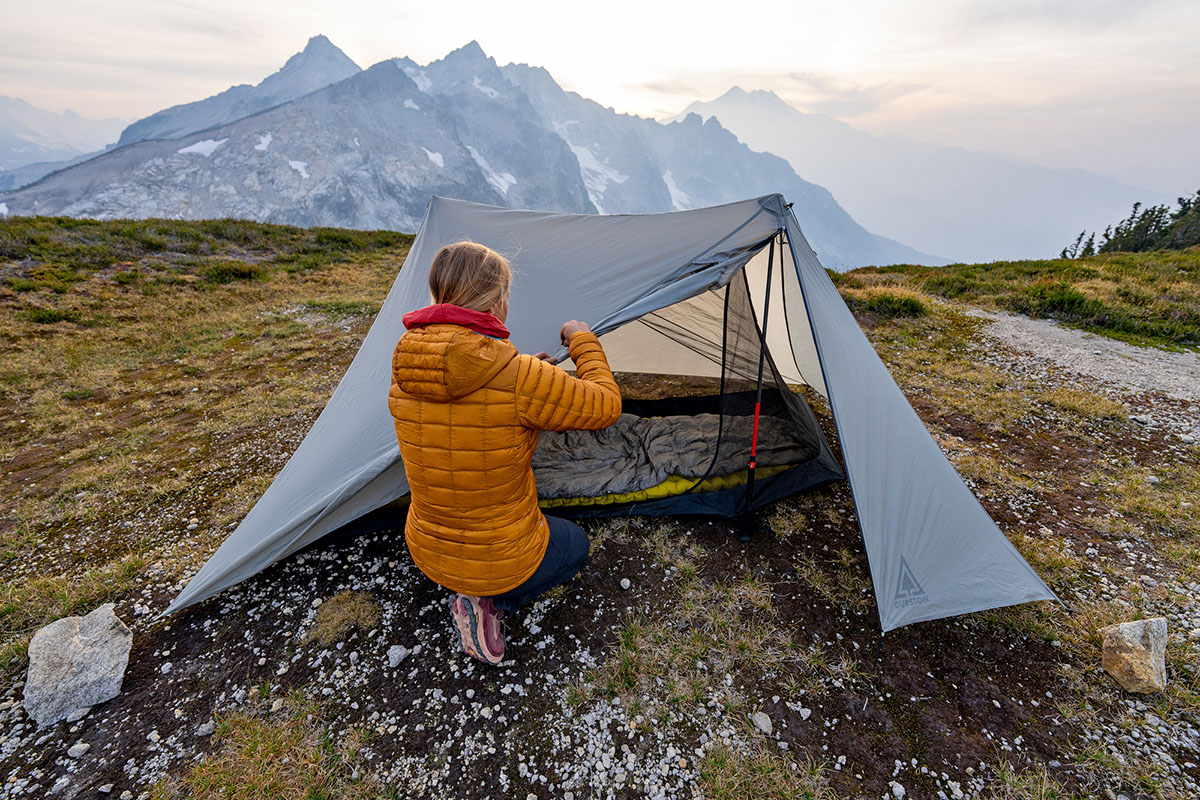
Credit: www.switchbacktravel.com
Recommendations For Ideal Users And Scenarios
Choosing the best ultralight backpacking tent depends on who you are and where you go. Different hikers and conditions call for different tents. This section helps match tents to your hiking style and needs. It covers solo hikers, groups, seasons, and terrains.
Best Tent Choices For Solo Hikers And Thru-hikers
Solo hikers and thru-hikers need tents that are very light and easy to pack. These tents save weight and space in the backpack.
- Naturehike Cloud-Up 1 Ultralight Tent: Weighs just around 1.3 kg (2.87 lbs). Easy to set up and pack.
- Single-wall designs reduce weight but require good ventilation.
- Compact size fits small backpack compartments.
This tent suits long-distance hikers who want to move fast and carry less. It also offers good protection and comfort for one person.
Options Suited For Couples Or Small Groups
Couples or small groups need more space but still want lightweight gear. A tent that fits two or more people without adding much weight works best.
| Tent Model | Capacity | Weight | Features |
|---|---|---|---|
| Naturehike Cloud-Up 2 Ultralight Tent | 2 Persons | 1.7 kg (3.75 lbs) | Good ventilation, compact pack size |
| Other Ultralight 2-Person Tents | 2-3 Persons | 2-2.5 kg | Easy setup, durable materials |
Look for tents with separate vestibules for gear and good headroom. These help keep the tent organized and comfortable for two or more people.
Selecting Tents For Different Seasons And Weather Conditions
Season and weather affect tent choice. Ultralight tents vary in how well they handle wind, rain, and cold.
- 3-season tents work well in spring, summer, and fall. They balance weight and weather protection.
- 4-season tents are heavier but stand firm in snow and strong winds.
- Look for waterproof fabrics and sturdy poles for wet or windy trips.
- Good ventilation helps prevent condensation in humid weather.
The Naturehike Cloud-Up series is mostly 3-season. It suits mild to moderate weather well.
Tips For Choosing Based On Terrain And Trip Duration
Terrain and trip length shape tent needs. Consider these points:
- Rocky or uneven ground: Choose tents with strong stakes and durable floors.
- Forest or grassy areas: Lightweight tents with mesh panels improve airflow.
- Long trips: Prioritize weight savings and durability.
- Short trips: Comfort and quick setup may matter more.
Always test tent setup before the trip. Practice helps speed up pitching and packing.
Conclusion: Making The Right Choice For Your 2026 Adventures
Choosing the perfect ultralight backpacking tent shapes your outdoor experience. The right tent balances weight, durability, and comfort. It ensures safety and rest on every trail. In 2026, your adventures deserve a tent that supports your goals. The Naturehike Cloud-Up 1 / 2 Ultralight Tent stands out as a smart option. It combines light weight with reliable protection, ideal for solo or duo hikes. Careful selection leads to better trips and memorable moments.
Key Takeaways On Ultralight Tent Selection
- Weight matters: A tent under 3 pounds reduces your pack load.
- Durability counts: Choose tough fabrics and strong poles for long trips.
- Size and space: Pick a tent that fits your gear and sleeping style.
- Weather protection: Look for tents with good waterproof ratings and ventilation.
- Ease of setup: Quick assembly saves time and energy after a long day.
| Feature | Naturehike Cloud-Up 1 / 2 Tent | Why It Matters |
|---|---|---|
| Weight | 1.5 – 2.2 lbs (depending on model) | Light enough for fast and long hikes |
| Capacity | 1 or 2 people | Fits solo hikers or pairs comfortably |
| Material | Waterproof Nylon with aluminum poles | Resistant to rain and wind |
| Setup Time | Under 5 minutes | Quick and simple to pitch |
Preparing For Your Next Backpacking Trip With Confidence
Pack your ultralight tent along with essential gear. Test your tent at home before the trail. Know how to set it up fast, even in the dark. Check weather forecasts and plan your campsite carefully. Carry a repair kit for emergencies.
- Practice pitching your tent in different spots.
- Keep tent stakes and guylines handy.
- Use a footprint or groundsheet to protect the tent floor.
- Store your tent dry and clean after every trip.
- Balance weight by packing only what you need.
Confidence grows with preparation. A reliable ultralight tent like the Naturehike Cloud-Up helps you focus on the journey. Embrace your 2026 adventures with gear that fits your pace and style.
Frequently Asked Questions
What Is An Ultralight Backpacking Tent?
An ultralight backpacking tent weighs under 3 pounds. It is designed for easy carrying on long hikes. These tents prioritize minimal weight without sacrificing essential protection and durability.
How To Choose The Best Ultralight Tent?
Consider weight, weather resistance, space, and ease of setup. Prioritize durability and ventilation for comfort. Reviews and trail tests help identify top-performing models.
Are Ultralight Tents Suitable For All Weather?
Most ultralight tents handle mild to moderate weather well. For extreme conditions, select models with reinforced materials and sturdy poles. Always check specific tent ratings before use.
Can Ultralight Tents Fit Multiple People?
Yes, many ultralight tents come in solo, two-person, and sometimes three-person sizes. Choose based on your group size and gear storage needs. Space may be limited in ultralight designs.
Conclusion
Choosing the right ultralight backpacking tent makes a big difference. The Naturehike Cloud-Up 1 / 2 offers great balance of weight and space. It packs small and sets up fast. Weather protection stays reliable through changing conditions. Comfort and durability meet in this well-designed shelter. For those wanting a lightweight, sturdy tent, this option stands out. Explore more about it here: Naturehike Cloud-Up 1 / 2 Ultralight Tent. Enjoy your hiking trips with less weight and more ease!