
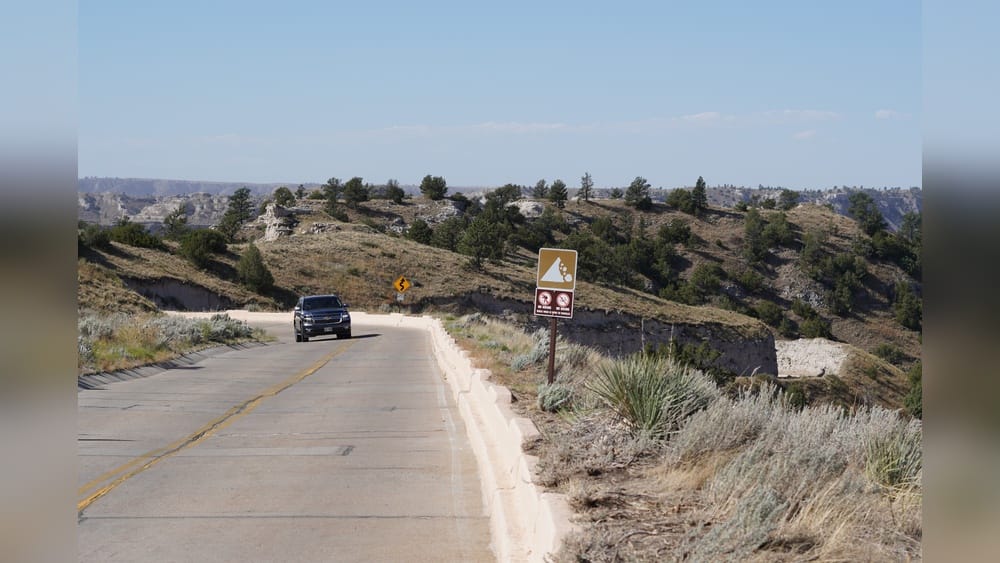

Imagine standing at the edge of a breathtaking trail, ready to explore nature’s beauty, but without a car to get you there. It might sound tricky, but hiking while traveling without a car is not only possible—it can be an adventure on its own.
You don’t need a vehicle to find stunning paths, hidden gems, or peaceful spots. You’ll discover simple, smart ways to reach incredible hiking trails using public transport, rideshares, or even your own two feet. Ready to unlock new adventures and make every step count?
Keep reading, and learn how to hike freely, no car required.
Planning Your Hiking Trip
Planning your hiking trip without a car takes some thought. You want to enjoy nature without worrying about transport. Careful planning makes your trip smooth and fun. Focus on trails that are easy to reach. Know your public transport options well. Pack only what you need for easy movement. This section helps you plan smartly for hiking without a car.
Choosing Accessible Trails
Pick trails near towns or cities with good transport links. Look for popular hiking spots with shuttle services or bus stops. Trails close to train stations save time and energy. Check trail length and difficulty to match your fitness level. Choose paths with clear signs and maps for easy navigation.
Researching Public Transportation Options
Find local buses, trains, or shuttles that go near your trail. Study schedules to avoid long waits or missed rides. Use transit apps or websites for up-to-date info. Know where to buy tickets and how to pay. Plan your return trip to avoid being stranded after hiking.
Packing Light For Mobility
Bring only essentials to keep your backpack light. Choose lightweight clothes and layers for changing weather. Carry enough water and snacks but avoid heavy packs. Use compact gear like foldable trekking poles and small first-aid kits. Light packing helps you move easily on public transport and trails.
Credit: www.bayareafastrak.org
Using Public Transit For Hiking
Using public transit for hiking makes travel easy and eco-friendly. It lets you explore trails without renting a car or paying for taxis. Many trailheads connect well to buses and trains in towns and cities. Knowing how to use these options saves money and reduces stress.
Plan your trip around bus and train schedules. This helps you reach the trailhead on time. Public transit also gives a chance to enjoy local views and meet new people. Carry a small backpack with essentials for a smooth hiking day.
Finding Bus And Train Routes To Trailheads
Start by checking local transit websites or apps. Enter your location and the trailhead name to find routes. Look for buses or trains that stop near the trail entrance. Some parks have shuttle services during peak seasons.
Maps and schedules often show the best stops. Note the bus number and direction before you go. Print a copy or save it on your phone for quick access. Ask locals or visitor centers for help if needed.
Timing Your Travel For Early Starts
Early starts help you avoid crowds and heat on the trail. Check the first bus or train leaving your lodging area. Plan to arrive at the trailhead at sunrise or soon after.
Leave extra time for walking from the stop to the trailhead. Some stops may be a short walk or a few minutes away. Early travel also means more daylight for hiking and returning safely.
Some routes require changing buses or trains. Know the names of transfer points and stops before you start. Listen for announcements or watch the display screens on transit.
Keep your transit ticket handy for transfers. Stay alert to avoid missing your stop. If unsure, ask the driver or fellow passengers for help.
Alternative Transportation Methods
Traveling without a car does not mean missing out on hiking adventures. Many alternative transportation methods can help you reach hiking trails easily. These options are budget-friendly and eco-friendly. They also offer a chance to explore local areas in new ways. Here are some practical ways to get around without driving.
Renting Bikes Or E-bikes
Bikes and e-bikes are great for reaching trails near towns or cities. You can rent them from local shops or bike rental services. E-bikes make uphill rides easier and save your energy for hiking. Riding a bike lets you enjoy the scenery and move at your own pace. It is a healthy and fun way to explore nature.
Using Ride-sharing Services
Ride-sharing apps provide a simple way to get to trailheads without a car. You can book a ride quickly on your phone. Drivers often know local roads and shortcuts. This method is flexible and saves parking troubles. Sharing a ride also reduces your carbon footprint while traveling.
Carpooling With Fellow Hikers
Carpooling connects you with other hikers going to the same place. Join hiking groups online or at local clubs to find rides. Sharing a car splits travel costs and creates new friendships. It helps reduce the number of vehicles on the road. Carpooling makes hiking trips more social and affordable.

Credit: imperfectidealist.com
Safety Tips On The Trail
Hiking without a car requires extra care to stay safe on the trail. Trails can be remote, and help might not be close. Preparing well keeps your adventure fun and worry-free. Focus on simple steps that protect you throughout your hike.
Staying Connected Without Cell Service
Cell phones often lose signal in remote areas. Carry a GPS device or a satellite messenger. These tools help you send your location if needed. Write down emergency numbers before you leave. Tell a trusted person how to reach you.
Carrying Essential Gear
Pack light but smart. Bring a map and compass as backup. Carry enough water and snacks for energy. Wear sturdy shoes and weather-appropriate clothes. A first aid kit is a must for small injuries. A whistle can help signal for help if needed.
Letting Someone Know Your Plans
Always share your hiking route and expected return time. Update them if your plans change. This helps others act quickly if you do not return. Safety grows when someone knows where you are heading.
Making The Most Of Your Hiking Experience
Hiking without a car can be a rewarding adventure. It allows you to explore nature in a fresh way. Planning well makes your hike smooth and enjoyable. This section helps you get the best from your hiking experience. Learn how to pick trails, avoid crowds, and capture memories with care.
Choosing Scenic And Popular Trails
Pick trails known for beautiful views. Scenic routes offer a chance to see nature at its best. Popular trails often have clear paths and signs. They are easier to reach by public transport or bike. Choose trails that match your fitness level. Check local guides or apps for trail info. This helps you find safe and enjoyable routes.
Timing Hikes To Avoid Crowds
Start your hike early in the morning. Trails are quieter at dawn and sunset. Weekdays usually have fewer hikers than weekends. Avoid holiday periods to escape large crowds. Hiking in off-season can also give you peace. Quiet trails let you enjoy nature’s sounds and views better. Plan your hike time to make it a calm experience.
Capturing Memories Responsibly
Take photos without disturbing wildlife or plants. Stay on the trail to protect nature. Avoid leaving any trash behind. Use your camera or phone to save special moments. Share your photos with respect for the environment. Remember, the best memories are those that keep nature safe.

Credit: www.amazon.com
Frequently Asked Questions
How Can I Find Hiking Trails Without A Car?
Use local transit apps and websites to locate nearby trails. Search for trails accessible by bus, train, or bike. Check tourism offices or hiking forums for public transport-friendly routes.
What Are The Best Transport Options For Hikers?
Public buses, trains, and bike rentals are ideal for hikers without cars. They offer flexible, eco-friendly ways to reach trailheads. Plan your route in advance for smooth travel.
How To Carry Hiking Gear Without A Car?
Use lightweight backpacks designed for hiking essentials. Pack only necessary items to keep weight manageable. Consider using foldable or compact gear for easy transport.
Can I Hike Safely Without A Car Nearby?
Yes, plan your hike with safety in mind. Inform someone about your route and expected return time. Carry a map, phone, and emergency supplies for added security.
Conclusion
Hiking while traveling without a car can be fun and simple. Use public transport or local rides to reach trails. Carry light gear for easy walking and quick moves. Plan your route with maps or apps to avoid getting lost.
Enjoy nature and fresh air wherever you go. Walking connects you to places in a special way. Adventure waits, even without a car. Just take one step at a time.