
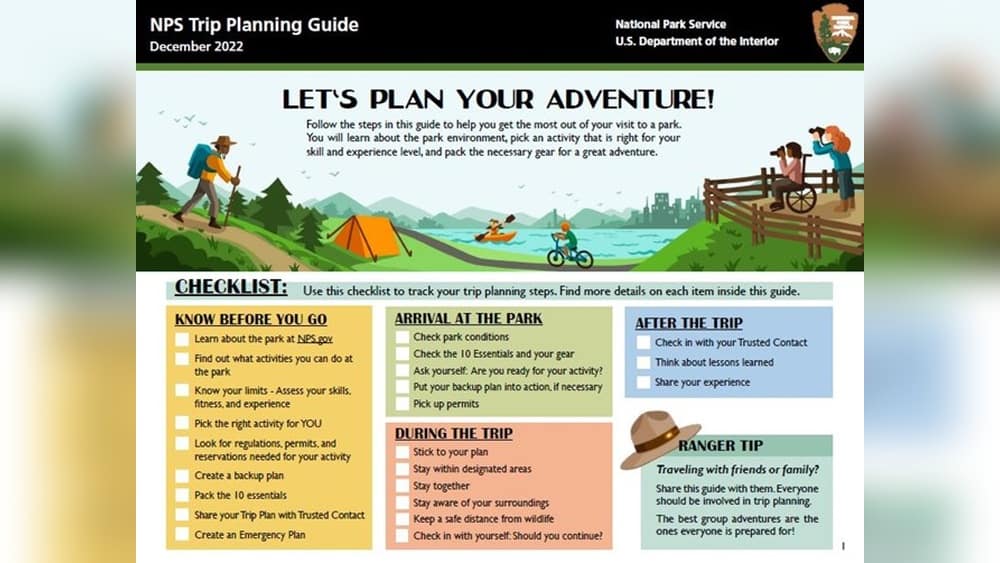

Planning hiking trips while traveling long-term can feel overwhelming. You want to explore beautiful trails but also need to balance time, gear, and safety.
What if you had a simple way to make every hike enjoyable and stress-free? Imagine waking up in a new place, knowing exactly where to go and what to pack for the perfect adventure. You’ll discover easy steps to plan your hiking trips so you can focus on the thrill of the trail and the joy of discovery.
Keep reading, and you’ll learn how to turn your travel days into unforgettable hiking memories.
:max_bytes(150000):strip_icc()/TAL-dolomites-lead-DOLOMITESTG1123-14220103213346f5a643fc6db0967caa.jpg)
Credit: www.travelandleisure.com
Choosing The Right Destinations
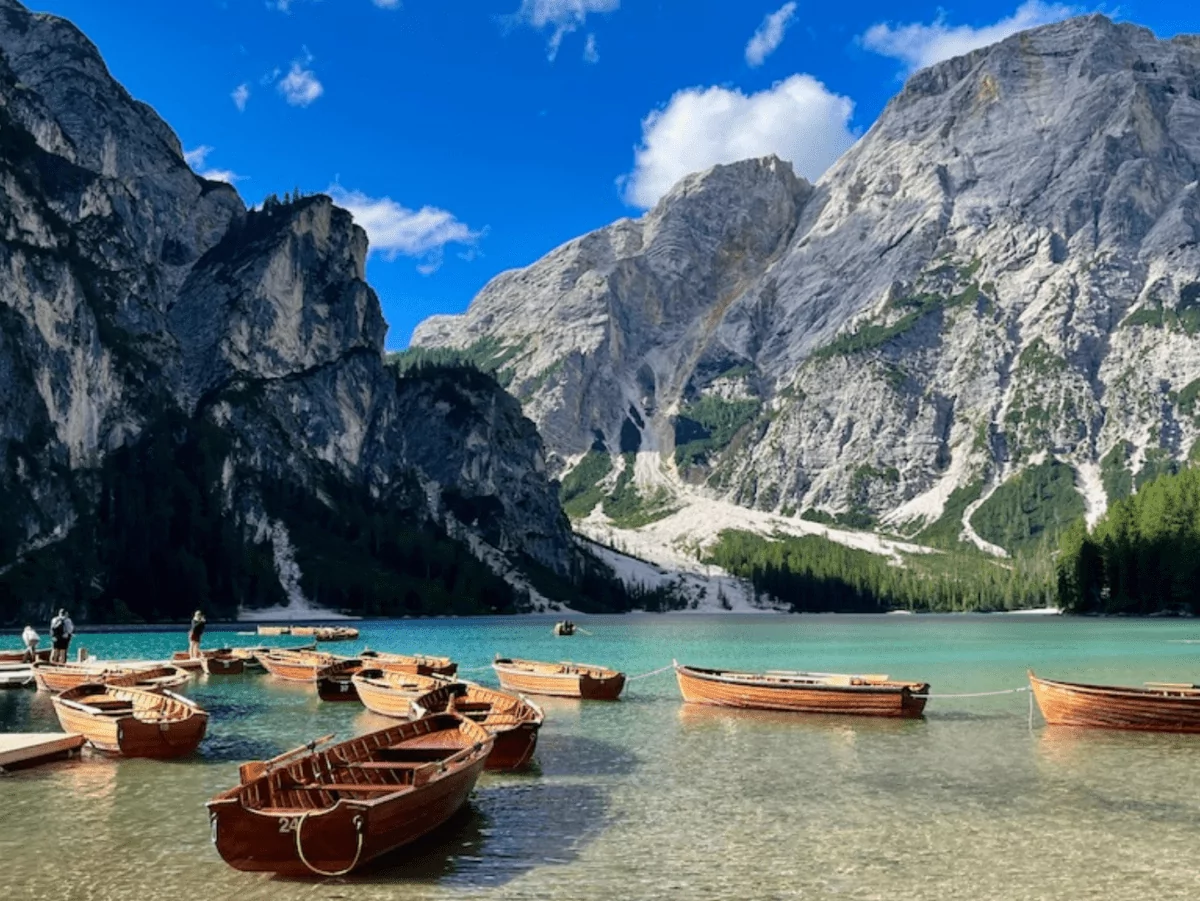
Choosing the right destinations is key for successful hiking trips during long-term travel. It shapes your entire experience. Picking spots that match your interests, skills, and travel plans makes your hikes more enjoyable. This section helps you find the best places to hike. It covers how to research trails, check climate, and match trail difficulty to your level.
Researching Popular Trails
Start by exploring popular trails in your travel region. Popular trails often have good maps and guides. They also offer safe and well-marked paths. Check hiking websites, travel blogs, and forums for trail recommendations. Look at photos and reviews to see what to expect. Popular trails are a great way to discover local nature and meet other hikers.
Considering Climate And Seasons
Climate affects your hiking comfort and safety. Choose destinations with good weather during your visit. Avoid rainy or extreme heat seasons. Some trails close during winter or monsoon. Research typical weather patterns before you go. Dress and pack according to the season. Timing your hikes with good weather improves your experience and reduces risks.
Assessing Trail Difficulty Levels
Not all trails suit every hiker. Check trail difficulty before choosing a destination. Trails vary from easy walks to tough mountain climbs. Consider your fitness and hiking experience. Start with easier trails if you are new or carrying heavy gear. Difficult trails need good preparation and equipment. Knowing trail difficulty helps you stay safe and enjoy your hike.
Packing Essentials For Hiking
Packing for hiking trips during long-term travel requires careful choices. Carrying the right items keeps you safe and comfortable on trails. Choose gear that fits your needs without weighing you down. Smart packing helps you enjoy every step of your adventure.
Selecting Lightweight Gear
Pick gear that is light but strong. A lightweight backpack makes carrying easier. Choose a compact tent or shelter if overnight stays are planned. Use a small, efficient stove and cookware to save space. Prioritize multi-use items to reduce what you carry.
Clothing For Various Conditions
Bring clothes for hot, cold, and wet weather. Layering works best to adjust to temperature changes. Start with moisture-wicking base layers to keep skin dry. Add insulating layers for warmth and a waterproof jacket for rain. Pack extra socks and a hat for sun or cold.
Always carry a map and a reliable compass. A GPS device or smartphone app can help but don’t rely only on them. Bring a whistle and a small first aid kit for emergencies. A headlamp or flashlight is vital for low light. These tools keep you safe and on track.
Budgeting For Hiking Adventures
Planning a hiking trip during long-term travel needs careful budgeting. Costs can add up quickly without a clear plan. Knowing your expenses helps keep your adventure fun and stress-free. This section breaks down key budgeting areas for hiking trips.
Estimating Costs For Permits And Fees
Many hiking trails require permits or entry fees. These costs vary by location and season. Research the trail’s official website for accurate prices. Some permits need early booking, which can save money. Budget extra for unexpected fees like parking or guide services.
Accommodation Options Near Trails
Places to stay near trails range from campsites to hotels. Campsites are usually cheaper but need gear. Hostels offer affordable dorm beds and a chance to meet others. Budget for occasional splurges on comfortable stays after long hikes. Book accommodations early to get the best rates.
Food And Supplies Planning
Food is a major part of your hiking budget. Plan meals that are lightweight and easy to cook. Buying local produce or groceries saves money. Carry snacks like nuts and energy bars for the trail. Don’t forget essential supplies like water filters and first aid kits.
Credit: wildlandtrekking.com
Scheduling And Time Management
Planning hiking trips during long-term travel needs smart scheduling and time management. Proper timing helps you enjoy hikes without missing other travel activities. It also keeps your energy high and avoids stress. Managing your time well lets you balance adventure and relaxation easily.
Balancing Hiking With Travel Plans
Set hiking days around your main travel itinerary. Avoid packing too many activities on the same day. Choose hikes that fit the time you have between travel stops. Keep some flexibility to move hikes if needed. This balance helps you enjoy both hiking and sightseeing.
Allowing Time For Rest And Recovery
Plan rest days after long or hard hikes. Your body needs time to heal and regain strength. Rest prevents injuries and keeps you ready for the next adventure. Even short breaks can improve your energy and mood. Rest days should be part of your hiking schedule.
Adapting Plans To Weather Changes
Check the weather forecast before hiking. Be ready to change your plans if the weather turns bad. Rain, wind, or extreme heat can make hiking unsafe. Have backup activities or easier trails as alternatives. Staying flexible protects your safety and keeps your trip fun.
Staying Safe On The Trails
Staying safe on hiking trails is crucial during long-term travel. Trails can change quickly. Weather, terrain, and wildlife all pose risks. Planning ahead helps you avoid danger. Being prepared keeps your adventure fun and secure.
Informing Others About Your Itinerary
Always share your hiking plan with someone. Tell a friend or family member where you go and when you return. Leave details about your route and expected time back. This helps others know where to find you if needed. Update them if plans change during your trip.
Recognizing And Avoiding Hazards
Watch for trail signs and warnings. Stay on marked paths to avoid getting lost. Beware of slippery rocks, loose soil, and steep drops. Keep an eye out for wildlife and know how to react. Avoid hiking in bad weather or low visibility. Carry a map and compass to help navigate safely.
Emergency Preparedness
Carry a basic first aid kit with bandages, antiseptic, and pain relief. Bring enough water and food for unexpected delays. Have a whistle or signal device to call for help. Learn simple first aid skills before your trip. Know the emergency numbers for the area you visit. A fully charged phone or a GPS device can save your life.
Connecting With Local Hiking Communities
Connecting with local hiking communities brings a new layer of adventure to long-term travel. It helps you meet people who know the trails well. These connections offer safety and fun during your hikes. Sharing experiences with locals makes your trips richer and more meaningful.
Joining Guided Tours Or Groups
Guided tours are great for beginners and solo travelers. Local guides show safe paths and share stories about the area. Groups offer chances to meet other hikers and make friends. These tours often include hidden spots not found in guides. Joining a group helps you stay motivated and enjoy the hike more.
Learning From Experienced Hikers
Experienced hikers share tips about weather, gear, and trail conditions. They teach how to read maps and use a compass. Listening to their advice can prevent mistakes and injuries. You also learn about local plants and wildlife. This knowledge makes hiking safer and more interesting.
Finding Hidden Gems
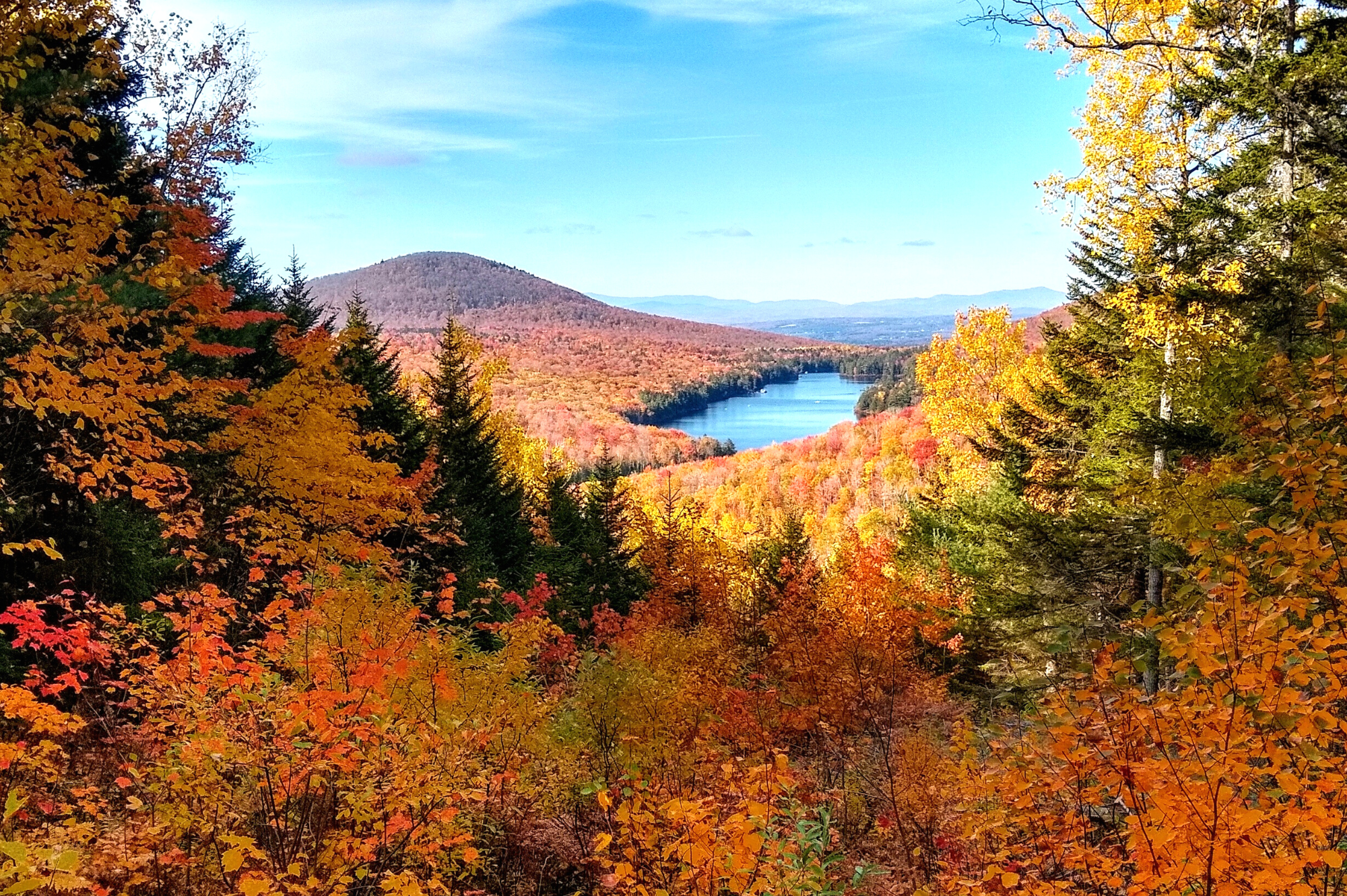
Local hiking communities know secret trails and less crowded spots. They recommend places with beautiful views and peaceful surroundings. These hidden gems offer unique experiences away from tourist paths. Exploring these areas feels like a special reward. Talking to locals helps you discover these treasures.
Credit: www.greenmountainclub.org
Frequently Asked Questions
How Do I Choose Hiking Trails When Traveling Long-term?
Research trails based on your fitness level, location, and season. Use apps and local guides for updated trail info. Prioritize safety and accessibility to enjoy your hikes fully.
What Essential Gear Should I Pack For Long-term Hiking Trips?
Pack lightweight, durable gear including a good backpack, hiking boots, weather-appropriate clothing, navigation tools, and first aid. Keep gear minimal to ease travel and adapt to different environments.
How Can I Stay Safe While Hiking In Unfamiliar Places?
Inform someone about your route and timing. Carry a map, compass, or GPS. Avoid hiking alone and check weather conditions before starting your hike.
How Do I Find Hiking Communities Or Groups While Traveling?
Join local hiking clubs, online forums, or social media groups. Use apps like Meetup to connect with fellow hikers. This enhances safety and enriches your hiking experience.
Conclusion
Planning hiking trips during long-term travel takes some thought and care. Choose trails that match your skill and energy levels. Pack light but bring essentials like water, snacks, and a first-aid kit. Always check weather and local rules before heading out.
Stay safe by telling someone your plans and sticking to marked paths. Enjoy the nature and the adventure. Hiking adds a special touch to your travel experience. Keep exploring, stay curious, and make each hike a memorable part of your journey.