


Are you ready to discover breathtaking trails far from home? Hiking while traveling internationally can turn your trip into an unforgettable adventure.
But before you lace up your boots, there are a few important things you need to know. From packing smart to understanding local rules, these tips will help you stay safe and enjoy every step. Keep reading, and get ready to make your next international hike the highlight of your travel experience.

Credit: www.goddessretreats.com
Choosing The Right Destination
Choosing the right destination for hiking during international travel can shape your entire experience. The place you pick should fit your fitness level, interests, and travel plans. Some countries offer famous trails and scenic views. Others may have less crowded paths and unique nature. Knowing what each destination offers helps you prepare well and enjoy your hike fully.
Think about climate, trail difficulty, and local culture. Each factor affects your safety and fun. This guide covers popular hiking countries, seasonal tips, and terrain types. Use it to find a spot that matches your adventure goals.
Popular Hiking Countries
Many travelers choose countries known for excellent hiking. Switzerland has clean trails and stunning mountains. New Zealand offers diverse landscapes and well-marked paths. Peru is famous for the Inca Trail to Machu Picchu. Canada has vast forests and rugged wilderness. These places attract hikers of all skill levels. They also provide good facilities and safety measures.
Seasonal Considerations
Season affects trail conditions and weather. Summer is great for high mountain hikes in Europe. Winter can close trails or make them dangerous. Tropical countries have wet and dry seasons. The dry season usually provides safer and clearer trails. Check the best time to visit your chosen country. Avoid monsoon or extreme cold periods to stay safe.
Terrain Types
Different trails have different surfaces and landscapes. Some are flat and easy, good for beginners. Others are steep, rocky, or involve river crossings. Mountain trails need good fitness and proper gear. Forest paths may be muddy and slippery after rain. Coastal trails offer sea views but may have uneven ground. Pick a terrain type that fits your skill and comfort level.
Preparing For International Hiking
Hiking in a foreign country can be exciting and rewarding. Proper preparation helps avoid problems. Knowing what to bring, rules to follow, and health tips is important. This section explains key steps to prepare for hiking abroad.
Necessary Permits And Regulations
Research the hiking area’s rules before traveling. Some places require permits to enter or camp. Obtain these permits early to avoid delays. Check local regulations about trail use and protected areas. Respect all signs and guidelines to protect nature and stay safe.
Packing Essentials
Pack light but smart. Bring sturdy hiking shoes and weather-appropriate clothes. Include a map or GPS device. Carry enough water and snacks for the hike. A first aid kit is important for emergencies. Don’t forget sun protection like hats and sunscreen. Keep your passport and permits in a safe place.
Health And Safety Precautions
Get any needed vaccines before traveling. Check for local health risks such as insects or diseases. Carry insect repellent and medications as advised. Inform someone about your hiking plans and expected return. Avoid hiking alone in remote areas. Know emergency numbers and nearest medical centers.
Traveling to new countries for hiking offers more than just beautiful trails. It also means entering different cultures and customs. Understanding local ways helps you enjoy the experience more. It shows respect to the people and places you visit.
Respecting Local Traditions
Each place has unique customs. Some may seem unusual at first. Dress codes might be strict near sacred sites. Loud talking or eating in public could be frowned upon. Learn what is polite and what is not. Small actions show your respect. It helps you avoid offending anyone.
Language Tips For Hikers
Knowing a few local words goes far. Simple phrases like “hello,” “thank you,” and “please” open doors. Locals appreciate the effort. Carry a small phrasebook or use a language app. Speak slowly and clearly. Use gestures if needed. It builds friendly connections on your hike.
Engaging With Local Guides
Local guides bring trails to life. They share stories about the land and people. Guides know safe paths and hidden gems. Hiring them supports the local economy. Ask questions and listen carefully. Their knowledge enriches your adventure.
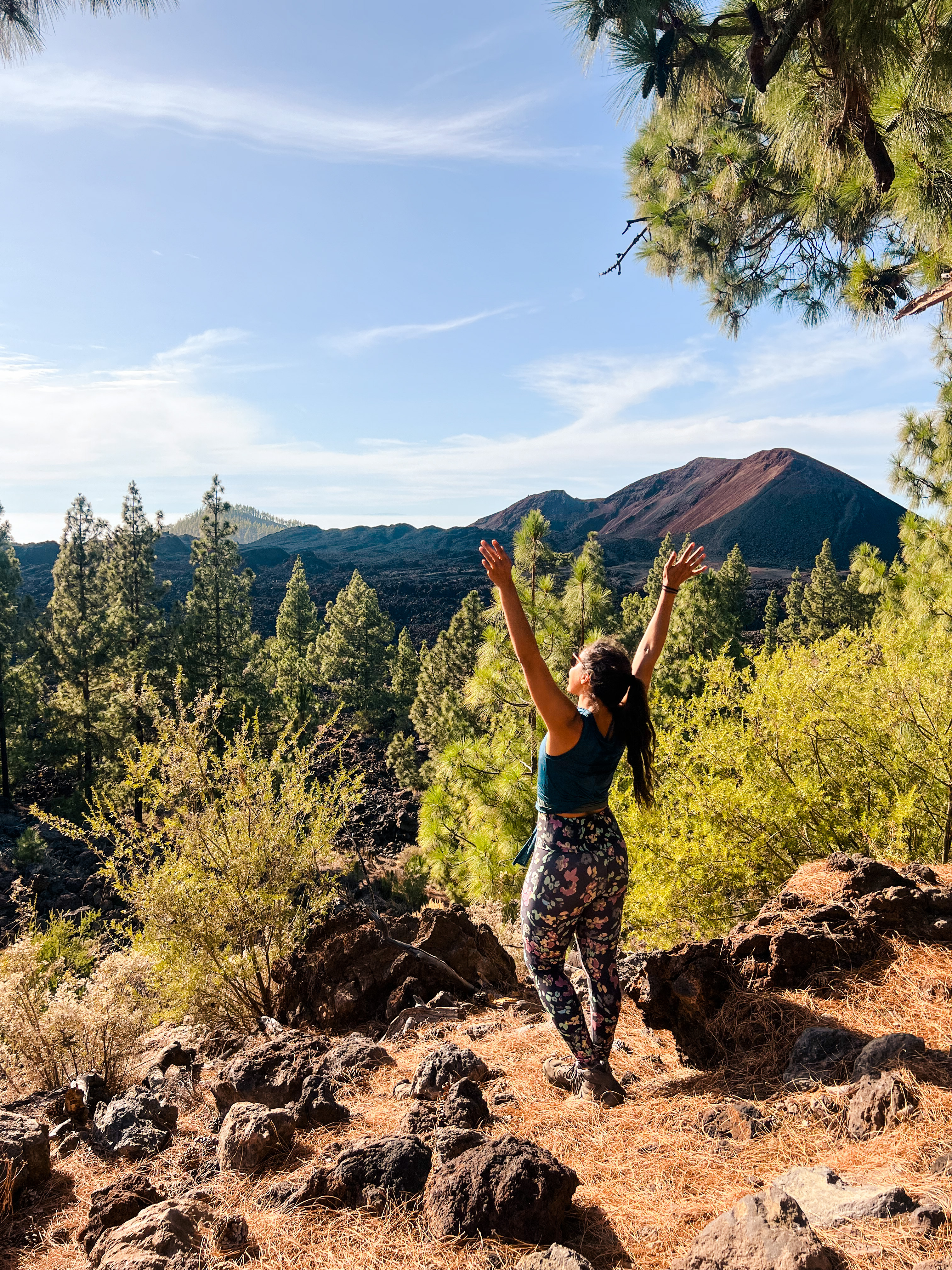
Credit: obozfootwear.com
Managing Travel Logistics
Managing travel logistics is a key part of hiking while traveling internationally. It helps make your trip smooth and stress-free. Planning how to reach trailheads, finding places to stay, and handling time zone changes are crucial steps. These reduce surprises and let you enjoy your adventure.
Transport To Trailheads
Check transport options before your trip. Some trailheads are easy to reach by bus or taxi. Others need a rented car or shuttle. Research local transport schedules and costs. Book rides early in busy seasons. Keep important addresses and contact numbers handy.
Accommodation Options
Choose accommodation near your hiking spots. Options include hostels, guesthouses, and campsites. Booking in advance secures your spot. Look for places with good reviews and safety. Some hikers prefer staying in small towns for local culture.
Dealing With Time Zones
Adjust your watch to the local time as soon as you arrive. This helps your body adapt quickly. Plan your hiking start times to match daylight hours. Rest well to avoid fatigue. Avoid heavy hiking on your first day after travel.
Staying Connected And Informed
Staying connected and informed is vital for hiking in foreign countries. It helps you stay safe and enjoy your adventure more. Knowing how to use technology, find emergency contacts, and check weather updates can make your trip smoother.
Using Technology On Trails
Carry a smartphone with GPS and offline maps. Download trail maps before starting your hike. Use apps that work without internet. A portable charger can keep your devices powered. Share your route with someone at home. Technology can guide you and keep you safe.
Emergency Contacts Abroad
Save local emergency numbers on your phone. Know how to call for help in that country. Carry a physical list of important contacts. Include your embassy or consulate information. Share these contacts with your hiking partners. Quick access to help matters.
Weather Monitoring
Check the weather forecast daily before hiking. Use apps that update weather in real time. Watch for sudden changes in sky and wind. Bring clothing for rain and cold, just in case. Knowing the weather can prevent dangerous situations.

Credit: weillcornell.org
Environmental Responsibility
Hiking in a new country offers amazing views and fresh experiences. Protecting nature during these adventures matters a lot. Taking care of the environment helps keep trails and wildlife safe for future visitors. Simple actions can make a big difference. Respecting nature is part of being a responsible traveler.
Leave No Trace Principles
Leave no trace means leaving the trail as you found it. Carry out all trash, even food scraps. Stay on marked paths to avoid hurting plants. Avoid carving or marking trees and rocks. Leave natural and cultural items where you find them. These steps keep the environment clean and healthy.
Protecting Wildlife
Wild animals should not be disturbed or fed. Keep a safe distance to avoid scaring them. Noise can stress animals, so stay quiet on trails. Do not touch or chase animals. Respect their homes and natural behaviors to help them thrive.
Supporting Local Conservation Efforts
Support local parks and reserves by paying entrance fees. Join guided tours led by local experts. Buy from small shops that promote eco-friendly products. Volunteering for clean-up or planting projects helps too. These actions boost local efforts to protect nature.
Frequently Asked Questions
What Gear Is Essential For International Hiking Trips?
Essential gear includes sturdy boots, weather-appropriate clothing, a reliable backpack, and a first aid kit. Always carry navigation tools like maps or GPS. Check local conditions to pack wisely. Lightweight and multi-purpose items save space and enhance comfort during your hike abroad.
How To Prepare Physically For Hiking Abroad?
Train with regular cardio and strength exercises focusing on legs and core. Practice hiking with a loaded backpack. Gradually increase distance and elevation. This prepares your body for diverse terrains and altitudes, reducing injury risk and improving endurance during your international hiking adventures.
Are Permits Required For Hiking Internationally?
Permit requirements vary by country and trail. Research your destination’s regulations early. Some popular trails need advance permits or fees. Always check official government or park websites. Obtaining permits legally ensures access and helps preserve natural areas for future hikers.
How To Stay Safe While Hiking Overseas?
Stay informed about local wildlife, weather, and trail conditions. Share your itinerary with someone reliable. Carry a charged phone and emergency contacts. Avoid hiking alone in unfamiliar areas. Trust local advice and remain alert to your surroundings for a safer hiking experience abroad.
Conclusion
Hiking while traveling abroad offers unique and exciting experiences. Always research trails and local rules before you go. Pack smart and carry essentials for safety and comfort. Respect nature and local cultures to enjoy your adventure fully. Stay aware of weather changes and trail conditions.
Choose hikes that match your fitness level and interests. This way, you create lasting memories and stay safe. Happy hiking on your international trips!