
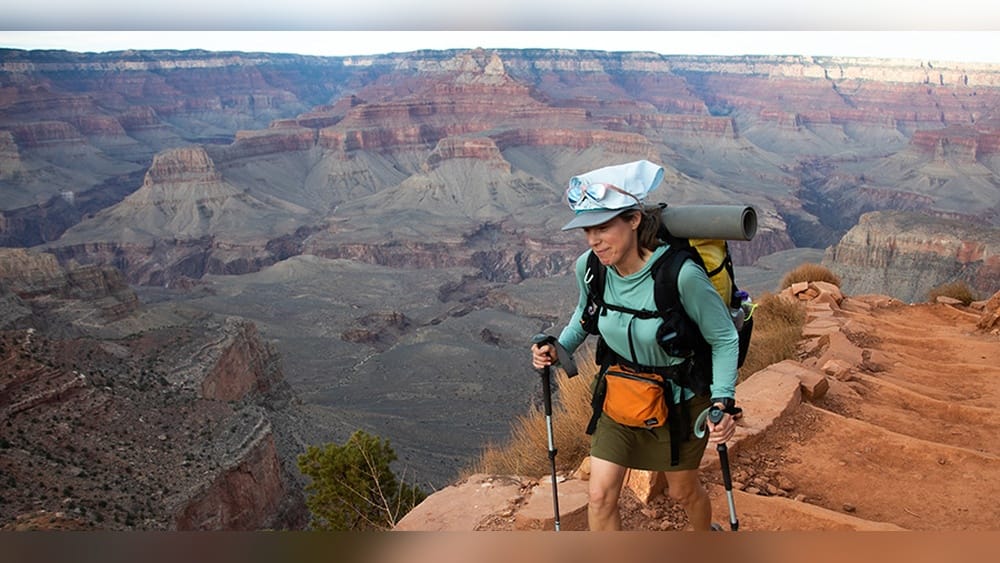

Looking for a hiking adventure that lets you explore freely without the hassle of guides or permits? You’re in the right place.
Imagine hitting the trail on your own terms, discovering hidden gems, and enjoying nature without extra rules or costs. This guide will show you the best hiking trips where you call the shots. Ready to find your next escape? Keep reading, and let’s make your next hike simple, exciting, and completely yours.
Top Guide-free Trails
Exploring trails without guides or permits offers freedom and adventure. These routes let hikers enjoy nature at their own pace. No need to plan for permits or wait for guide availability. Just pack your gear and set off. Such trails are perfect for solo travelers and small groups seeking simplicity.
Many of these paths are well-marked and safe. They range from easy walks to more challenging hikes. Both beginners and experienced hikers find great options. The right trail depends on your fitness and interests. Discovering these guide-free routes can lead to new favorite spots.
Popular Local Routes
Many local trails offer scenic views without any permits. These routes are close to towns or cities. Hikers often choose them for day trips or quick escapes. Well-known paths include forest loops, river walks, and hill climbs. The trails have clear signs and maintained paths. They provide easy access to nature for beginners. Families and casual hikers enjoy these safe and simple routes.
Hidden Gems Off The Beaten Path
Some trails remain less crowded and less known. These hidden gems offer peaceful walks and unique landscapes. They may run through quiet valleys, lesser-known forests, or along secluded lakes. These paths often lack official guides or permits. Adventurous hikers find joy in exploring these spots. The trails require good map reading and preparation. Discovering these gems brings a sense of true adventure and solitude.
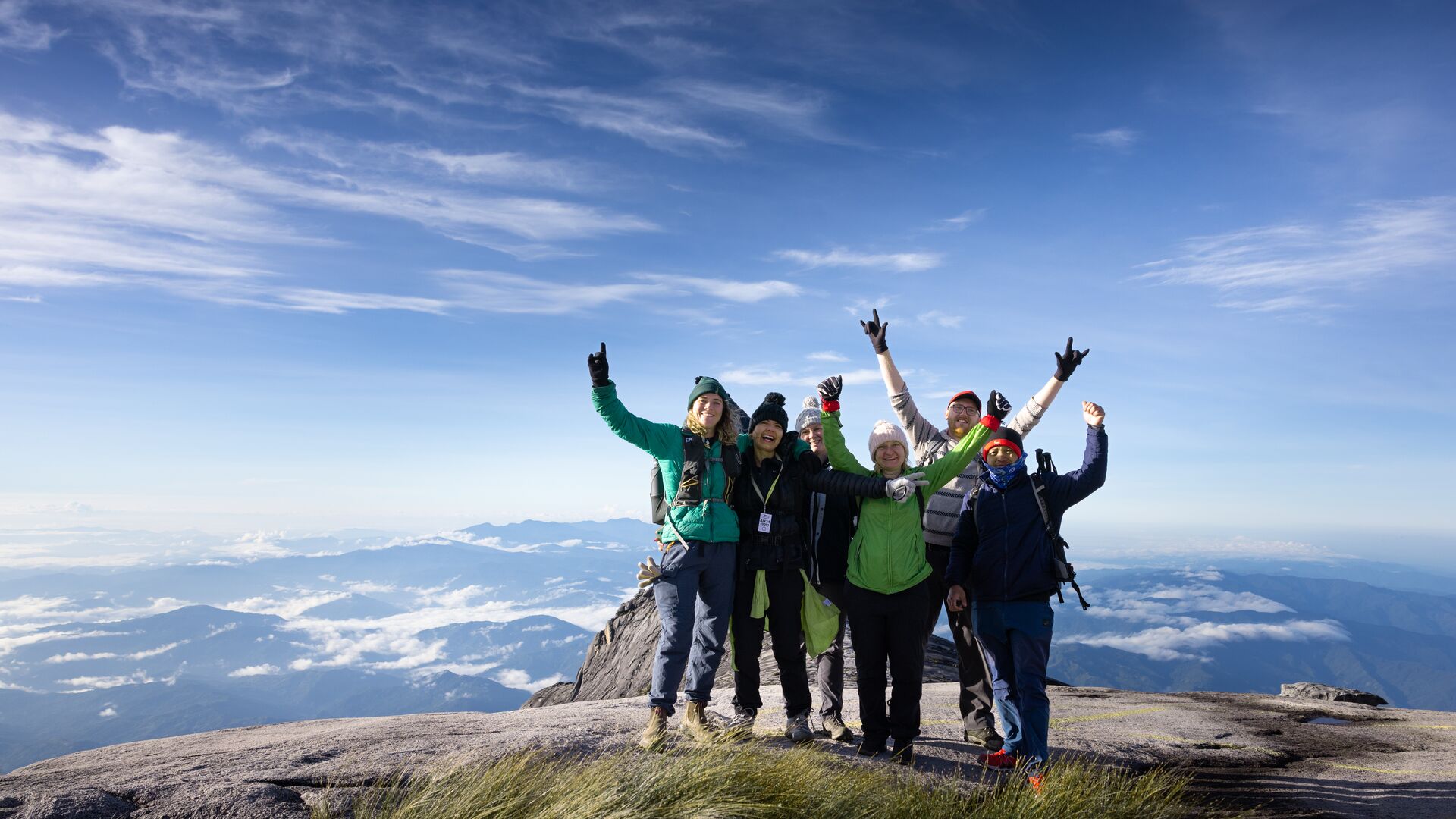
Credit: www.intrepidtravel.com
Essential Gear For Self-guided Hikes
Preparing for a self-guided hike means packing the right gear. This gear keeps you safe and comfortable on the trail. It helps you find your way without a guide or permit. Carrying essential items is key to a smooth hiking trip.
A map and compass are must-haves for any hike. They help you stay on track and avoid getting lost. A GPS device can be useful but should not replace traditional tools. Always carry a backup power source for electronic devices. Know how to use all navigation tools before starting your hike.
Safety Equipment
Bring a basic first aid kit to handle minor injuries. Carry a whistle to signal for help if needed. A headlamp or flashlight is important for visibility after dark. Pack a multi-tool for small repairs or emergencies. Always have enough water and a way to purify more if needed.
Comfort And Clothing
Wear layers to adjust to changing weather conditions. Choose moisture-wicking fabrics to stay dry and comfortable. A wide-brimmed hat protects from sun exposure. Good hiking boots prevent blisters and provide support. Carry rain gear to stay dry during unexpected showers.
Planning Your Trip
Planning a hiking trip without guides or permits needs good preparation. Careful planning helps you stay safe and enjoy your adventure. Think about the trail, what to bring, and the weather. Each part is important for a smooth trip.
Researching Trail Conditions
Check the trail’s difficulty and length. Look for recent updates about closures or hazards. Read reviews from other hikers to know what to expect. Know the trail surface and elevation changes. This helps you pick a trail that fits your skills.
Packing Smart
Bring only what you need to keep your pack light. Essentials include water, snacks, a map, and a first aid kit. Wear comfortable shoes and dress in layers. Pack rain gear if the weather might change. Prepare for emergencies with a flashlight and whistle.
Timing And Weather Considerations
Start early to avoid the heat and crowds. Check the weather forecast before you leave. Avoid hiking during storms or extreme temperatures. Plan your trip length to finish before dark. Knowing the weather helps you stay safe and comfortable.
Safety Tips For Solo And Group Hikes
Safety is the top priority for any hiking trip. Whether hiking alone or with a group, good safety habits protect you and others. Preparing before and during the hike keeps dangers away and makes the experience more enjoyable. Simple steps can prevent accidents and help in emergencies.
Staying On Marked Trails
Always follow marked trails. Trails are designed to keep hikers safe and protect nature. Wandering off can cause injuries or getting lost. Signs and trail markers guide you through safe paths. Staying on trails helps preserve plants and wildlife habitats too.
Emergency Preparedness
Carry a basic first aid kit and know how to use it. Bring a whistle or other noise maker to signal for help. Keep a fully charged phone or GPS device. Let someone know your hiking plan and expected return time. Pack extra water, food, and warm clothing for unexpected delays.
Wildlife Awareness
Observe animals from a distance. Do not feed or approach wildlife. Stay calm if you encounter animals. Avoid loud noises that may disturb them. Learn about local animals and their habits before your trip. Carry bear spray if hiking in bear country and know how to use it.
Leave No Trace Principles
The Leave No Trace principles guide hikers to protect nature during their trips. These rules help keep trails and parks clean and safe for animals and plants. Following them means less damage to the environment and a better experience for everyone.
Minimizing Environmental Impact
Stay on marked trails to avoid harming plants and soil. Walk carefully around delicate areas like meadows and wetlands. Carry out all trash, including small bits like wrappers or tissues. Avoid picking flowers or disturbing wildlife. Use reusable containers to reduce waste and pollution.
Responsible Camping Practices
Set up camp in spots already used by other hikers. Keep fires small and use established fire rings if allowed. Use a camp stove for cooking to protect trees and soil. Pack out all your trash, leftover food, and litter. Leave the campsite as clean or cleaner than you found it.
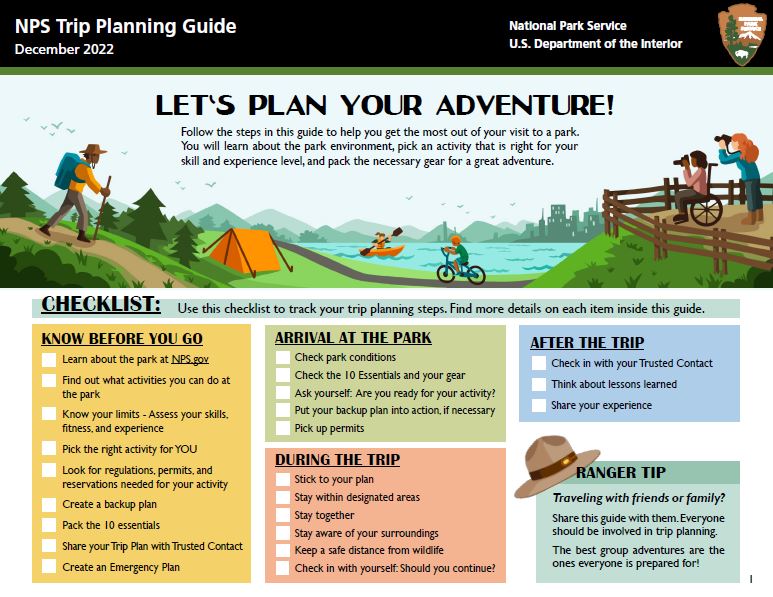
Credit: www.nps.gov
Benefits Of Guide-free Hiking
Hiking without guides or permits offers many benefits. It lets you explore nature on your own terms. You decide where to go and how long to stay. This freedom creates a unique and personal experience. It also helps you save money and build confidence in your skills.
Flexibility And Freedom
Hiking without a guide gives you full control. You can change your route anytime you want. No strict schedules or group plans. Stop and rest whenever you feel tired. Explore hidden spots others might miss. This freedom makes the adventure more enjoyable and relaxed.
Cost Savings
Skipping guides and permits cuts down costs. No fees for guided tours or special permissions. Save money on booking and extra services. Spend your budget on gear or food instead. This makes hiking more affordable for everyone.
Personal Growth And Confidence
Hiking alone improves problem-solving skills. You learn to read maps and navigate trails. Facing challenges builds self-reliance and courage. Each trip boosts your confidence in nature. It feels great to rely on yourself outdoors.
Credit: www.nps.gov
Frequently Asked Questions
What Are The Best Hiking Trips Without Guides Or Permits?
Some popular hikes without guides or permits include national forest trails, local state parks, and well-marked public lands. These areas offer scenic routes and are easy to access. Always check local regulations before your trip to ensure no permits are required.
Are These Hikes Safe For Beginners To Attempt Alone?
Yes, many no-guide hikes are beginner-friendly with clear trails and moderate difficulty. However, always prepare by researching the trail, carrying essentials, and informing someone about your plans for safety.
How Can I Find Trails That Don’t Require Permits?
Use official park websites, hiking apps, and local outdoor forums to find permit-free trails. Look for public lands and national forests where permits are rarely needed. Always verify current rules before heading out.
Do These Hikes Offer Scenic Views And Natural Attractions?
Absolutely. Many permit-free hikes pass through beautiful forests, mountains, lakes, and wildlife habitats. They provide excellent opportunities for photography, birdwatching, and enjoying nature without extra costs.
Conclusion
Exploring hiking trails without guides or permits offers great freedom. You can enjoy nature at your own pace. These trips help save money and plan easily. Always prepare well and stay safe on the path. Respect the environment and leave no trace behind.
Simple adventures like these bring peace and joy. Try one soon and feel the calm of the outdoors. No need for extra steps or worries. Just pack your bag and start walking. Nature awaits your next hike.