

Planning a trip to Vietnam? Knowing the best and worst times to visit can make all the difference in your experience.
You want to enjoy beautiful weather, avoid crowds, and get the most out of your adventure. But when exactly should you go? This guide will help you discover the perfect months to explore Vietnam’s stunning landscapes and vibrant culture – and warn you about the times you might want to stay away.
Keep reading to make sure your trip is unforgettable for all the right reasons.

Credit: authentiktravel.com
Peak Seasons
Peak seasons in Vietnam bring a mix of excitement and challenges for travelers. These times draw crowds due to pleasant weather, cultural events, and holidays. Knowing the best and worst moments within peak seasons helps plan a trip that fits your style. Vietnam’s peak travel months often fall between November and April. This period offers clear skies and moderate temperatures across most regions. Yet, it also means busy tourist spots and higher prices. Understanding peak seasons means balancing the joy of vibrant experiences against the bustle of holiday crowds and weather shifts.
Holiday Crowds
During Vietnam’s peak seasons, popular destinations can become very crowded. Many locals and tourists travel during national holidays and school breaks. The busiest times include:
- Tet Holiday (Vietnamese New Year): Usually late January or early February. A huge travel surge as families reunite.
- Christmas and New Year: Many international visitors arrive, especially in cities like Hanoi and Ho Chi Minh.
- Summer break: June to August sees many families traveling domestically.
Hotels and attractions fill up quickly. Booking early is a must during these times. Expect:
- Long lines at popular sites
- Higher prices for flights and accommodations
- Busy streets and transport hubs
Travelers who prefer calm should avoid these peak holiday weeks. For those who enjoy a lively atmosphere, these periods showcase Vietnam’s culture at its most energetic.
Festivals And Events
Vietnam’s peak seasons coincide with many festivals. These events bring locals and tourists together for colorful celebrations. Notable festivals include:
- Tet Nguyen Dan (Lunar New Year): The biggest festival, with fireworks, parades, and traditional rituals.
- Mid-Autumn Festival: Celebrated with lanterns, mooncakes, and family gatherings, usually in September or October.
- Hue Festival: A cultural event every two years featuring music, art, and historical reenactments.
Festivals offer a chance to experience authentic Vietnamese culture. Yet, they also draw crowds and can cause price spikes. Some festivals last several days, impacting local transport and accommodation availability. A table below shows key festivals and their typical dates:
| Festival | Month | Highlights |
|---|---|---|
| Tet Nguyen Dan | January/February | Fireworks, family reunions, traditional food |
| Mid-Autumn Festival | September/October | Lantern parades, mooncakes, children’s activities |
| Hue Festival | Every 2 years, April | Music, art shows, cultural performances |
Plan ahead during festival times to enjoy events without stress.
Weather Conditions
Vietnam’s weather varies greatly from north to south. Peak seasons often align with the best weather in most areas. Understanding weather helps pick the right travel time. The climate features:
- North Vietnam: Cool and dry from November to April. Winter months can be chilly, especially in Hanoi and Sapa.
- Central Vietnam: Dry and warm from February to August. Typhoon risk rises from September to November.
- South Vietnam: Warm year-round. Dry season runs from December to April with less rain and lower humidity.
Here’s a quick summary:
| Region | Best Weather Months | Notes |
|---|---|---|
| North | November – April | Cool, dry, ideal for city and mountain visits |
| Central | February – August | Warm, dry; typhoon risk later in year |
| South | December – April | Hot, dry; best for beach and Mekong Delta |
Rain and storms outside these months may disrupt travel plans. Peak season weather usually favors outdoor activities and sightseeing. Travelers should pack layers for northern cool spells and sun protection for southern heat.
Low Seasons
The low seasons in Vietnam offer a different travel experience than the busy times. These months have fewer tourists and often come with unique challenges. Many visitors avoid the low seasons because of weather or holidays. Yet, these times can be perfect for travelers who want calm and good deals. Understanding the low seasons helps plan trips that match your needs and budget.
Rainy Periods
Vietnam’s low seasons often mean more rain. The country has two main rainy periods, split by region:
| Region | Rainy Season | Weather Characteristics |
|---|---|---|
| North Vietnam (Hanoi, Ha Long Bay) | May to October | Heavy showers, high humidity, occasional storms |
| South Vietnam (Ho Chi Minh City, Mekong Delta) | May to November | Afternoon rain, warm temperatures, sudden downpours |
| Central Vietnam (Hue, Da Nang, Hoi An) | September to December | Typhoon risk, flooding, cloudy days |
Rain can disrupt outdoor plans, but it rarely lasts all day. Short bursts of rain often clear quickly, leaving time for sightseeing. Travelers who don’t mind wet weather can enjoy:
- Cooler temperatures compared to hot dry seasons
- Green, lush landscapes
- Less crowded streets and attractions
Packing a light raincoat and waterproof shoes helps. Plan indoor activities or flexible schedules during heavy rain days.
Tourist Discounts
Low season means fewer tourists. Businesses lower prices to attract visitors. Travelers can save a lot on:
- Hotels and hostels
- Domestic flights and buses
- Tour packages and entrance fees
- Restaurants and local markets
Hotels often cut rates by 20-50% during the low season. Airlines may offer cheaper tickets on less busy routes. Tour operators reduce prices to fill seats.
Here is a quick look at typical discounts in low season:
| Service | High Season Price | Low Season Price | Discount |
|---|---|---|---|
| Hotel Room (3-star) | $40-$60 per night | $20-$35 per night | 30%-50% off |
| Domestic Flight (Hanoi to Ho Chi Minh) | $50-$80 | $30-$50 | 30%-40% off |
| Guided Day Tour | $30-$50 | $20-$35 | 25%-40% off |
Booking during the low season brings extra value. Travelers can enjoy the same services for less money. This suits budget travelers and those who want to extend their stay.
Quiet Attractions
Low seasons bring peace to busy spots. Popular tourist places are less crowded. This lets visitors explore at a calm pace.
Some benefits of visiting during the low season:
- Easy access to famous sites without long lines
- Better photo opportunities without crowds
- More relaxed atmosphere for sightseeing and dining
Examples of usually busy attractions that are quiet in low season:
- Ha Long Bay: Fewer boats and tourists on cruises
- Hoi An Ancient Town: Calm streets and empty cafes
- Phong Nha Caves: Less waiting to enter the caves
- Ho Chi Minh City Museums: Quiet spaces for a peaceful visit
Visitors can enjoy a more personal and authentic experience. Locals may also be friendlier without the pressure of large crowds.
Regional Climate Differences
Vietnam’s climate varies greatly from north to south. This means the best time to visit depends on the region. Understanding these regional climate differences helps plan a better trip. Each area has its own rainy and dry seasons, temperature changes, and weather patterns. Knowing these details avoids bad weather and makes the journey more enjoyable.
Northern Vietnam
Northern Vietnam has four distinct seasons: spring, summer, autumn, and winter. The weather changes a lot throughout the year. Winters (December to February) are cool and dry, with temperatures sometimes dropping below 15°C (59°F). Summers (May to August) are hot and humid, with heavy rain and occasional storms.
- Best time to visit: October to December and March to April.
- Worst time: June to August due to heavy rain and heat.
Spring and autumn bring mild temperatures and less rain. These months are great for outdoor activities and sightseeing. Winter can be chilly, especially in mountainous areas like Sapa. Rainfall is low, but the cold can surprise travelers. Northern cities like Hanoi and Ha Long Bay have different weather from the mountains. Always check local forecasts before planning trips to highlands.
| Season | Average Temperature | Rainfall | Travel Tips |
|---|---|---|---|
| Winter (Dec-Feb) | 10-18°C (50-64°F) | Low | Bring warm clothes for chilly days |
| Summer (May-Aug) | 25-35°C (77-95°F) | High | Expect heavy rain and storms |
| Spring/Autumn (Mar-Apr, Sep-Nov) | 18-28°C (64-82°F) | Moderate | Perfect for sightseeing and hiking |
Central Vietnam
Central Vietnam has a tropical climate with two main seasons: dry and rainy. The dry season runs from January to August, bringing warm and sunny weather. The rainy season lasts from September to December. This period often brings typhoons and heavy floods, especially in coastal cities like Da Nang and Hoi An.
- Best time to visit: February to August for beach activities and sightseeing.
- Worst time: September to December due to storms and floods.
The weather in the Central Highlands is cooler than the coast. Places like Da Lat have mild temperatures year-round. Visitors enjoy the fresh climate and fewer tourists here during the rainy season. The coast can be hot and humid in the dry months. Travelers should carry sunscreen and stay hydrated. Central Vietnam offers beautiful beaches and historic sites, best enjoyed in dry weather.
| Season | Weather | Risks | Travel Tips |
|---|---|---|---|
| Dry Season (Jan-Aug) | Warm, sunny | Low | Ideal for beaches and outdoor tours |
| Rainy Season (Sep-Dec) | Wet, stormy | High (typhoons) | Avoid coastal areas during storms |
Southern Vietnam
Southern Vietnam has a tropical climate with two clear seasons: wet and dry. The dry season runs from November to April with warm and sunny days. The wet season lasts from May to October, bringing heavy afternoon rains and high humidity. Ho Chi Minh City and the Mekong Delta have this climate pattern.
- Best time to visit: November to April for dry and comfortable weather.
- Worst time: May to October due to frequent rain showers.
The wet season is not always bad. Rain usually falls in short bursts, leaving time for activities. The landscape turns lush and green during these months. Traveling in the dry season means less rain but hotter temperatures. Southerners enjoy outdoor markets, river tours, and city life best in dry months. Visitors should carry light rain gear in the wet season.
| Season | Weather | Rainfall | Travel Tips |
|---|---|---|---|
| Dry Season (Nov-Apr) | Warm, sunny | Low | Perfect for city tours and river cruises |
| Wet Season (May-Oct) | Hot, humid | High | Carry an umbrella and plan indoor options |
Special Occasions
Vietnam offers unique experiences during special occasions. These events show rich culture and vibrant traditions. Visiting Vietnam during these times can be very exciting. Tourists can enjoy colorful celebrations, local foods, and community spirit. Yet, some events may also bring crowds and higher prices. Knowing about these special occasions helps plan the best trip.
Tet Festival
Tet Festival is the Vietnamese Lunar New Year. It is the most important celebration in Vietnam. It usually happens between late January and February. Tet marks the start of spring and a fresh new year. People clean their homes and prepare special meals. Family reunions are a big part of the festival.
During Tet, streets fill with decorations and flower markets. Many businesses close for several days. Visitors see traditional rituals like:
- Lighting incense to honor ancestors
- Giving lucky money in red envelopes
- Dragon and lion dances in the streets
Travel tips for Tet Festival:
| Aspect | Details |
|---|---|
| Best Time to Visit | Before or after Tet to avoid closures |
| Atmosphere | Festive and joyful with colorful events |
| Travel Challenges | Transport and accommodation may be crowded |
| Unique Experience | Join local traditions and community celebrations |
Visiting during Tet means experiencing Vietnam’s heart and soul. Yet, it is wise to book early and prepare for busy places.
Mid-autumn Festival
The Mid-Autumn Festival happens in September or October. It celebrates the harvest and the full moon. This festival is popular with families and children. Streets glow with lanterns of many shapes and colors. Mooncakes, a special round pastry, are shared among friends and family.
Key highlights of the Mid-Autumn Festival include:
- Children carrying lanterns and singing songs
- Dragon dances and street performances
- Moon-viewing gatherings at parks and temples
Why visit during Mid-Autumn Festival?
- Enjoy a calm, joyful atmosphere.
- See beautiful lantern displays at night.
- Taste unique seasonal treats like mooncakes.
- Experience family traditions and cultural shows.
Travelers find this festival a perfect chance to learn local customs in a relaxed setting. It is less crowded than Tet but still full of charm. Booking accommodation early is recommended for city areas.
Travel Tips By Month
Vietnam offers diverse weather throughout the year, making travel planning important. Each month brings different climates and events across the country. Knowing the best and worst months helps pick the right time to visit. This guide breaks down travel tips by month to help enjoy Vietnam fully.
January To March
The first three months of the year are among the best to visit Vietnam. The weather is mostly cool and dry, especially in the north. Hanoi and Ha Long Bay enjoy mild temperatures and clear skies, perfect for sightseeing.
- January: Cool and dry in the north; dry and warm in the south.
- February: Tet Festival usually occurs, offering cultural experiences but busy travel.
- March: Warmer days and less rain in the south; still cool in the north.
Travel tips for these months:
- Book accommodations early during Tet to avoid high prices.
- Pack layers for the north’s cooler mornings and evenings.
- Visit Ha Long Bay for clear views and calm waters.
April To June
This period marks the start of warmer weather and rising humidity. The south begins its dry season, making it ideal for beach visits. The north and central regions may experience occasional rain but mostly sunny days.
| Month | Weather | Travel Advice |
|---|---|---|
| April | Warm, light rain in the north | Great for exploring Hanoi and Sapa |
| May | Hot and humid, light showers | Good for beaches in Da Nang and Nha Trang |
| June | Hot, start of rainy season in the north | Carry rain gear; visit southern regions |
Tips:
- Use sunscreen and stay hydrated.
- Plan indoor activities during afternoon showers.
- Enjoy fewer tourists at popular spots.
July To September
These months are the peak of the rainy season in the north and central regions. Heavy rains and occasional storms can disrupt travel plans. The south remains warm and dry but can be very hot.
Travel challenges include:
- Flooding in some northern areas.
- Limited outdoor activities due to rain.
- Humidity levels that can feel uncomfortable.
Advantages during this time:
- Lower prices for hotels and tours.
- Fewer tourists at major attractions.
- Lush green landscapes after rains.
Recommendations:
- Focus on the south for beach vacations.
- Check weather forecasts before heading to the north.
- Carry waterproof clothing and protect electronics.
October To December
This period is ideal for traveling across Vietnam. The weather cools down, and rains reduce significantly. Northern Vietnam sees clear skies and comfortable temperatures, perfect for outdoor activities.
- October: End of rainy season; cooler in the north and central regions.
- November: Dry and pleasant weather nationwide.
- December: Cool and festive, with holiday events.
Travel benefits include:
- Great conditions for trekking in Sapa and Ha Giang.
- Ideal time to visit beaches in the south.
- Festivals like the Mid-Autumn Festival add cultural charm.
Tips:
- Book early for holiday season trips.
- Dress in layers for cooler northern nights.
- Enjoy outdoor markets and street food under clear skies.
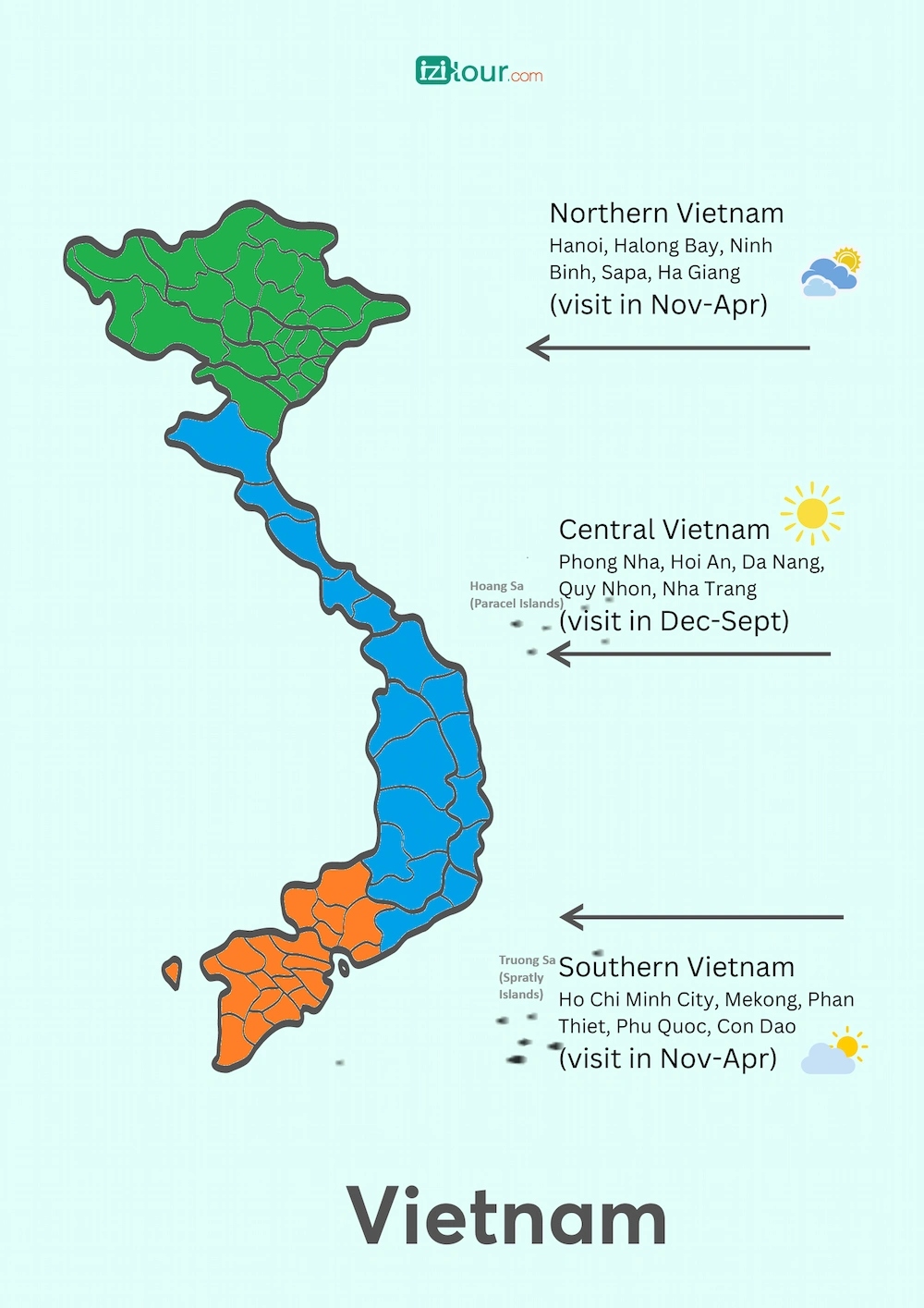
Credit: izitour.com
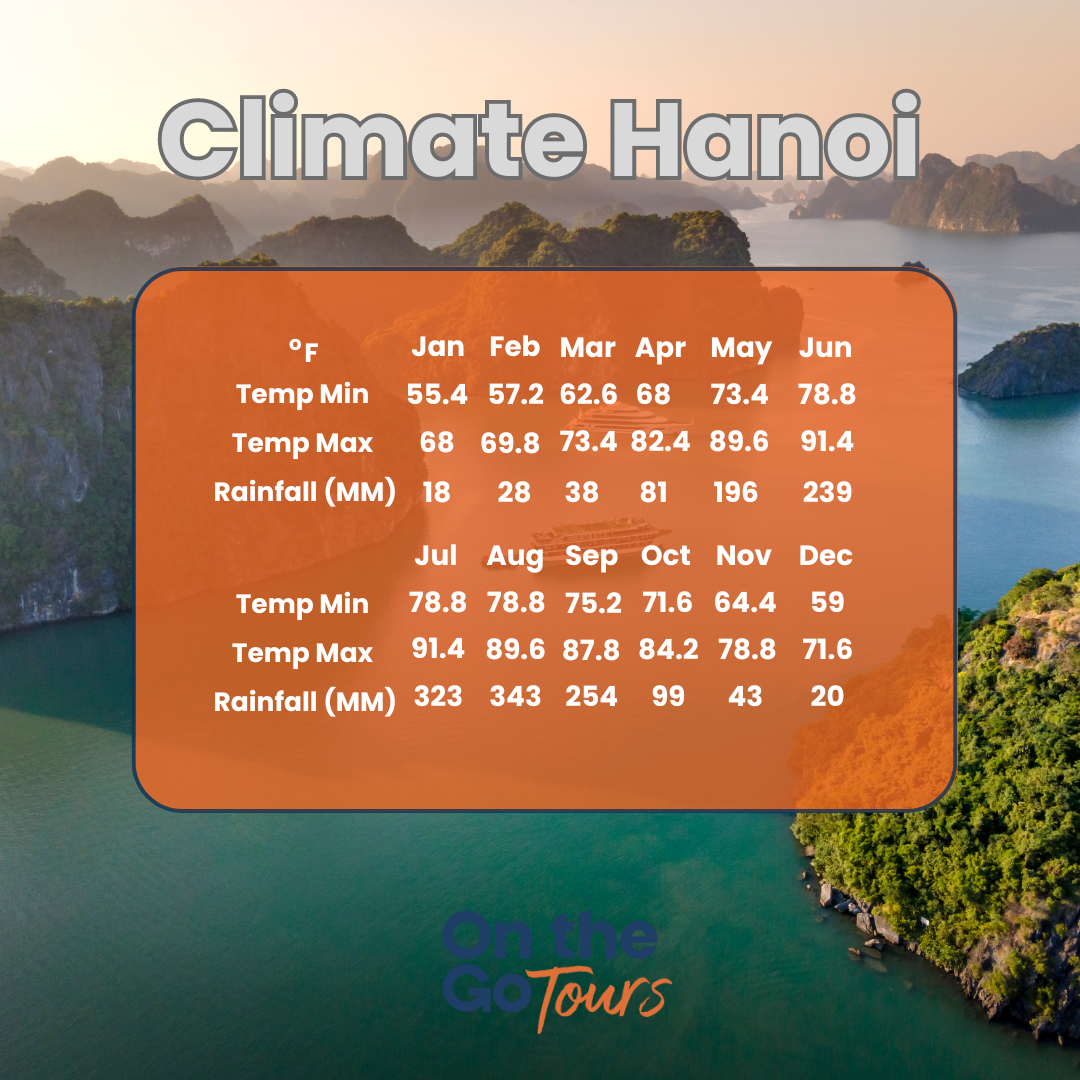
Credit: www.onthegotours.com
Frequently Asked Questions
When Is The Best Time To Visit Vietnam?
The best time to visit Vietnam is from February to April. The weather is mild, dry, and perfect for sightseeing. This period avoids the heavy rains and extreme heat common in other months, making travel comfortable and enjoyable across most regions.
What Months Should I Avoid Visiting Vietnam?
Avoid visiting Vietnam during the rainy season, from July to October. These months bring heavy rains, flooding, and storms, especially in the central and southern regions. Travel plans may be disrupted, and outdoor activities can be limited due to weather conditions.
How Does Vietnam’s Weather Vary By Region?
Northern Vietnam has four distinct seasons, with cold winters and hot summers. Central Vietnam experiences a rainy season from September to November. Southern Vietnam remains warm year-round but has a wet season from May to October. Plan your visit according to regional climate differences.
Can I Visit Vietnam During The Tet Holiday?
Visiting Vietnam during Tet (Lunar New Year) offers unique cultural experiences. However, many businesses close, and transportation can be crowded. Plan ahead and book accommodations early. Tet usually falls between late January and mid-February, making it a festive but busy travel period.
Conclusion
Vietnam offers many travel choices all year round. Dry months bring clear skies and warm days. Rainy seasons can slow plans but also cool the air. Crowds change with the seasons, affecting prices and fun. Pick the time that fits your needs best.
Plan well to enjoy Vietnam’s rich culture and nature. Every season shows a different side of this beautiful country. Your trip will be great with the right timing. Safe travels and enjoy your adventure in Vietnam!