
Introduction
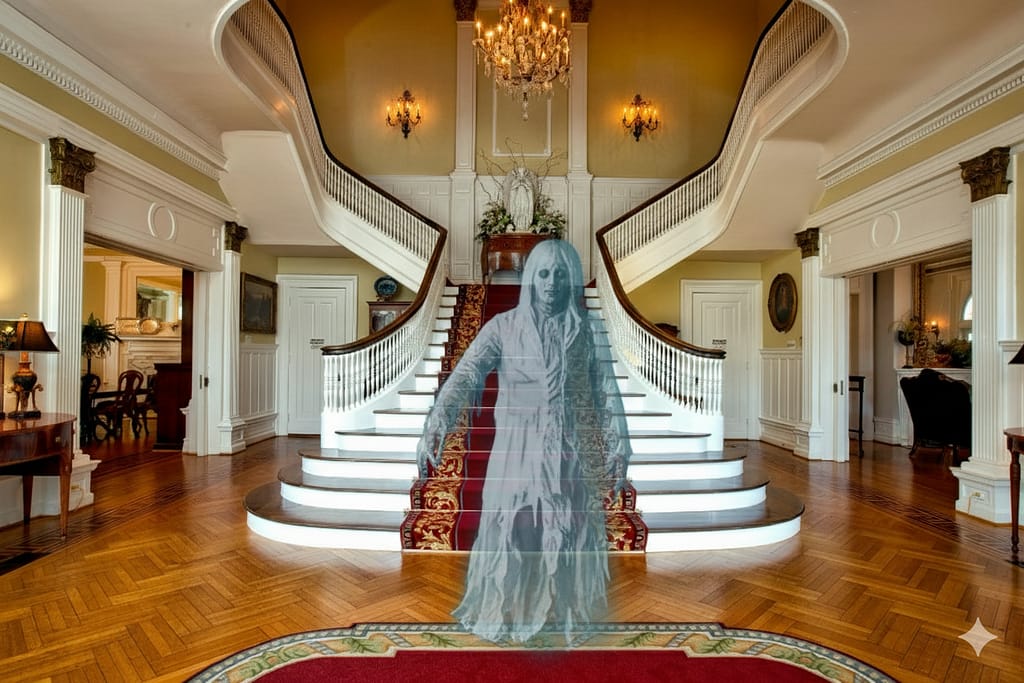
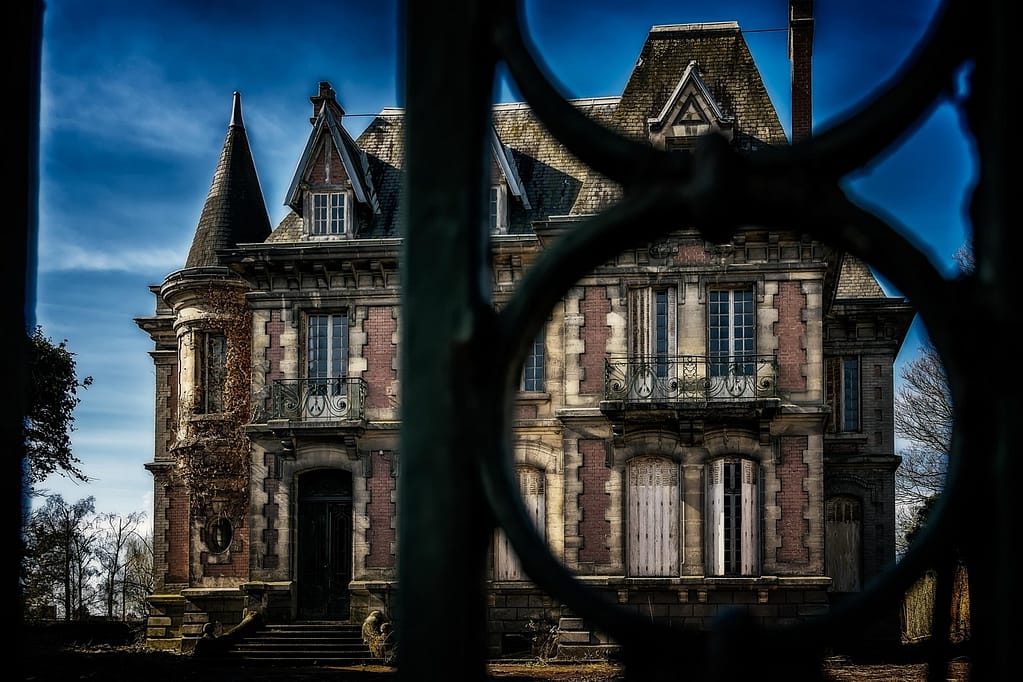
The floorboards creak at 3 AM. A shadow passes your doorway though no one walks the hall. The scent of lavender perfume lingers in a room vacant for decades. Welcome to America’s Most Haunted Hotels—where history refuses to check out.
Paranormal tourism has exploded into a billion-dollar industry, with travelers actively seeking accommodations where the guest list includes more than the living. These aren’t mere tourist traps capitalizing on local legends; they’re historic properties where documented tragedies, authenticated records, and countless eyewitness accounts have created reputations that transcend folklore. Whether you’re a skeptic seeking thrills, a believer hoping for contact, or a history enthusiast drawn to America’s darker chapters, haunted hotels offer a unique intersection of heritage preservation and supernatural intrigue.
This comprehensive guide explores America’s most credible haunted hotels—properties where the paranormal claims are backed by historical events, investigated by professionals, and experienced by guests who arrived as doubters. You’ll discover what makes a haunted destination worth visiting, explore the stories behind America’s most legendary spirit-inhabited properties, and learn how to plan your own paranormal investigation with realistic expectations and proper preparation.
Defining a “Haunted” Destination Worth Visiting
The Criteria: Blending Historical Tragedy with Modern Accessibility
Not every hotel claiming ghostly residents deserves a spot on your paranormal bucket list. The most compelling haunted hotels share specific characteristics that elevate them beyond roadside attractions with fabricated legends.
Historical authenticity forms the foundation. Legitimate haunted hotels possess documented histories involving death, tragedy, or intense emotional events. These aren’t stories invented by marketing departments—they’re verifiable incidents recorded in newspapers, death certificates, hospital records, or historical archives. The Stanley Hotel’s connection to Stephen King isn’t what makes it haunted; rather, its construction history and the people who lived and died there created the atmosphere that inspired The Shining.
Consistent paranormal reports across decades matter significantly. When multiple generations of guests, employees, and investigators report similar phenomena in identical locations—the same room number, the same stairwell, the same time of night—patterns emerge that transcend suggestion or mass hysteria. The Queen Mary’s reputation didn’t develop overnight; it accumulated through thousands of independent encounters over nearly eight decades.
Professional investigation adds credibility. Properties examined by respected paranormal research teams, equipped with electromagnetic field detectors, thermal cameras, and audio recording equipment, carry more weight than those relying solely on anecdotal evidence. Many hotels on our list have been featured on television programs like Ghost Hunters, Ghost Adventures, and Paranormal Lockdown—not as publicity stunts, but as genuine research opportunities.
Preserved historical integrity ensures authenticity. Hotels that maintain period-accurate architecture, décor, and atmosphere provide environments where historical spirits might logically linger. Modern renovations that gut interiors and erase historical character often coincide with decreased paranormal activity, suggesting the connection between place and phenomena runs deeper than simple storytelling.
Accessibility and comfort cannot be overlooked. A truly worthwhile haunted hotel balances supernatural reputation with quality accommodations. You shouldn’t sacrifice safety, cleanliness, or basic amenities for ghost-hunting opportunities. The best paranormal destinations offer both chills and comfort—historic charm with modern conveniences like reliable Wi-Fi, updated bathrooms, and excellent dining options.
Ghost Stories vs. Documented Phenomena: How We Vetted the List
Every region boasts hotels claiming paranormal activity, but distinguishing genuine supernatural hotspots from opportunistic marketing requires rigorous vetting. Our selection process prioritized properties meeting multiple verification standards.
Cross-referenced historical records formed our first filter. We examined death records, newspaper archives, construction histories, and local historical society documentation. The Myrtles Plantation’s reputation, for instance, isn’t built on imagination—parish records confirm multiple deaths on the property, including slaves, family members, and Civil War casualties.
Multiple independent witness accounts spanning different time periods provided crucial validation. Hotels where only recent guests report activity often reflect suggestion or fabrication. Properties where phenomena have been consistently documented since the 1920s, 1950s, and the present day demonstrate enduring patterns that transcend generational storytelling trends.
Professional paranormal investigation results added a scientific perspective. While ghost hunting remains controversial and lacks definitive proof, reputable teams employing consistent methodologies have documented unexplained electromagnetic anomalies, temperature fluctuations, and audio recordings (EVPs or Electronic Voice Phenomena) at these locations. We prioritized hotels investigated by multiple independent teams reporting similar findings.
Staff testimonies carried significant weight. Housekeepers, maintenance workers, and managers who encounter these properties daily—not just during manufactured ghost tours—provide the most credible accounts. When skeptical employees with years of experience report consistent phenomena, their testimonies carry more weight than enthusiastic guests primed for paranormal experiences.
Absence of obvious hoaxes or contradictions eliminated questionable properties. Hotels whose ghost stories contradict historical records, whose “haunted rooms” change based on availability, or whose phenomena conveniently occur only during paid ghost tours didn’t make our list. Authentic haunted hotels don’t need theatrical enhancement; their histories speak for themselves.
The properties featured here survived this rigorous vetting process. They represent America’s most historically significant, consistently documented, and authentically preserved haunted destinations—places where the line between history and haunting blurs in genuinely compelling ways.
The Icons of American Hauntings
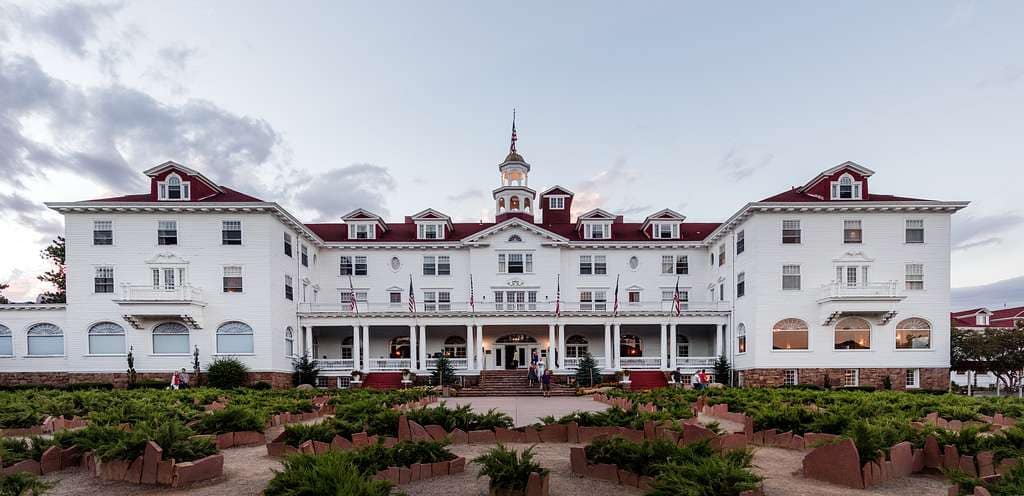
The Stanley Hotel, Estes Park, CO: The Real-Life Overlook and Its Spirited Staff
Perched against the Rocky Mountains at 7,522 feet, the Stanley Hotel’s gleaming white Colonial Revival façade appears almost too pristine to harbor darkness. Yet this 142-room landmark, which opened in 1909, has become synonymous with American ghost lore—not just because Stephen King’s terrifying stay in Room 217 inspired The Shining, but because decades of paranormal activity preceded and followed his visit.
Freelan Oscar Stanley, co-inventor of the Stanley Steamer automobile, built this grand hotel after tuberculosis brought him to Estes Park’s healing mountain air. Stanley and his wife, Flora, poured their fortune and vision into creating a luxurious escape for wealthy tuberculosis patients and tourists. Stanley died in 1940, Flora in 1939—yet according to countless witnesses, neither has checked out.
The paranormal activity at the Stanley occurs throughout the property, with certain locations demonstrating particularly consistent phenomena. Room 217, where King stayed and where head housekeeper Elizabeth Wilson was injured in a 1911 explosion, remains the most requested accommodation. Guests report luggage unpacked mysteriously, lights switching on independently, and the distinct impression of someone sitting on the bed. Wilson, who survived the explosion and worked at the hotel for decades afterward, apparently continues her duties—guests frequently report items rearranged neatly and belongings moved to “proper” places.
The fourth floor, originally servants’ quarters, produces numerous reports of children’s laughter, running footsteps, and balls bouncing down hallways—despite being carpet-covered. Paranormal investigators have captured compelling EVP recordings of children’s voices and documented significant electromagnetic field fluctuations in specific fourth-floor locations.
The Concert Hall hosts perhaps the most romantic haunting. Flora Stanley, an accomplished pianist, has been both seen and heard playing the Steinway grand piano. Multiple witnesses—including skeptical concert attendees—have reported the piano playing itself, particularly pieces from Flora’s era. Night auditors and security personnel have documented these occurrences when the Concert Hall is locked and empty.
The Stanley actively embraces its paranormal reputation without compromising historical integrity. The hotel offers year-round ghost tours, including a five-hour night tour providing access to typically restricted areas. The Stanley also hosts an annual horror film festival and maintains the Stanley Film Center, showcasing The Shining on a continuous loop.
Planning your visit: Book Room 217 or one of the fourth-floor accommodations well in advance—paranormal enthusiasts reserve these rooms months ahead. The hotel remains fully operational as a luxury resort, offering modern amenities, excellent dining at the Cascades Restaurant, and spectacular mountain views alongside its supernatural reputation.
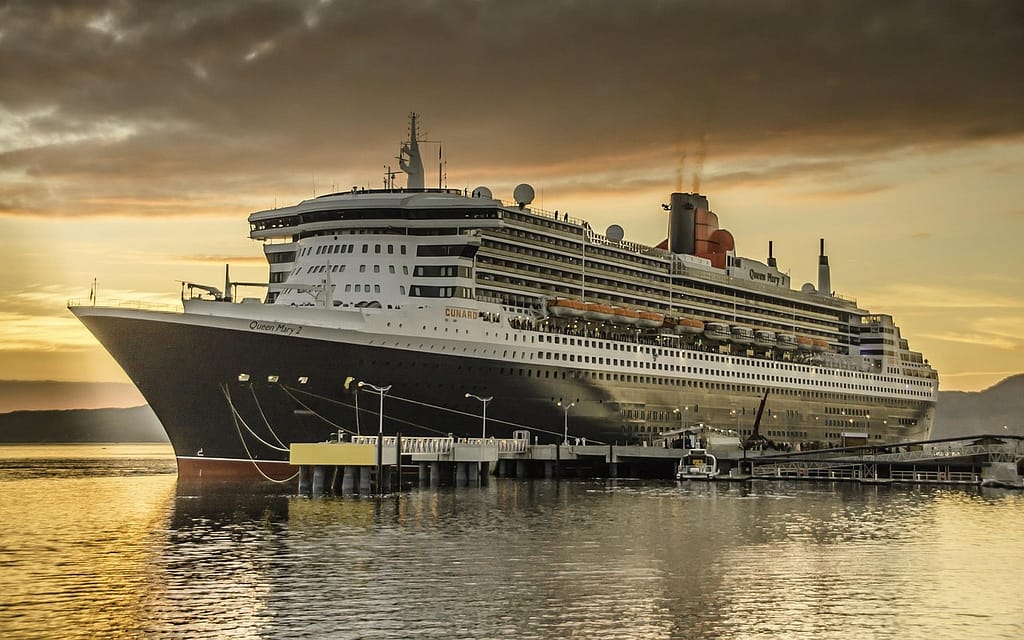
The Queen Mary, Long Beach, CA: A Floating City of Lingering Souls
The RMS Queen Mary represents a unique category of haunted destination—an entire ocean liner transformed into a permanently docked hotel. Launched in 1936, this Cunard White Star liner served as a luxury transatlantic passenger ship before World War II transformed her into a troopship nicknamed “The Grey Ghost.” After returning to civilian service and eventual retirement in 1967, the Queen Mary became a Long Beach landmark and one of America’s most investigated paranormal locations.
The ship’s history provides ample explanation for its supernatural residents. During wartime service, the Queen Mary transported over 800,000 troops—cramped, anxious soldiers heading toward combat. In October 1942, she accidentally sliced through her escort cruiser HMS Curacoa, killing 239 sailors. The Queen Mary sustained only minor damage but couldn’t stop to rescue survivors without risking the 10,000 troops aboard. That tragic collision haunts the ship literally and figuratively.
The most active paranormal locations concentrate in areas associated with death, injury, and intense emotion. The forward storage area, near where the Curacoa collision occurred, produces consistent reports of unexplained knocking sounds corresponding to what survivors might have heard clinging to wreckage. Visitors report overwhelming feelings of cold and dread, sudden nausea, and the impression of being watched by hostile entities.
The engine room remains operational as a tourist attraction but terrifies even skeptical visitors. Multiple deaths occurred here—workers crushed by massive machinery, sailors succumbing to heat exhaustion during tropical crossings, and at least one crewman who fell into the ship’s water softening equipment and was cooked alive. Tour guides refuse to work here alone, and guests frequently experience equipment malfunctions, sudden temperature drops of 10-20 degrees, and aggressive physical sensations, including pushing and scratching.
The first-class swimming pool attracts paranormal investigators worldwide. Closed since the 1960s, the Art Deco pool area remains one of the most haunted locations aboard. Multiple drownings occurred here, and guests consistently report wet footprints appearing on the deck, the sound of splashing when the pool contains no water, and apparitions of women in vintage swimwear. The most famous ghost, “Jackie,” is believed to be a young girl who drowned here—investigators have captured numerous EVPs of a child’s voice saying “Jackie” and recorded unexplained phenomena on both video and still photography.
The staterooms, now converted to hotel accommodations, demonstrate varying activity levels. Room B340, notoriously haunted by violent paranormal phenomena, was taken out of service for decades. The room reportedly witnessed a murder in the 1940s, and subsequent guests experienced physical attacks, belongings hurled across the room, and terrifying apparitions. The Queen Mary recently reopened B340 for particularly brave guests seeking an extreme paranormal experience.
The ship offers multiple paranormal investigation opportunities, including self-guided tours, structured ghost hunts, and overnight stays in historically active areas. The Paranormal Ship Walk provides access to restricted areas typically closed to regular hotel guests.
Planning your visit: The Queen Mary functions as both a hotel and a museum, offering various accommodation options from standard staterooms to suites. Book paranormal packages for guided investigations, or explore independently—the ship’s labyrinthine layout and art deco atmosphere create an unnerving ambiance even without supernatural encounters. Consider visiting during the off-season for fewer crowds and more intimate paranormal experiences.
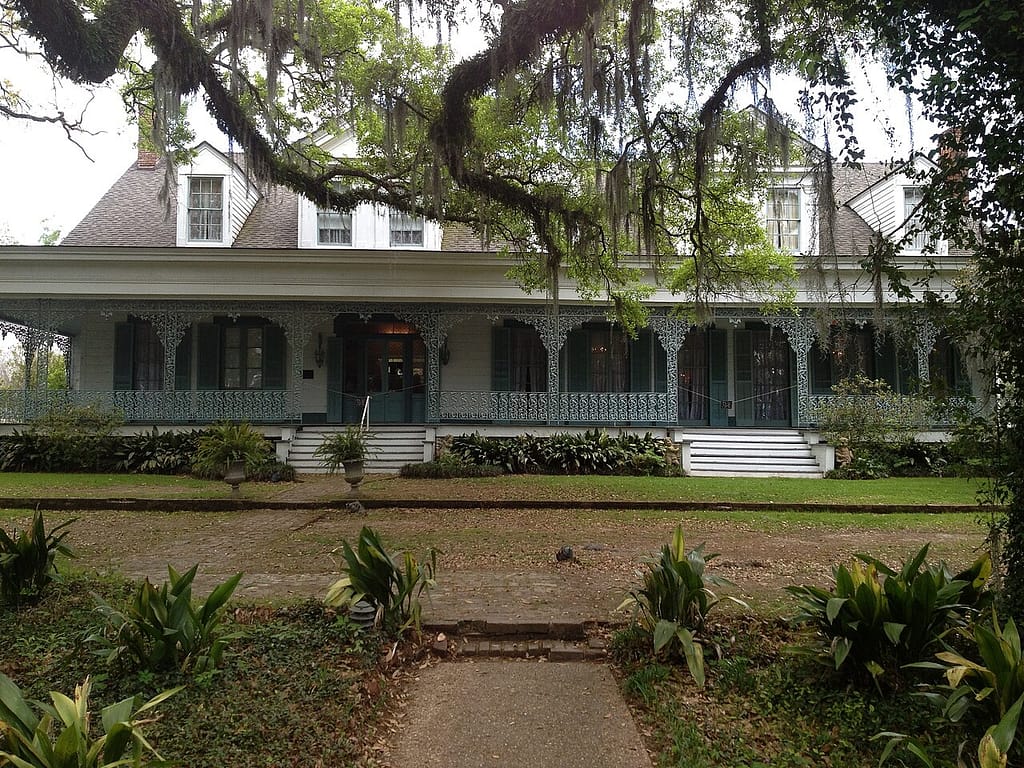
The Myrtles Plantation, St. Francisville, LA: Antebellum Charm and Enduring Curses
The Myrtles Plantation embodies Southern Gothic horror made tangible. Built in 1796 by General David Bradford, this Louisiana plantation home sits on land allegedly built atop a Tunica Indian burial ground—a claim that, while difficult to verify definitively, aligns with the property’s concentration of tragedy and paranormal phenomena.
The plantation’s documented history provides sufficient explanation for hauntings without invoking Native American curses. During its 228-year history, the Myrtles witnessed slavery’s brutalities, multiple murders, yellow fever deaths, and the grinding misery of plantation life for both enslaved people and masters trapped in cycles of violence and paranoia.
The most famous ghost remains Chloe, a slave allegedly owned by Clark Woodruff, who purchased the property in 1817. According to legend, Woodruff punished Chloe for eavesdropping by cutting off her ear. In revenge, she allegedly baked a birthday cake poisoned with oleander leaves, intending to sicken the family so she could nurse them back to health and regain favor. Instead, the poison killed Woodruff’s wife, Sara, and two daughters. Other slaves, fearing collective punishment, hanged Chloe and threw her body into the Mississippi River.
Historical records confirm Sara Woodruff and her daughters died at the Myrtles, lending credibility to the core story even if specific details remain unverified. Visitors consistently report seeing a woman in a green turban—typical headwear for enslaved women—appearing between buildings and vanishing near the site where Chloe allegedly hanged. The plantation’s most famous photograph, taken in the 1990s, appears to show a woman in period clothing standing between buildings when no one was present.
The Myrtles’ mirror adds another legendary haunting. Victorian superstition required covering mirrors when someone died to prevent souls from becoming trapped in the glass. When Sara Woodruff and her daughters died suddenly, household slaves allegedly forgot to cover one mirror. Guests and staff report seeing handprints—including small children’s prints—appearing on the mirror’s surface despite regular cleaning. Photographs of the mirror frequently show anomalies, including unclear figures and unexplained light patterns.
Beyond individual ghosts, the Myrtles demonstrate consistent paranormal activity patterns. The main house, now operating as a bed and breakfast, produces frequent reports of phantom footsteps on the stairs, chandeliers swinging without an air current explanation, and doors opening and closing independently. The Ruffin Sterling room and the William Winter room—both named for previous owners who died violent deaths—generate the most activity reports.
William Winter himself provides one of the plantation’s most dramatic ghostly residents. Shot on the front porch in 1871, Winter staggered inside and attempted to climb the stairs to his bedroom, dying on the 17th step. Staff and guests report hearing heavy footsteps climbing the stairs and stopping at the 17th step, followed by a thud—the sound of a body falling.
The Myrtles offers nightly mystery tours focusing on its haunted history and weekly Friday night ghost hunts, providing paranormal investigation equipment and access to particularly active areas. The property operates as a functioning bed and breakfast, allowing guests to spend entire nights in these historically haunted rooms—an immersive experience far more intense than brief tours.
Planning your visit: Book accommodations well in advance, particularly if targeting the most active rooms. The plantation’s remote location, surrounded by massive live oaks draped in Spanish moss, creates an atmospheric experience even for skeptics. Consider visiting during Louisiana’s cooler months (October-March) for more comfortable ghost hunting and stunning grounds to explore during daylight hours.
Southern Gothic: Civil War Echoes and Gilded Age Ghosts

The Crescent Hotel, Eureka Springs, AR: From Cancer Hospital to “America’s Most Haunted”
The Crescent Hotel’s limestone walls have witnessed a century and a half of Arkansas history—from Gilded Age luxury to medical fraud, from abandonment to restoration. Built in 1886 as a mountaintop resort for wealthy Victorians seeking healing waters and mountain air, the hotel’s five-story Irish castle architecture dominates Eureka Springs’ skyline. Its transition from grand hotel to girls’ conservatory to fraudulent cancer hospital created the tragic circumstances behind its “America’s Most Haunted Hotel” reputation.
Norman Baker, a millionaire inventor and radio personality with no medical training, purchased the property in 1937 and operated the “Baker Hospital”—a cancer “cure” center that preyed on desperate patients. Baker claimed his secret formula could cure cancer; in reality, patients received worthless treatments while paying enormous fees. Many died in the hotel, their final days spent in false hope. Baker’s 1940 conviction for mail fraud closed the facility, but the suffering of his victims allegedly left permanent impressions.
The paranormal activity at the Crescent spans multiple eras. Room 419, the most requested accommodation, belonged to Theodora, an Irish stonemason’s lover who allegedly fell to her death from the fourth floor during the hotel’s construction. Guests report Victorian-era clothing laid out on beds, the impression of someone lying beside them, and distinctive perfume scents. Theodora seems playful rather than malicious—rearranging belongings, appearing in mirrors, and creating cold spots that move through the room.
The second floor, which served as Baker’s morgue, produces the hotel’s most disturbing phenomena. Room 218, the “morgue room,” was where Baker stored bodies awaiting autopsies he wasn’t qualified to perform. Guests report overwhelming despair, nausea, difficulty breathing, and visions of medical equipment. Paranormal investigators document dramatic temperature drops, electromagnetic anomalies, and EVPs pleading for help or crying in pain.
Room 424 hosts “Michael,” a child spirit who died of tuberculosis when the hotel briefly operated as a conservatory. Multiple guests have photographed a young boy in period clothing, and parents report their children playing with an invisible friend who matches Michael’s description. Unlike many child spirits that inspire fear, Michael seems merely lonely—seeking interaction with living guests before fading away.
Norman Baker himself allegedly remains, spotted in his distinctive white linen suit in the hotel’s recreation room and basement corridors. Staff report equipment malfunctions in areas Baker frequented, particularly the garden area where he cultivated plants for his worthless “cures.” His presence feels oppressive—witnesses describe overwhelming anxiety and the sensation of being angrily watched.
The Crescent’s morgue tours, conducted nightly, take guests through basement areas closed during regular operating hours. These underground passages, where Baker stored bodies and conducted experiments, contain original equipment, operating tables, and the tangible remnants of medical fraud that claimed dozens of lives. The atmosphere alone justifies the hotel’s paranormal reputation.
Planning your visit: The Crescent operates as a full-service hotel with modern amenities, excellent dining at the Crystal Dining Room, and a luxurious spa. Book Room 419 for playful Victorian-era phenomena or the more intense Room 218 if you’re seeking challenging encounters. The hotel offers paranormal packages including ghost tours, investigation equipment, and access to restricted areas. Visit during the off-season for better availability and more intimate investigation opportunities.
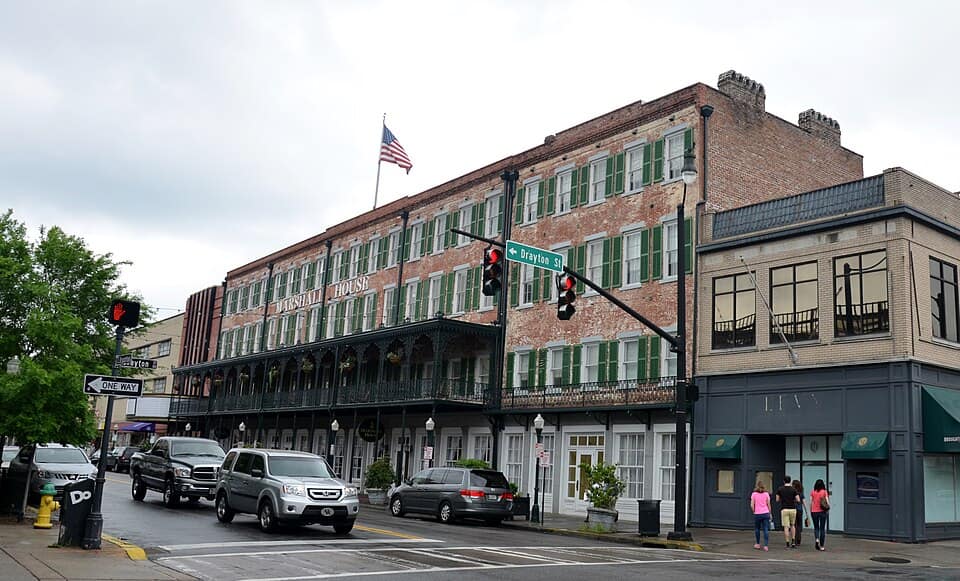
The Marshall House, Savannah, GA: The Unseen Patients of a Former Union Hospital
Savannah’s historic district contains numerous allegedly haunted properties, but the Marshall House’s documented history as a Civil War hospital transforms it from Southern legend to genuine paranormal hotspot. Built in 1851 by Mary Marshall, the hotel initially served travelers before Union forces seized the building in 1864, converting it into a military hospital treating soldiers wounded in the Georgia and South Carolina campaigns.
The Marshall House witnessed suffering on scales modern medicine can scarcely imagine. Surgeons performed amputations without anesthesia, infections killed more soldiers than bullets, and the hotel’s upper floors became fever wards where men died slowly from dysentery, typhoid, and gangrene. The building’s use continued beyond the Civil War—it served as a yellow fever hospital during Savannah’s 1876 epidemic before returning to hotel service.
The hotel’s 1999 restoration uncovered physical evidence supporting paranormal claims. Workers discovered human remains beneath floorboards—arms and legs amputated during Civil War surgeries and concealed rather than properly buried. Historical records confirm Union surgeons often disposed of amputated limbs by burying them in building basements or burning them in furnaces. The discovery of these remains coincided with increased paranormal reports, suggesting disturbed burial sites might intensify spiritual activity.
Room 314 generates the most consistent phenomena. Guests report apparitions of Civil War soldiers in blood-stained uniforms standing at the foot of beds. These figures don’t interact with witnesses—they simply stare, expressions combining pain and confusion, before fading. The room’s bathroom produces reports of running water sounds when plumbing remains off, and mirrors fog inexplicably regardless of room temperature or humidity.
The second floor, which served as the primary surgical ward, demonstrates the most disturbing activity. Multiple guests have reported the metallic smell of blood, the sound of sawing and screaming, and visions of medical equipment that vanishes upon direct observation. Staff members refuse to work alone in certain second-floor areas late at night, citing overwhelming feelings of being watched and touched by unseen hands.
Children’s spirits also inhabit the Marshall House. During yellow fever epidemics, entire families died, and children’s bodies were stored in the building awaiting burial. Guests with children report their kids playing with invisible friends, laughing at someone adults cannot see, and asking about “the sad children” who want to go home.
The hotel embraces its history without exploitation. Historical plaques throughout the property explain the building’s role in Savannah’s medical history, and ghost tours focus on documented events rather than invented legends. The Marshall House partners with reputable paranormal investigation teams, offering structured ghost hunts that balance entertainment with respect for those who suffered within these walls.
Planning your visit: The Marshall House functions as a boutique hotel in Savannah’s historic district, providing modern luxury within authentically preserved 19th-century architecture. Request rooms on the second or third floor for potential paranormal encounters, or book their “Spirited Stays” package including ghost tours and investigation equipment. The hotel’s location puts you within walking distance of Savannah’s other haunted sites, making it an ideal base for paranormal tourism.
West Coast Wraiths: From Hollywood Starlets to Desert Phantoms
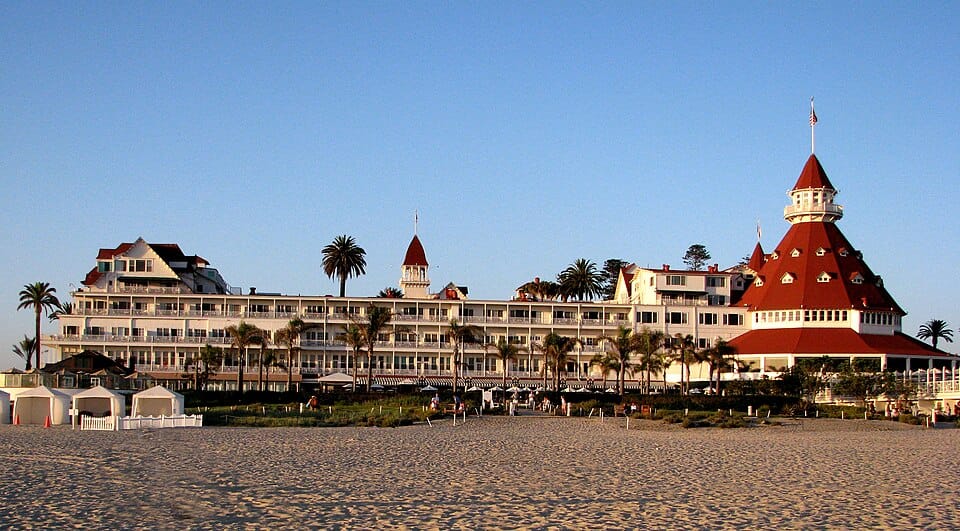
Hotel del Coronado, San Diego, CA: The Beautiful and Melancholy Ghost of Kate Morgan
The Hotel del Coronado’s white Victorian beach resort architecture has graced San Diego’s coastline since 1888, attracting presidents, celebrities, and—according to persistent legend—at least one ghost who refuses to leave. The hotel’s paranormal reputation centers on Kate Morgan, whose mysterious 1892 death transformed her from a forgotten tragedy into one of America’s most famous hotel ghosts.
Kate Morgan checked into the Hotel del Coronado on November 24, 1892, using the name “Lottie Bernard” and claiming her husband would arrive shortly. She spent five days at the hotel, appearing increasingly depressed and agitated. On November 29, hotel staff found her body on the exterior stairs leading to the beach. She had been shot once in the head with a .44 caliber revolver purchased days earlier from a San Diego gun shop. The coroner ruled her death a suicide, though circumstances raised questions never fully answered.
Historical records reveal Kate Morgan’s real identity: a 24-year-old woman traveling with a male companion who abandoned her before reaching San Diego. Some historians believe Kate was pregnant, making her companion’s desertion more devastating. Others suggest she worked as a con artist, and her death was related to criminal activities. The truth died with Kate, but her presence allegedly lingers.
Room 3327 (originally Room 302, renumbered during renovations) has generated paranormal reports since shortly after Kate’s death. Guests describe sudden temperature drops, unexplained breezes in closed rooms, flickering lights despite new electrical systems, and the distinct impression of someone sitting on the bed. Some visitors report seeing a woman in Victorian-era clothing standing at the window, gazing toward the ocean as if waiting for someone who will never arrive.
Kate’s phenomena extend beyond one room. Multiple guests and staff report encountering a sad, beautiful woman in vintage clothing walking the corridors late at night, disappearing when approached. The exterior stairs where her body was discovered—now replaced but in the same location—produce reports of sudden cold spots, the scent of perfume, and the sound of a woman crying.
The hotel has investigated Kate’s ghost story extensively. Paranormal research teams documented electromagnetic anomalies in Room 3327, captured EVPs of a woman’s voice, and photographed unexplained light patterns and shadows. The hotel maintains a delicate balance—acknowledging Kate’s story without sensationalizing tragedy or inventing details for tourist appeal.
Beautiful Kate, as staff affectionately call her, seems more melancholy than frightening. Witnesses describe her presence as lonely rather than threatening—a woman waiting for a reunion that will never occur, trapped by whatever circumstances led to that November night in 1892.
Planning your visit: The Hotel del Coronado operates as a luxury beach resort with multiple restaurants, a spa, and access to Coronado Beach. Room 3327 cannot be specifically requested—the hotel maintains guest privacy by not confirming which rooms correspond to paranormal hotspots. However, rooms in the original Victorian building provide more authentic atmosphere than the modern additions. Visit during the off-season for better rates and fewer crowds, allowing more intimate exploration of the hotel’s historic corridors and beachfront areas where Kate’s spirit reportedly lingers.
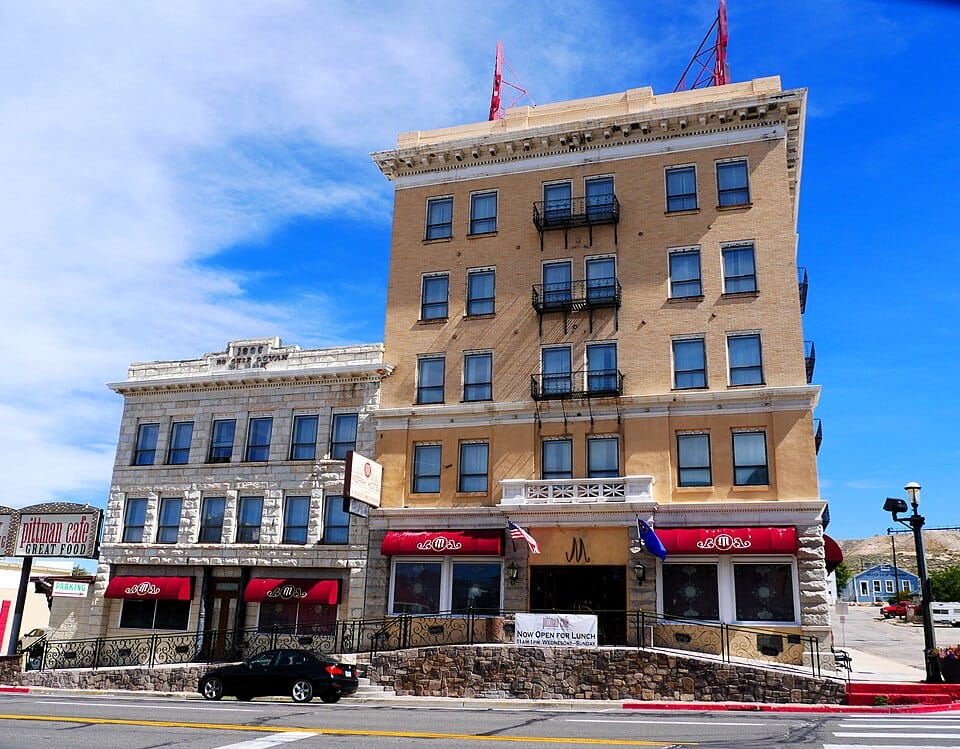
The Mizpah Hotel, Tonopah, NV: The Enduring Legend of the “Lady in Red”
Tonopah, Nevada—population 2,000—seems an unlikely location for one of America’s most haunted hotels. Yet the Mizpah Hotel’s isolation, silver mining boom history, and tragic deaths created a paranormal hotspot in the middle of the Nevada desert. Built in 1907 during Tonopah’s silver rush, the five-story Mizpah was Nevada’s tallest building outside Reno, representing mining boom prosperity and frontier luxury.
The hotel’s name comes from a Hebrew word meaning “watchtower” or “lookout point”—appropriate for a building dominating a mining town where fortunes appeared and vanished overnight. The Mizpah hosted miners who struck it rich, prostitutes servicing the boomtown, gamblers, and desperate prospectors who found only dust. As Tonopah’s silver played out, the hotel declined, closing in 1999 and remaining abandoned until a $10 million restoration reopened it in 2011.
The Lady in Red dominates Mizpah paranormal lore. According to legend, a prostitute named Rose (or Pearl, depending on the version) worked at the Mizpah during the mining boom. She developed feelings for a client who either rejected her advances or ended their relationship. In a jealous rage, Rose’s former lover or pimp strangled her on the fifth floor, disposing of her body in the hotel or the desert outside Tonopah.
Historical verification of this story remains elusive—no murder matching this description appears in Nye County records. However, the absence of official documentation doesn’t necessarily invalidate the legend. Prostitutes in mining towns existed in legal gray areas, and their deaths might not have generated formal investigations. Whether Rose existed or represents composite memories of multiple tragedies, her presence manifests consistently.
Guests report encounters with a woman in a red dress on the fifth floor, particularly near Room 502. She appears suddenly in hallways, makes eye contact with witnesses, and vanishes when they blink or turn away. Some visitors report the scent of strong perfume, the sensation of being watched, and—most disconcertingly—being touched by invisible hands. Male guests report more intense encounters, with some claiming the Lady in Red sat on their beds, whispered in their ears, or appeared in their bathroom mirrors.
The Lady in Red demonstrates jealous or possessive behavior. Couples staying in potentially haunted rooms report arguments that begin without clear cause, sudden mood shifts from romantic to hostile, and the sensation of a third presence in their room. Some guests report belongings moved, particularly women’s jewelry and clothing, as though someone rummaged through their possessions.
Beyond the Lady in Red, the Mizpah hosts other paranormal residents. The elevator allegedly operates independently, traveling to the fifth floor without being summoned. The Jack Dempsey Room, named for the boxer who supposedly stayed at the hotel, produces reports of aggressive male energy—guests describe feeling threatened, experiencing sleep paralysis, and hearing angry voices in empty rooms.
The Mizpah’s isolation intensifies paranormal experiences. Unlike urban hotels, where ambient noise and activity provide distraction, Tonopah’s desert silence makes every creak, footstep, and unexplained sound more noticeable. The hotel’s distance from major cities creates an atmosphere of isolation that enhances both fear and the potential for genuine unexplained phenomena.
Planning your visit: The Mizpah operates as Tonopah’s primary lodging, offering restored period rooms with modern amenities. Request a fifth-floor room for the most intense potential encounters with the Lady in Red, or choose lower floors if you prefer a more restful experience. The hotel’s Pittman Café serves excellent food, and the Mizpah Club bar maintains its historic frontier saloon atmosphere. Tonopah’s location between Las Vegas and Reno makes it an ideal overnight stop for travelers exploring Nevada’s haunted sites and historic mining districts.
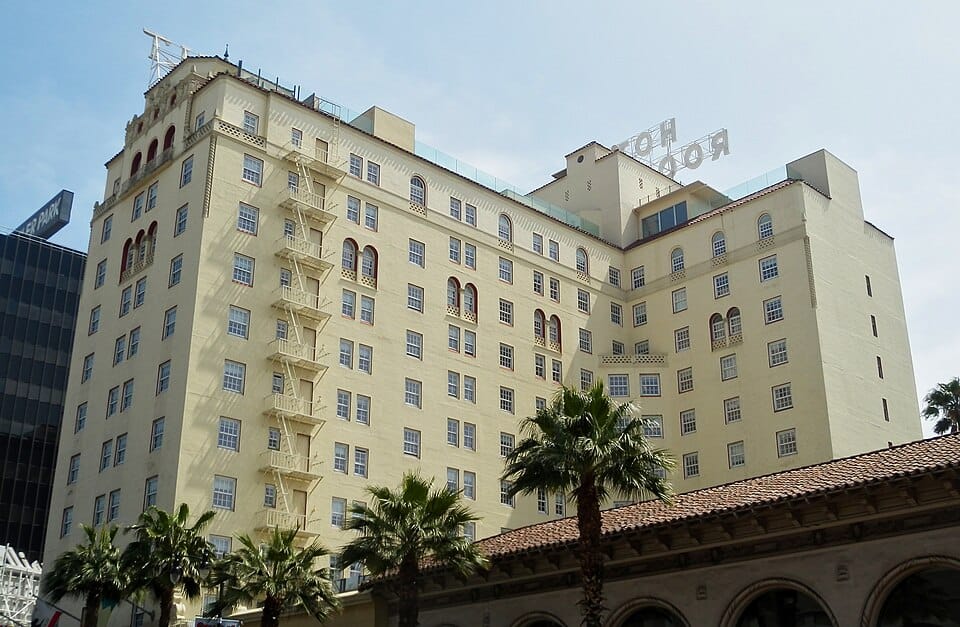
The Hollywood Roosevelt, Los Angeles, CA: Where a Star-Studded Afterlife Party Never Ends
The Hollywood Roosevelt opened in 1927 on Hollywood Boulevard, immediately becoming the film industry’s unofficial headquarters. The Spanish Colonial Revival hotel hosted the first Academy Awards ceremony in 1929 and served as a temporary home to movie stars, directors, and studio executives during Hollywood’s Golden Age. That glamorous history came with tragedy—suicides, overdoses, broken careers, and the grinding pressure of fame that destroyed as many stars as it created.
Marilyn Monroe provides the Roosevelts’ most famous haunting. The actress lived at the hotel for two years early in her career, posing for her first magazine advertisement beside the Roosevelt’s pool. According to numerous witnesses, Monroe’s spirit lingers near a full-length mirror that once hung in her suite, now relocated to the lobby near the elevators. Guests and staff report seeing Monroe’s reflection in the mirror—not their own reflection, but the actress as she appeared in the 1950s, wearing vintage clothing and platinum blonde hair styled in her signature waves.
The mirror phenomena include more than visual sightings. Witnesses report the glass fogging without explanation, handprints appearing on its surface, and an overwhelming sensation of being watched when standing before it. Some guests claim Monroe’s reflection waves or smiles before vanishing. Skeptics suggest these sightings result from suggestion—guests expecting to see Monroe interpret ambiguous reflections as paranormal confirmation. However, reports from staff members unfamiliar with the legend suggest something beyond mass hysteria.
Montgomery Clift’s ghost haunts Room 928, where the actor lived for three months during filming of From Here to Eternity (1953). Staff and guests report hearing trumpet music, pacing footsteps, and phone calls from the room when it’s unoccupied. Clift struggled with alcoholism and prescription drug addiction, suffering a career-altering car accident that disfigured his face and led to increased substance abuse. His presence at the Roosevelt feels melancholy—witnesses describe overwhelming sadness rather than fear, as though Clift’s spirit remains trapped in one of his final happy periods before addiction destroyed his career.
The Roosevelt’s Blossom Ballroom, which hosted the first Academy Awards, produces paranormal phenomena related to Hollywood’s early days. Guests report seeing formally dressed figures from the 1920s and 1930s dancing to music no one else hears. Cold spots appear in specific ballroom locations, and photographs frequently capture orbs, light anomalies, and unexplained figures in vintage clothing.
Carole Lombard, the actress killed in a 1942 plane crash, allegedly appears in the Spare Room, the hotel’s bowling alley and lounge. Witnesses report seeing a blonde woman in 1940s evening wear watching games before disappearing. Lombard’s death at age 33 during a war bond tour made her one of Hollywood’s most mourned casualties—her continued presence at locations she enjoyed during life suggests particularly strong emotional attachments might create lasting impressions.
The Roosevelt embraces its haunted reputation while operating as a trendy boutique hotel. The Spare Room attracts Hollywood’s current elite, the pool area hosts fashionable parties, and the hotel’s bars and restaurants remain celebrity hangouts. This combination of glamorous past and vibrant present creates unique paranormal tourism—you might encounter ghosts and living celebrities during the same visit.
Planning your visit: The Roosevelt’s prime Hollywood Boulevard location provides walking access to the Chinese Theatre, the Walk of Fame, and other entertainment industry landmarks. Book Room 928 for Montgomery Clift encounters, or request poolside accommodations for Marilyn Monroe’s territory. The hotel hosts frequent special events, so check their calendar for Halloween activities or classic film screenings. Be prepared for higher rates—the Roosevelt’s Hollywood cachet commands premium pricing, but the combination of luxury accommodations, celebrity atmosphere, and genuine paranormal reputation justifies the investment for enthusiasts.
Planning Your Paranormal Investigation
How to Book a Haunted Room: Tips for Requesting the Most Active Suites
Securing accommodations in genuinely haunted rooms requires more strategy than standard hotel bookings. Popular paranormal destinations face heavy demand for specific rooms, with some properties maintaining waiting lists extending months or even years.
Book far in advance—six months to a year for peak season at properties like the Stanley Hotel or the Queen Mary. Paranormal tourism peaks around Halloween, with October bookings filling up to 18 months early. Consider visiting during shoulder seasons (February-April or September) for better availability, lower rates, and fewer crowds that might interfere with paranormal experiences.
Call directly rather than booking online. While websites allow general reservations, speaking with hotel staff enables more specific requests. Explain your interest in paranormal activity without demanding guarantees—frame your request as “I’m interested in the hotel’s history and would appreciate a room where other guests have reported unusual experiences.” Most properties maintain lists of their most active rooms and will accommodate genuine paranormal tourists when possible.
Ask strategic questions that demonstrate knowledge rather than appearing as casual thrill-seekers. Inquire about the hotel’s history, whether they offer ghost tours or paranormal packages, and if they work with professional investigation teams. Staff members distinguish between serious ghost hunters and drunk college students seeking party stories—professionalism increases your chances of receiving prime haunted accommodations.
Consider multi-night stays. Hotels more readily assign paranormal active rooms to guests staying several nights. Single-night bookings might not justify inconveniencing regular guests who prefer quiet rooms far from reported activity. A three-night stay demonstrates serious interest and provides multiple opportunities for experiences that might not occur on any single night.
Join loyalty programs or book paranormal packages. Many haunted hotels offer ghost-hunting packages, including extended access, investigation equipment, and guaranteed placement in active rooms. These packages cost more than standard bookings but provide exclusive experiences unavailable to regular guests.
Be flexible with room assignments. If your preferred room is unavailable, ask the staff to note your interest in paranormal activity when assigning your accommodation. Many hotels have multiple haunted rooms—you might miss your first choice, but still receive compelling alternatives.
Respect privacy and safety concerns. Some hotels decline to confirm specific room numbers for haunted accommodations, protecting both guest privacy and managing expectations. If staff won’t specify exact rooms, accept their discretion gracefully—pushy guests are less likely to receive consideration.
Ghost Hunting 101: Essential Gear and On-Site Etiquette for Amateurs
Professional paranormal investigators employ sophisticated equipment, but amateur ghost hunters can conduct meaningful investigations with modest gear and respectful approaches.
Essential equipment for beginners includes:
Digital voice recorders for capturing EVPs (Electronic Voice Phenomena). Use devices with external microphones for better audio quality, and record in quiet locations to minimize ambient noise contamination. Ask clear questions, leave 15-20 seconds for responses, and review recordings with headphones to detect subtle voices or sounds.
EMF detectors (electromagnetic field meters) identify fluctuations in electromagnetic energy that some researchers correlate with paranormal activity. Basic models cost $30-50 and detect changes in electromagnetic fields from appliances, wiring, or, allegedly, spiritual entities
Temperature guns (infrared thermometers) document cold spots—sudden localized temperature drops associated with paranormal phenomena. Quality models cost $20-40 and provide instant readings. Document baseline room temperature, then systematically scan for variations of 10+ degrees, which might indicate anomalous activity.
Cameras and video equipment for documenting visual phenomena. Modern smartphones suffice for beginners—they capture both still photos and video in low light. Take systematic photographs throughout your investigation area, including shots of empty spaces where you sense unusual energy. Review images carefully for orbs, shadows, or figures invisible to the naked eye during shooting.
Flashlights and backup lighting remain essential for safety and investigation. Bring multiple light sources with fresh batteries—paranormal activity allegedly drains battery power, and you’ll need reliable illumination in dark corridors and basements.
Investigation notebooks for documenting experiences in real-time. Record times, locations, environmental conditions, and detailed descriptions of any phenomena. These contemporaneous notes provide valuable data when reviewing evidence later and help distinguish genuine experiences from imagination or suggestion.
Optional advanced equipment includes full-spectrum cameras (capturing light beyond the visible spectrum), spirit boxes (devices that rapidly scan radio frequencies, allegedly allowing spirits to communicate), and motion sensors. However, these specialized tools require training to operate effectively and interpret results accurately.
Investigation etiquette matters as much as equipment:
Respect the property and other guests. Haunted hotels remain functioning businesses. Keep noise levels reasonable, avoid investigating in public areas during peak hours, and never enter restricted spaces without permission. Your paranormal investigation shouldn’t disturb paying guests seeking normal accommodations.
Request permission before investigating. Some hotels designate specific times for ghost hunting or restrict certain areas. Ask staff about investigation guidelines—many properties allow overnight investigations in your assigned room, but prohibit wandering hallways or exploring maintenance areas without supervision.
Approach investigations with scientific skepticism. Document environmental explanations before claiming paranormal activity. That mysterious cold spot might result from air conditioning vents, and those footsteps might be pipes expanding. Legitimate paranormal research requires eliminating natural explanations before considering supernatural ones.
Show respect for alleged spirits. Whether you believe in ghosts or not, the stories behind hauntings involve real human tragedies. Avoid taunting spirits, using provocative language, or treating the investigation like entertainment. Many paranormal researchers believe respectful communication increases positive interactions while antagonistic approaches attract negative or violent responses.
Never investigate alone. Bring at least one companion for both safety and credible documentation. Multiple witnesses provide verification for experiences that might otherwise seem like imagination, and partnerships ensure someone can seek help if emergencies occur.
Understand consent and boundaries. If you feel threatened, experience physical symptoms like nausea or panic, or sense you’re unwelcome, stop investigating. Not all paranormal encounters are benign, and respecting your own limits is crucial. Some locations have reputations for aggressive activity—know your comfort level before entering notoriously intense areas.
Document systematically. Create investigation logs noting date, time, location, equipment used, environmental conditions (temperature, humidity, weather), people present, and any phenomena observed. This data helps identify patterns across multiple investigations and provides context when reviewing audio recordings or photographs later.
Review evidence carefully before drawing conclusions. Most EVPs prove inaudible upon review, most photographs show dust particles rather than orbs, and most temperature fluctuations have mundane explanations. Paranormal research requires patience and a willingness to acknowledge that most investigations produce no compelling evidence, which makes genuine phenomena more significant when documented.
Share findings responsibly. If you capture interesting evidence, avoid making exaggerated claims or presenting ambiguous data as definitive proof. The paranormal research community values honest, measured reporting over sensationalism. Post findings to appropriate forums or social media groups where experienced investigators can provide feedback and alternative interpretations.
Managing Expectations: Separating Paranormal Possibility from Hollywood Fiction
The gap between paranormal tourism expectations and reality disappoints many first-time ghost hunters. Managing expectations helps you appreciate subtle experiences while avoiding the disillusionment that comes from anticipating Hollywood-style hauntings.
Understand that most investigations produce no obvious results. Professional paranormal investigators spend hundreds of hours documenting locations, with only occasional compelling evidence captured. You might spend an entire weekend in a notoriously haunted hotel and experience nothing unusual. This doesn’t invalidate the hotel’s reputation—it reflects paranormal phenomena’s unpredictable, intermittent nature.
Recognize that authentic experiences rarely resemble movies. Full-body apparitions are exceptionally rare. Furniture doesn’t fly across rooms, voices don’t emerge from walls speaking complete sentences, and possessions don’t occur. Real paranormal phenomena, when they occur, manifest subtly: unexplained sounds, temperature changes, feelings of being watched, or brief glimpses of shadows. These subtle experiences can be profound for those experiencing them, but might seem anticlimactic compared to horror film expectations.
Consider psychological factors. Old buildings creak. Pipes make noise. Drafts create cold spots. Your mind’s pattern-recognition systems interpret ambiguous stimuli as faces, figures, or meaningful sounds. Fatigue, suggestion, and atmospheric tension amplify these natural tendencies. Acknowledging psychological explanations doesn’t require dismissing paranormal possibilities—it means approaching experiences with a balanced perspective.
Environmental factors influence experiences significantly. Investigation success rates seem to correlate with atmospheric conditions—paranormal researchers report increased activity during electromagnetic storms, specific lunar phases, and seasonal transitions. Your timing might simply be wrong, regardless of location authenticity.
Personal factors matter. Some paranormal researchers believe certain individuals are more sensitive to spiritual energy. Whether this reflects genuine psychic ability or simply heightened observational skills and intuition, your own receptiveness might influence your experience. Approach investigations with open but critical mindset—neither demanding phenomena nor dismissing subtle impressions.
“Active” rooms don’t guarantee experiences. Hotels can identify rooms with frequent paranormal reports, but activity isn’t constant. The same room that generated compelling phenomena for one guest might produce nothing unusual for the next. This inconsistency frustrates some visitors but also argues against fraud—if hotels manufactured paranormal experiences, they’d presumably ensure consistent results for paying guests.
Group dynamics influence investigations. Large tour groups generate noise, excitement, and suggestions that can both enhance and contaminate experiences. Intimate investigations with one or two trusted companions often produce better results than crowded tours, where distinguishing genuine phenomena from group psychology becomes impossible.
Historical context enriches experiences. Learning the detailed histories of haunted locations—the specific people who died, the circumstances of their deaths, the building’s evolution over decades—transforms paranormal tourism from cheap thrills into meaningful historical engagement. Whether spirits genuinely linger or not, you’re connecting with real human stories of tragedy, loss, and unfinished business.
Physical and emotional preparedness matters. Paranormal investigation can be physically demanding—standing for hours in dark, uncomfortable spaces, staying awake through the night, enduring temperature extremes in unheated basements or attics. Emotional demands can be equally challenging—confronting mortality, processing fear, and maintaining mental equilibrium in genuinely unsettling environments. Prepare accordingly with comfortable clothing, snacks, hydration, and awareness of your psychological limits.
Success metrics vary. Some investigators prioritize capturing measurable data—EVPs, photographs, EMF readings. Others value personal experiences—sensing presences, feeling emotional impressions, or experiencing intuitive knowledge about locations or spirits. Define what a successful investigation means to you before starting. A weekend without photographs or recordings might still provide meaningful experiences if you connect emotionally with the location’s history.
Respect different belief systems. Paranormal tourism attracts diverse participants—religious believers seeking confirmation of the afterlife, scientific skeptics investigating claims, spiritual practitioners connecting with energies, and entertainment-seekers wanting thrills. Respectful investigation accommodates all perspectives without demanding consensus. Your disbelief doesn’t invalidate others’ experiences, and their convictions don’t require your acceptance.
Final Thoughts: Where History and Mystery Intersect
America’s haunted hotels represent more than mere tourist attractions capitalizing on ghost stories. They’re historical preservation projects, maintained and accessible because paranormal reputations generate revenue supporting the expensive upkeep of aging properties. The Stanley Hotel’s restoration, the Queen Mary’s continued operation, and the Mizpah’s rescue from abandonment all benefited from ghost tourism economics.
These properties connect us with America’s past in visceral, immediate ways. Walking the Crescent Hotel’s basement corridors, where Norman Baker’s victims suffer, makes his fraud more tangible than any textbook. Standing in the Marshall House room where Civil War surgeons amputated limbs without anesthesia creates an understanding no documentary can match. Whether paranormal phenomena exist or not, haunted hotels preserve and present history through stories that engage modern audiences.
The question of whether ghosts genuinely exist remains unanswered—and perhaps unanswerable with current scientific methodologies. But the experiences people have in these locations, the documented phenomena that defy easy explanation, and the consistent patterns emerging across decades of reports suggest something worthy of investigation occurs in certain historic properties.
Approach haunted hotels with open curiosity balanced by critical thinking. Expect to encounter history first and paranormal phenomena second. Value the experience of staying in buildings where significant events occurred, regardless of whether supernatural residents manifest. And if you do experience something unexplainable—a cold hand on your shoulder in an empty room, a voice whispering your name in the darkness, or a Victorian woman in the mirror who vanishes when you turn—you’ll have joined the countless witnesses whose encounters keep these stories alive.
Ready to book your paranormal adventure? Start planning your visit to one of America’s authentically haunted hotels today. Whether you’re seeking gentle encounters with playful Victorian spirits or intense investigations in former morgues and hospitals, these historic properties offer experiences you’ll never forget—and memories that might just follow you home.
Research your chosen destination thoroughly, book well in advance for prime accommodations, pack appropriate investigation equipment, and prepare yourself mentally for whatever you might encounter. Most importantly, approach your experience with respect for both the history and the spirits who allegedly remain. Your paranormal journey awaits—where will the darkness lead you?
Have you stayed at a haunted hotel? Share your experiences in the comments! What phenomena did you encounter, and which property tops your paranormal bucket list? Let’s compare notes and recommendations for America’s most spine-chilling accommodations.